It was a Thursday night, and I had just finished a marathon of cooking shows, each promising the ultimate spring roll. The kitchen smelled like a battleground: sizzling oil, the faint tang of soy, and the occasional pop of a garlic clove. I stared at the flimsy rice paper wrappers on the counter, feeling a mixture of excitement and dread. The last time I tried to roll these, I ended up with a soggy mess that looked more like a collapsed burrito than a crisp bite. That disaster sparked a dare from my friend: “I’ll make the best spring rolls you’ve ever had, and you’ll have to taste them.”
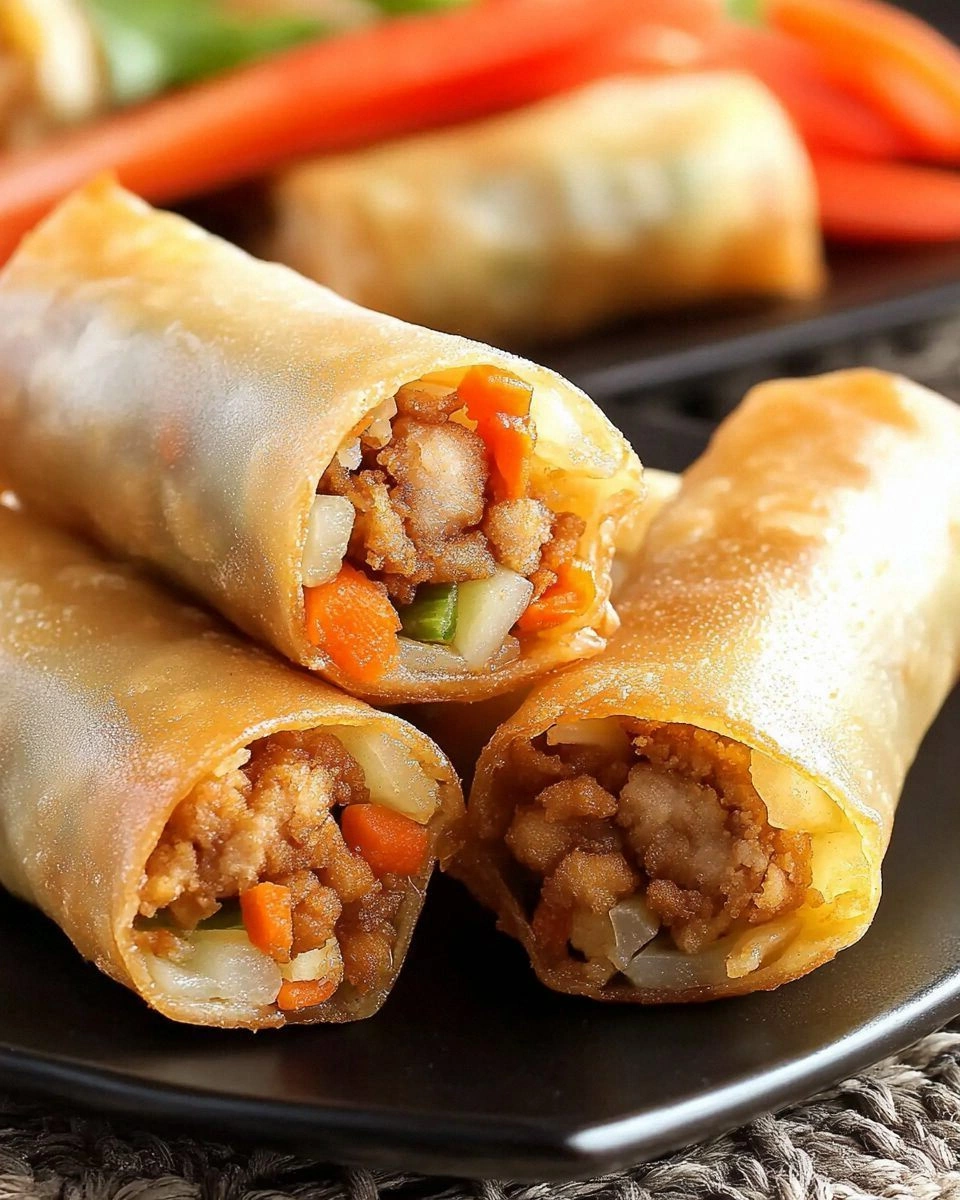
Picture this: a golden, crackling edge that shatters like thin ice, a tender chicken center that melts in your mouth, and a burst of fresh crunch from carrots and cabbage. The aroma is a savory bouquet of ginger, garlic, and a whisper of sesame oil that lingers in the air. Every bite is a layered experience—sweet, salty, umami, and a hint of heat that lingers just long enough to keep you coming back for more. The texture is a harmonious dance between the delicate wrapper and the hearty filling, each component playing its part like instruments in a well-tuned orchestra. And the best part? I found a technique that turns ordinary rice paper into a silky, almost translucent canvas that holds the filling without tearing.
This isn’t just another take on a classic; it’s a reimagining that balances authenticity with a modern twist. I’ve trimmed the recipe to make it accessible for beginners while keeping the flavors authentic. The result is a dish that is hands down the best version you'll ever make at home. It’s a crowd‑pleaser that will make your friends gasp in disbelief, and it’s simple enough to fit into a busy weeknight. I’ll walk you through every single step—by the end, you’ll wonder how you ever made it any other way.
The secret? A small but powerful addition: a splash of rice vinegar in the filling mixture. This tiny tweak elevates the flavor profile, giving the rolls a bright, almost citrusy lift that cuts through the richness of the chicken and the depth of the sauce. I dare you to taste this and not go back for seconds. If you’ve ever struggled with getting the wrapper to stay intact, you’re not alone—and I’ve got the fix. Let’s dive in.
What Makes This Version Stand Out
- Flavor: The combination of hoisin, soy, and a dash of rice vinegar creates a complex umami base that sings with every bite.
- Crispness: A quick blast in hot oil gives the wrapper a crunch that’s both satisfying and indulgent, without compromising the delicate texture.
- Ease: The recipe uses pantry staples and a few fresh ingredients, making it a breeze for any kitchen.
- Versatility: Swap the chicken for shrimp, tofu, or pork and you’ve got a new dish entirely.
- Make‑Ahead: The filling can be prepped a day ahead, and the rolls hold up in the fridge for up to 48 hours.
- Nutrition: Balanced macros—protein, carbs, and healthy fats—make this a well‑rounded appetizer or light meal.
- Presentation: The vibrant colors of carrots, cabbage, and bean sprouts make each roll a visual feast.
- Time: Prep takes 15 minutes and cooking 30 minutes, so you’re in and out of the kitchen quickly.
Alright, let's break down exactly what goes into this masterpiece...
Inside the Ingredient List
The Flavor Base
Soy sauce, hoisin sauce, and a splash of rice vinegar form the backbone of our filling. The soy sauce provides depth and saltiness, while hoisin adds sweetness and a hint of spice. The vinegar lifts the flavors, giving the dish a bright, almost citrusy edge that cuts through the richness of the chicken. Skipping any of these would leave the filling flat and uninspired. For a low‑sodium alternative, use a reduced‑sodium soy sauce and increase the vinegar slightly to maintain balance.
The Texture Crew
Carrots, cabbage, bean sprouts, and vermicelli create layers of crunch and chew. The carrots add a sweet, earthy bite, while the cabbage offers a crisp, slightly peppery note. Bean sprouts bring a fresh, watery crunch that contrasts nicely with the denser veggies. Vermicelli noodles introduce a subtle chew that holds the filling together. If you’re allergic to gluten, swap the vermicelli for rice noodles or omit it entirely without compromising the structure.
The Unexpected Star
Fresh ginger and garlic infuse the filling with aromatic warmth. Ginger adds a peppery kick that keeps the dish from feeling too heavy, while garlic provides a savory depth that complements the sweetness of hoisin. Together they form a fragrant base that permeates every roll. If you’re looking for a milder version, reduce the amount of ginger or use roasted garlic for a sweeter profile. Remember, fresh is always better—store the ginger in a paper towel to keep it crisp.
The Final Flourish
Sesame oil, scallions, and chili flakes add finishing touches that elevate the dish from good to unforgettable. Sesame oil brings a nutty aroma and a glossy sheen to the filling, while scallions provide a fresh, oniony brightness. Chili flakes give a subtle heat that lingers on the palate, making each bite exciting. If you’re heat‑averse, simply omit the chili flakes or use a pinch of cayenne pepper for a milder kick. The combination of these elements turns a simple roll into a culinary masterpiece.
Everything's prepped? Good. Let's get into the real action...
The Method — Step by Step
- Begin by cutting the chicken breast into thin, bite‑sized strips. Season the strips with a pinch of salt and pepper, then sauté them in a hot skillet with a splash of sesame oil until they’re just cooked through. This quick sear locks in juices, preventing the filling from becoming dry. Once done, set the chicken aside to cool.
- While the chicken rests, julienne the carrots and shred the cabbage. Rinse the bean sprouts under cold water and pat them dry with a paper towel. The goal is to keep them crisp; any excess moisture will make the rolls soggy.
- In a large bowl, combine the soy sauce, hoisin sauce, rice vinegar, minced garlic, grated ginger, and a splash of sesame oil. Whisk until the mixture is smooth and the flavors meld. This sauce will coat the chicken and vegetables, creating a cohesive filling.
- Add the cooked chicken, carrots, cabbage, bean sprouts, and vermicelli to the sauce. Toss gently until everything is evenly coated. The mixture should feel moist but not drenched. Let it sit for 5 minutes to allow the flavors to marry.
- Prepare a shallow dish of warm water for dipping the rice paper wrappers. Place a wrapper on a clean, damp surface. The wrapper should be pliable yet sturdy enough to hold the filling.
- Spread a thin layer of the filling across the center of the wrapper, leaving a border of about an inch on all sides. The filling should be snug but not overloaded; otherwise, the wrapper may tear. Add a sprinkle of scallions and a pinch of chili flakes for extra flavor.
- Fold the sides of the wrapper inward, then roll tightly from the bottom, ensuring the filling stays inside. Seal the edge with a dab of water to keep it closed. The roll should be firm enough to hold its shape but still tender.
- Heat a generous amount of oil in a deep skillet or wok to 375°F (190°C). Gently slide the rolls into the hot oil, cooking in batches to avoid overcrowding. Fry until the wrappers are golden brown and crispy, about 2–3 minutes per batch.
- Remove the rolls with a slotted spoon and drain on paper towels. The heat will create a satisfying sizzle that signals perfection. Serve immediately with a dipping sauce of your choice.
That's it — you did it. But hold on, I've got a few more tricks that'll take this to another level...
Insider Tricks for Flawless Results
The Temperature Rule Nobody Follows
The oil temperature is crucial. Use a thermometer to keep it at 375°F. If you don’t have one, test the oil by dropping a small piece of wrapper; it should sizzle immediately and rise to the surface in a few seconds. Too low, and the rolls become soggy; too high, and they burn on the outside while staying raw inside. I once fried a batch at 350°F and the wrappers were a mushy brown mess—lesson learned.
Why Your Nose Knows Best
Trust your senses. When the filling starts to bubble and steam, you know it’s ready for the wrapper. The aroma will shift from raw garlic to a sweet, caramelized scent. If you’re unsure, taste a tiny piece of the filling; it should be savory and slightly sweet, not raw or bland.
The 5-Minute Rest That Changes Everything
After cooking, let the rolls rest on a wire rack for 5 minutes. This step allows the steam to escape, keeping the wrapper crisp. Skipping it often results in a soggy center. I’ve seen rolls that stayed on the plate for 30 minutes and then became limp—definitely avoid that.
Keep the Wrapper Fresh
Store unused wrappers in a sealed bag with a damp paper towel. The moisture keeps them pliable, preventing cracking. If you forget, a quick dip in warm water for 10 seconds will revive them. This trick saves you from the frustration of a brittle wrapper.
Serve With a Signature Dipping Sauce
Mix equal parts hoisin sauce, soy sauce, and rice vinegar, then add a splash of sesame oil and a pinch of chili flakes. Whisk until frothy. The sauce should be slightly thick but pourable, offering a sweet, salty, and tangy finish that complements the crunch.
Creative Twists and Variations
This recipe is a playground. Here are some of my favorite ways to switch things up:
Spicy Korean Fusion
Swap hoisin for gochujang and add a handful of kimchi to the filling. The result is a fiery, tangy roll that pairs perfectly with a cool cucumber salad. It’s a hit at parties and brings a bold, Korean twist to the classic.
Mediterranean Delight
Replace the soy sauce with a drizzle of olive oil and add chopped sun‑dried tomatoes, olives, and feta cheese. The flavors shift to a Mediterranean vibe, making the rolls a great appetizer for a summer barbecue.
Veggie‑Only Power
Omit the chicken entirely and increase the amount of bean sprouts and sliced bell peppers. Add a sprinkle of nutritional yeast for a cheesy, umami flavor. This version is perfect for vegetarians or anyone looking for a lighter option.
Pork Belly Crunch
Use thinly sliced pork belly, seared until crispy. The fat renders into the filling, adding richness. Pair with a drizzle of hoisin‑sesame sauce for a decadent treat.
Sweet and Tangy Pineapple
Add diced fresh pineapple to the filling, and reduce the soy sauce to balance the sweetness. The tropical note pairs wonderfully with a spicy dipping sauce, creating a carnival of flavors.
Herb‑Infused Roll
Mix fresh basil, cilantro, and mint into the filling. The herbs add a refreshing brightness that cuts through the richness of the chicken. Serve with a lime‑infused dipping sauce for a zesty finish.
Storing and Bringing It Back to Life
Fridge Storage
Store leftover rolls in an airtight container for up to 48 hours. Place a paper towel between layers to absorb excess moisture. When ready to eat, reheat in a skillet over medium heat for 2–3 minutes until the wrapper crisps up again. The rolls maintain their crunch and flavor.
Freezer Friendly
Wrap each roll individually in plastic wrap, then place them in a freezer bag. They’ll keep for up to 3 months. When you’re ready to enjoy, thaw at room temperature for 20 minutes, then reheat in a skillet or oven at 350°F for 8–10 minutes. The texture will be close to fresh.
Best Reheating Method
The secret to reheating without losing crispness is to use a skillet with a lid. Place the rolls on a hot pan, cover for a minute, then remove the lid and let them crisp for another minute. Alternatively, use a toaster oven set to 375°F for 5 minutes. Add a tiny splash of water before reheating; it steams back to perfection and keeps the wrapper from drying out.