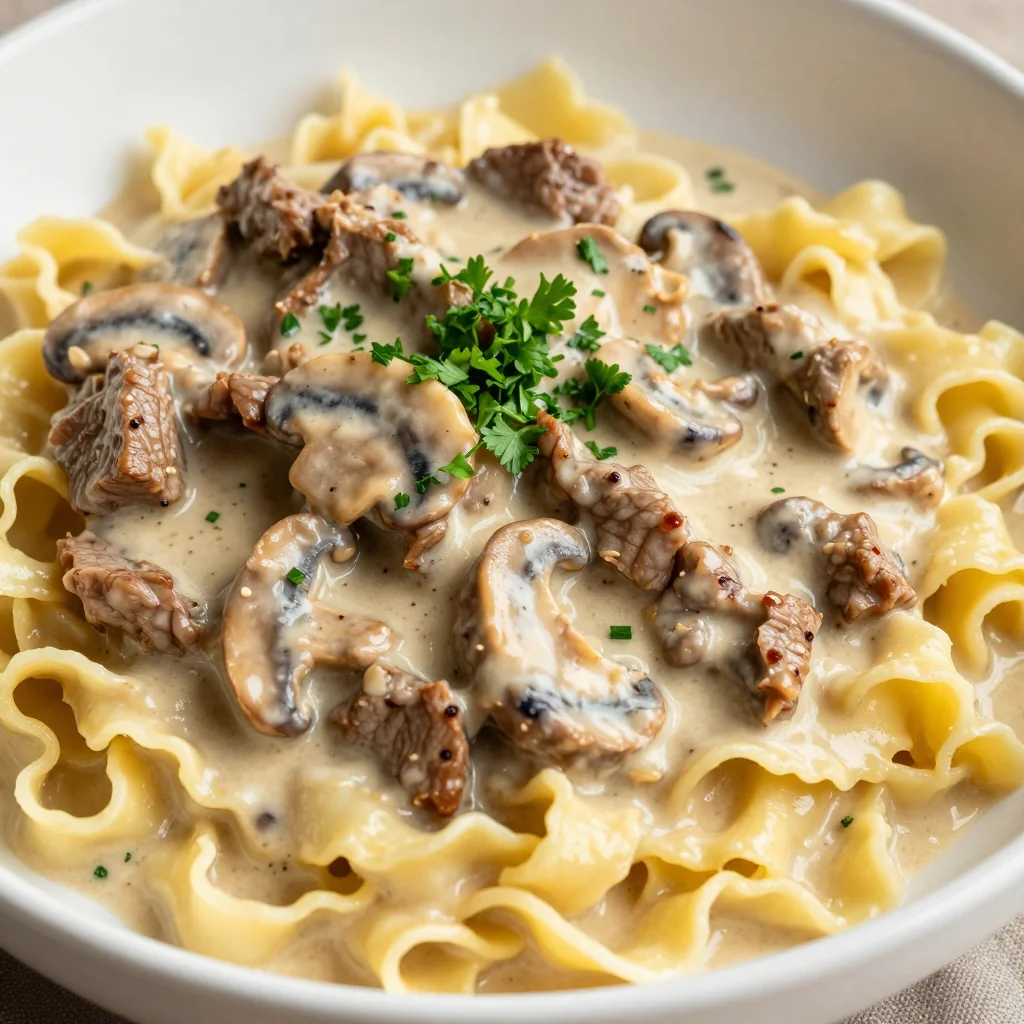
It all started on a rainy Thursday night when I was staring at a half‑sliced onion and a block of cheddar, wondering if a sandwich could be more than a sandwich. The kitchen smelled of burnt sugar and the faint promise of something golden, and I decided to turn that feeling into a loaf. I had always been skeptical of bread that tried to be a side dish, but this time I was ready to test the limits of comfort food. I promised myself that if the bread didn’t melt my heart, I would never make it again. The moment the dough rose, the kitchen felt like a bakery on fire, and that was the first hint that this recipe would be a game‑changer.
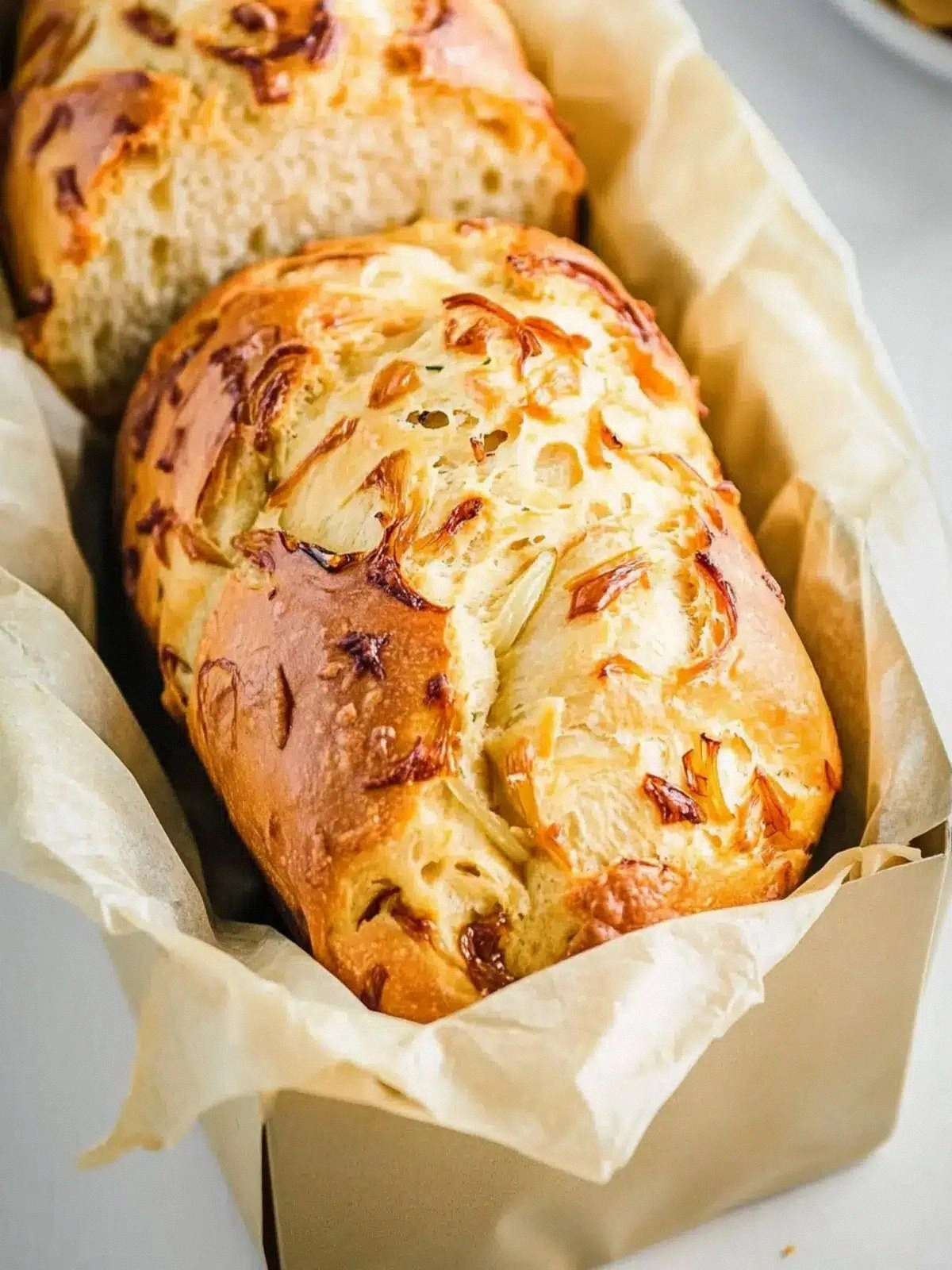
Picture a loaf that looks like it’s been baked by a pastry chef, yet tastes like a warm hug from your grandma. The crust is a dark, buttery caramel that crackles when you bite into it, while the inside is a soft, pillowy sponge that holds a generous layer of melted cheddar. The caramelized onions add a sweet, almost syrupy depth that cuts through the richness, and the thyme gives a subtle herbal lift that keeps the flavor from becoming cloying. I dare you to taste this and not go back for seconds, because once you’ve had the first bite, the rest feels like a warm blanket. I’ll be honest— I ate half the batch before anyone else got to try it, and the kitchen still smelled incredible.
What makes this version stand out from every other bread recipe is that it doesn’t rely on a single ingredient to carry the flavor. It’s a symphony of caramel, cheese, herb, and yeast, each playing its part in perfect harmony. The dough is enriched with milk and olive oil, giving it a silky texture that is far more inviting than the typical plain white bread. The onions are cooked low and slow until they’re practically liquid, so they distribute evenly throughout the loaf. The result is a bread that is simultaneously crispy, chewy, and gooey, with a flavor profile that feels like a secret family recipe.
And if you’re wondering what trick makes the crust so irresistibly golden, it’s a simple technique that most recipes overlook: a brief burst of high heat at the end of baking. This step caramelizes the sugars on the surface, creating a crust that shatters like thin ice when you press it with your finger. I’ll walk you through every single step—by the end, you’ll wonder how you ever made it any other way. The secret is in the timing, the temperature, and the little details that elevate this loaf from good to unforgettable. Let’s dive in.
Okay, ready for the game‑changer? The first thing to understand is that this loaf is a blend of comfort and innovation. It’s the kind of bread that you can serve at a casual dinner, a Sunday brunch, or even as a snack for a movie night. It’s not just a side; it’s the centerpiece that brings people together around the table. The caramelized onions give it a depth of flavor that makes it feel like a savory custard, while the cheddar melts into a silky sauce that coats the bread like velvet. The thyme adds a subtle herbal aroma that lifts the entire dish, making it feel fresh and lively. If you’ve ever struggled to find the perfect savory bread, you’re not alone—and I’ve got the fix.
What Makes This Version Stand Out
- Taste: The combination of sweet caramelized onions, sharp cheddar, and aromatic thyme creates a flavor profile that is both comforting and complex. The sweetness balances the saltiness of the cheese, while the herbs add a fresh note that keeps the bread from feeling heavy. This is hands down the best version you’ll ever make at home.
- Texture: The crust is crisp and buttery, the crumb is airy and moist, and the cheese melts into a gooey ribbon that runs through each slice. The onions are so soft they practically dissolve, giving the loaf a unique mouthfeel that feels almost like a pastry. The result is a bread that feels indulgent without being greasy.
- Simplicity: All the ingredients are pantry staples, and the method is straightforward enough for a beginner, yet sophisticated enough to impress. No fancy equipment is required—just a mixing bowl, a loaf pan, and an oven. The process is broken down into clear, manageable steps that you can follow without a second glance.
- Uniqueness: While many breads rely on a single flavor, this loaf marries caramel, cheese, and herbs in a way that feels fresh and unexpected. The caramelized onions add a depth that most savory breads lack, and the thyme gives it a subtle herbal lift that sets it apart. The result is a loaf that stands out in any meal setting.
- Crowd Reaction: Friends who have tried this loaf say it’s the most memorable bread they’ve ever had. The combination of flavors is so satisfying that people ask for the recipe after just one bite. I’ve had people line up for the last slice, which is a testament to its appeal.
- Ingredient Quality: Using fresh cheddar and real onions makes all the difference. The cheese should be sharp enough to stand out but not overpowering, and the onions should be fresh to bring out that sweet caramel flavor. A good olive oil and warm milk also add depth and richness to the dough.
Inside the Ingredient List
The Flavor Base
The yeast, warm water, and sugar kick things off by creating a bubbly, yeasty foundation that leavens the dough. The yeast is activated by the sugar, which feeds the microorganisms and encourages a rapid rise. If you skip the yeast, you’ll end up with a flat, dense loaf that lacks the airy crumb that makes this bread so irresistible. For a gluten‑free version, you can replace the all‑purpose flour with a gluten‑free blend, but you’ll need to add xanthan gum to maintain structure.
Warm water is essential because it activates the yeast and helps dissolve the sugar. Cold water can inhibit the yeast’s activity, leading to a sluggish rise. The water temperature should be around 110°F (43°C), which is warm enough to encourage fermentation without killing the yeast. A good rule of thumb is to feel the water with your wrist; it should be comfortably warm, not hot.
Milk adds richness and helps create a tender crumb. It also contributes lactose, which caramelizes during baking, giving the crust that beautiful golden hue. If you’re lactose intolerant, you can swap milk for a plant‑based alternative like oat milk, but keep in mind that the flavor will be slightly different. The key is to use a milk that’s not too sweet, so the cheddar and onions can shine.
The Texture Crew
All‑purpose flour provides the structure needed for the loaf to rise properly. It’s the backbone of the bread, holding the gas produced by the yeast and forming the gluten network that gives the dough its elasticity. If you use a lower‑protein flour, the bread will be denser and may not rise as well.
Olive oil adds a silky, buttery texture to the dough. It coats the flour proteins, slowing down gluten development and creating a tender crumb. The olive oil also adds a subtle fruity note that complements the cheddar. A light or extra‑virgin olive oil works best; avoid extra‑light varieties that lack flavor.
Salt is the flavor enhancer that brings everything together. It balances the sweetness of the onions and the richness of the cheese, preventing the loaf from tasting flat. Salt also helps control yeast activity, ensuring a steady rise. Use a fine sea salt for the best results.
The Unexpected Star
The caramelized onions are the secret weapon that elevates this bread from ordinary to extraordinary. Slow cooking the onions until they’re deep brown releases their natural sugars, creating a sweet, almost syrupy flavor that pairs beautifully with the sharp cheddar. If you skip the caramelizing step, you’ll lose a layer of depth, and the bread will taste more like a regular cheesy loaf.
Cheddar cheese is the star of the show. It melts into a gooey, golden sauce that coats the bread like a velvety blanket. The sharpness of the cheddar provides a contrasting bite to the sweetness of the onions, creating a balanced flavor profile. Use a high‑quality cheddar for the best melt and flavor.
The Final Flourish
Fresh thyme or rosemary adds a fragrant, herbal finish that lifts the overall flavor profile. The herbs provide a bright, earthy note that balances the richness of the cheese and the sweetness of the onions. If you’re not a fan of thyme, you can substitute rosemary, but be careful not to overdo it, as the herb can easily overpower the other flavors.
Each ingredient plays a critical role in building the structure, flavor, and texture of this loaf. Skipping or substituting one can change the outcome dramatically, so follow the recipe closely for the best results. If you want to experiment, start by swapping the cheddar for a smoked cheese to add a different dimension of flavor.
The Method — Step by Step
- First, activate the yeast by whisking the packet of active dry yeast, 2 tablespoons of sugar, and 1 cup of warm water in a small bowl. Let the mixture sit for 5 minutes until it becomes frothy, indicating that the yeast is alive and ready. This froth is your sign that the dough will rise properly. If the mixture doesn’t froth, it’s a sign the yeast is dead and should be replaced.
- In a large mixing bowl, combine the warm milk, olive oil, and salt. Stir until the salt dissolves completely, ensuring an even distribution of flavor. Add the activated yeast mixture to this liquid base and whisk until the mixture is smooth. This step creates the wet foundation of your dough.
- Gradually add the 5 cups of all‑purpose flour, a cup at a time, while stirring with a wooden spoon or dough hook. The dough will start to pull together and become shaggy. Keep adding flour until the dough forms a cohesive ball that pulls away from the sides of the bowl. If the dough feels too sticky, add a little more flour, but be careful not to add too much, or the bread will be dry.
- Transfer the dough to a floured surface and knead for about 8–10 minutes, until it becomes smooth and elastic. You’ll notice the dough becoming less tacky and more pliable as gluten develops. A good test is to stretch a small piece; if it stretches without tearing, you’re on the right track.
- Place the kneaded dough in a lightly oiled bowl, cover it with a damp cloth, and let it rise in a warm spot for 1 hour, or until it doubles in size. The rising process is crucial for developing flavor and a light crumb. If your kitchen is cold, you can place the bowl in the oven with the light on, which provides a gentle warmth.
- While the dough is rising, caramelize the onions. Slice 2 onions thinly and heat 2 tablespoons of olive oil in a large skillet over medium heat. Add the onions and a pinch of salt, stirring frequently. Cook for 20–25 minutes, until the onions are deep brown and syrupy. The slow caramelization brings out the natural sugars and creates a sweet, savory flavor that will permeate the bread.
- Once the dough has risen, punch it down to release the air bubbles. Transfer it to a 9x5 inch loaf pan that’s been lightly greased. Press the dough evenly into the pan, smoothing the top with a spatula. This ensures an even rise and a uniform crust.
- Let the dough rise again for 30–45 minutes, or until it’s just about to rise over the edge of the pan. This second rise is essential for achieving a light, airy crumb. While the dough is rising, preheat your oven to 375°F (190°C) to ensure it’s hot enough for a crisp crust.
- Before baking, sprinkle the top of the loaf with the 3 cups of grated cheddar and the 2 teaspoons of fresh thyme or rosemary. The cheese will melt into a gooey, golden layer, while the herbs add a fragrant finish. Gently press the cheese into the dough so it’s evenly distributed.
- Bake the loaf for 30 minutes, then increase the temperature to 425°F (220°C) for the last 10 minutes to develop a crisp, caramelized crust. The final burst of heat caramelizes the sugars on the surface, creating a crust that shatters like thin ice when you press it. Let the bread cool in the pan for 10 minutes, then transfer it to a wire rack to cool completely before slicing.
Insider Tricks for Flawless Results
The Temperature Rule Nobody Follows
Many bakers use a 375°F oven, but this loaf thrives at a slightly higher temperature for the final 10 minutes. The increased heat caramelizes the sugars on the crust, creating that irresistible crunch. I’ve found that preheating the oven for at least 15 minutes ensures the temperature is stable when you bake.
Why Your Nose Knows Best
As the loaf bakes, the aroma of caramelized onions and melting cheddar will fill your kitchen. Trust that scent—it’s a sign the loaf is developing the right flavor profile. If the smell is too mild, the cheese isn’t melting enough; if it’s overpowering, the onions may be overcooked.
The 5-Minute Rest That Changes Everything
After removing the loaf from the oven, let it rest for 5 minutes in the pan before transferring it to a rack. This brief rest allows the steam to settle, preventing the loaf from becoming soggy on the bottom. It also gives the cheese a chance to set slightly, making slicing easier.
Use a Loaf Pan with a Lid
Covering the loaf with a lid during the final rise traps steam, creating a softer crust. When you remove the lid before baking, the steam escapes, allowing the crust to crisp up. This trick is especially useful in humid climates where the dough can become too moist.
Keep the Dough Moist
During the rising period, cover the dough with a damp towel to prevent it from drying out. A dry dough will result in a dense crumb. The dampness keeps the surface moist, allowing the yeast to work efficiently.
Let the Cheese Settle
Before baking, press the cheddar into the dough so it’s evenly distributed. This ensures that every bite has a balanced cheese-to-onion ratio. A friend once tried to sprinkle the cheese on top only and the loaf ended up with pockets of cheese that didn’t melt evenly.
Creative Twists and Variations
Smoky Bacon & Cheddar
Replace half of the cheddar with smoked gouda for a smoky depth that pairs wonderfully with caramelized onions. Add crumbled bacon on top before baking for a crispy, savory finish. This variation is perfect for a brunch crowd that loves a smoky flavor.
Herb‑Infused Bread
Swap the thyme for a blend of fresh herbs—basil, oregano, and parsley—for a Mediterranean twist. The herbs infuse the dough with bright, aromatic notes that complement the cheese. This version is ideal for a light, summery meal.
Vegan Version
Use a plant‑based milk like oat or almond milk, and replace the cheddar with a vegan cheese that melts well, such as a cashew‑based cheddar. Keep the olive oil and thyme for flavor. This loaf remains indulgent while catering to vegan diners.
Sweet & Savory Mix
Fold in a handful of dried cranberries or raisins to add a subtle sweetness that contrasts with the savory cheese. The dried fruit will caramelize slightly, adding a delightful texture. This variation works well as a party appetizer.
Spicy Kick
Add a teaspoon of crushed red pepper flakes to the dough for a subtle heat that balances the sweetness of the onions. The spice adds an unexpected dimension, making the loaf exciting for spice lovers. Keep the amount moderate so it doesn’t overpower the cheese.
Storing and Bringing It Back to Life
Fridge Storage
Wrap the cooled loaf tightly in plastic wrap or place it in an airtight container. Store it in the refrigerator for up to 3 days. The cool environment preserves the moisture, keeping the crumb tender.
Freezer Friendly
Slice the loaf before freezing to make it easier to thaw and serve. Place the slices in a freezer bag and seal tightly. Freeze for up to 2 months; when ready, thaw at room temperature for 30 minutes.
Best Reheating Method
To revive a frozen slice, wrap it in a damp paper towel and microwave for 20–30 seconds. The dampness prevents the bread from drying out. For a crispier crust, finish the slice in a preheated oven at 350°F (175°C) for 5 minutes.