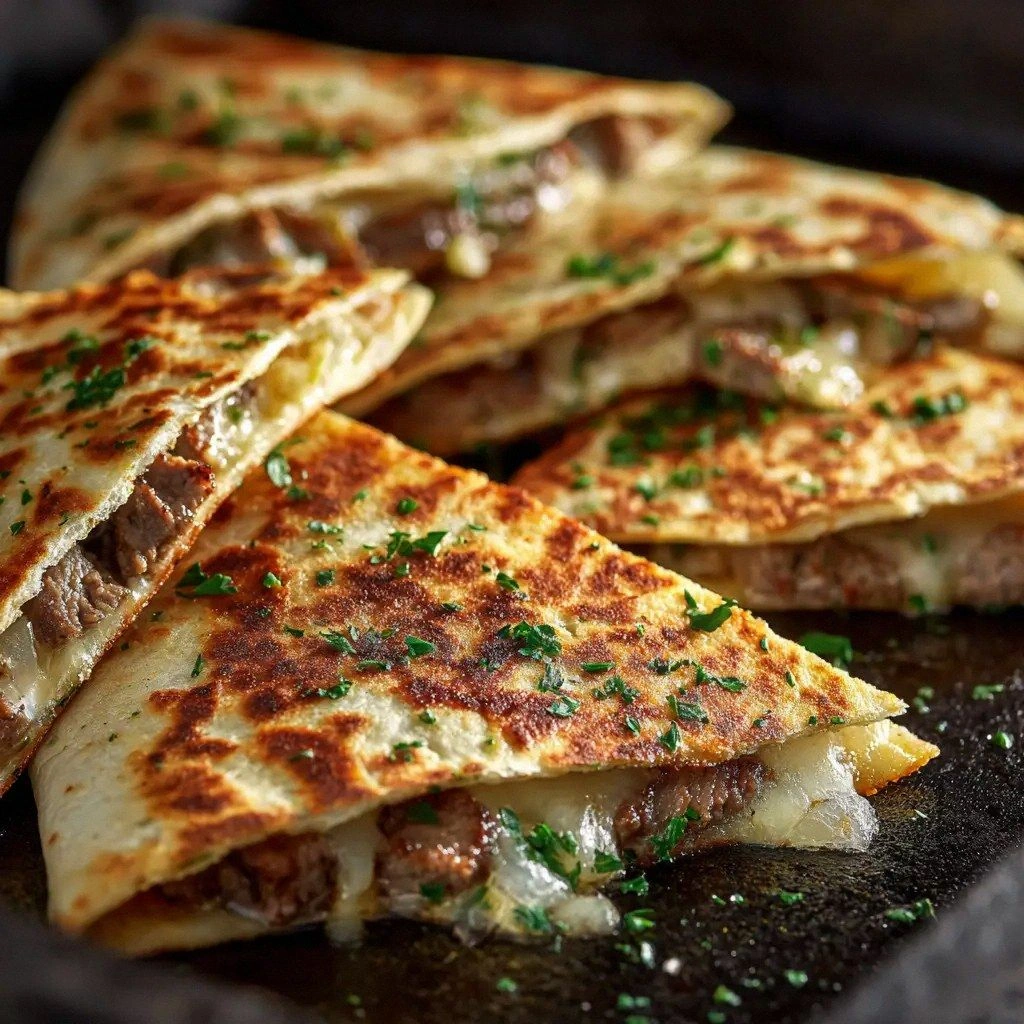
It was a rainy Tuesday, the kind that turns a kitchen into a confessional booth for burnt sauces and over‑cooked pasta. I was staring at a slab of sirloin that had been marinating for a week, its scent already overpowering the stale air that had settled in the fridge. I whispered, “I dare you to taste this and not go back for seconds,” to the empty counter and the next thing I knew, the steak was seared to a caramelized crust that sang a siren song to my taste buds. That moment, that sizzle, that promise of flavor was the spark that lit a fire in my culinary mind and set me on a quest to create the ultimate steak quesadilla.
Picture yourself pulling these golden, cheese‑laden wonders from the griddle, the kitchen filled with the aroma of smoky steak, caramelized onions, and peppery bell peppers. The sound of the tortillas flipping, the hiss of hot oil, the gentle pop of cheese melting into a gooey, golden blanket—each sensory cue builds a crescendo that culminates in a bite that feels like a hug from the inside out. I’ve tried countless versions of steak quesadillas, each one a little off, a little bland, a little too greasy. This version? It’s hands down the best version you’ll ever make at home, with a crunch that shatters like thin ice and a sauce that coats the meat like velvet.
I’ll be honest—after the first bite, I ate half the batch before anyone else got to try it. The rest of the kitchen smelled like a Mexican fiesta, but with a sophisticated twist that made it feel like a Michelin‑star dish. I’ve spent the last two weeks tweaking the spice ratios, the cooking times, and the assembly technique until everything fell into place. The result is a quesadilla that’s not just a meal but a show‑stopping performance that will make your friends question why they ever settled for store‑bought tortillas.
Most recipes get this completely wrong. They either over‑cook the steak, under‑season the veggies, or use a bland cheese that melts without flavor. Here’s what actually works: the steak is marinated in a simple blend of chili powder, cumin, garlic powder, salt, and pepper, then seared to lock in juices; the bell pepper and onion are sautéed to bring out their natural sweetness; the cheese blend is chosen for its melt‑ability and sharpness; and the tortillas are warmed on a griddle until they’re crisp but still pliable. This is the secret sauce—literally and figuratively—that turns a humble quesadilla into a culinary masterpiece.
And now, the fun part. I’m about to walk you through every single step—by the end, you’ll wonder how you ever made it any other way. Keep your eyes peeled, your hands steady, and your appetite ready.
What Makes This Version Stand Out
- Flavor: The combination of chili powder and cumin gives the steak a smoky, earthy depth that pairs perfectly with the sweet onions and bell peppers. The garlic powder adds a subtle punch that lingers on the palate, while the salt and pepper balance the heat without masking the other spices.
- Texture: The steak is seared to a caramelized crust, creating a delightful contrast with the tender interior. The cheese melts into a silky, gooey layer that holds the filling together, and the tortillas develop a crisp edge that snaps with every bite.
- Heat: A moderate amount of high‑smoke point oil ensures a crisp, non‑greasy finish. The oil also helps carry the spices into the steak, giving each bite a uniform flavor profile.
- Cheese Selection: A blend of cheddar, Monterey Jack, and pepper jack gives a rich, tangy flavor while melting smoothly. The combination prevents the cheese from separating or becoming rubbery.
- Ease of Assembly: The use of a griddle or large skillet means you can cook multiple quesadillas at once without overcrowding, keeping the tortillas from steaming instead of crisping.
- Make‑Ahead Potential: The filling can be pre‑made and stored in the fridge for up to 48 hours. When you’re ready to serve, simply assemble and reheat on the griddle; the texture remains crisp.
- Crowd‑Pleaser: The bold flavors and hearty portions make it ideal for family dinners, game‑day snacks, or a quick weekday meal. The dish is so satisfying that it can replace a pizza night or a taco bar.
- Ingredient Quality: Using a fresh, high‑quality sirloin or flank steak ensures a juicy center, while fresh peppers and onions add bright, natural sweetness that balances the spices.
Inside the Ingredient List
The Flavor Base
The steak is the star of the show. A 1.5‑pound sirloin or flank steak provides the lean, meaty foundation that carries the spices. Marinating it in a blend of 1 tablespoon chili powder, 2 teaspoons ground cumin, 1 teaspoon garlic powder, 1 teaspoon kosher salt, and 0.5 teaspoon black pepper for at least 30 minutes (or overnight) allows the flavors to permeate the meat. Skipping the marination step will leave the steak bland and tough; the spices are what give the dish its signature depth. If you prefer a milder flavor, reduce the chili powder to ½ tablespoon, but keep the cumin for that earthy undertone.
The Texture Crew
The 1 large red bell pepper and 1 large yellow onion are diced into bite‑sized pieces. They’re sautéed until caramelized, which brings out their natural sweetness and balances the heat from the spices. Cutting the peppers into thin strips instead of cubes gives a different mouthfeel, adding a subtle crunch if you prefer. If you’re short on fresh produce, frozen bell pepper strips can work, but fresh is always better for flavor.
The Unexpected Star
The 4 cups of shredded cheese blend are chosen for their melt‑ability and flavor. A mix of cheddar, Monterey Jack, and pepper jack gives a sharp, tangy profile that doesn’t overpower the steak. Using a single cheese type can result in a less complex taste. If you’re lactose intolerant, try a high‑melting plant‑based cheese; it won’t have the same depth, but it will still hold the quesadilla together.
The Final Flourish
The 8 large flour tortillas act as the canvas. They’re warmed on a griddle until they’re slightly charred on the edges, which adds a smoky flavor. Using tortillas that are too thin will cause them to tear; too thick will make them heavy. A medium‑thick tortilla balances the weight of the filling and keeps the quesadilla from becoming soggy. The 2 tablespoons of high‑smoke point oil (such as avocado or grapeseed) ensures a crisp, golden finish without burning.
Everything’s prepped? Good. Let’s get into the real action.
The Method — Step by Step
- Trim and Season the Steak: Start by trimming any excess fat from the steak. Pat it dry with a paper towel to ensure a good sear. Sprinkle the spice mix—chili powder, cumin, garlic powder, salt, and pepper—on both sides, pressing gently to adhere. Let it rest at room temperature for 10 minutes; this brings the meat to a more even cooking temperature.
- Preheat Your Griddle or Skillet: Heat a heavy‑bottom skillet or griddle over medium‑high heat until it shimmers. Add a splash of high‑smoke point oil and swirl to coat the surface. The oil should be hot enough that a drop of water sizzles instantly. This step is crucial for achieving that coveted crispy edge without burning.
- Sear the Steak: Place the steak on the hot surface and let it sear undisturbed for about 3 minutes per side for medium‑rare (adjust for thickness). Use tongs to flip once; do not press down. The crust should develop a rich, dark color. Watch the internal temperature with a meat thermometer; aim for 130°F for medium‑rare. Kitchen Hack: If you’re cooking a thicker steak, sear each side for an additional 30 seconds to ensure a proper crust.
- Rest and Slice: Transfer the steak to a cutting board and let it rest for 5 minutes. Resting allows juices to redistribute, preventing a dry bite. Slice the steak into thin, ¼‑inch strips against the grain. Thin slices cook faster and are easier to fold into the tortilla.
- Sauté the Vegetables: In the same skillet, add the diced onions and bell peppers. Sauté over medium heat, stirring frequently, until the onions become translucent and the peppers soften, about 5–7 minutes. The veggies should be caramelized, not raw; this brings out their natural sweetness. Season with a pinch of salt to enhance flavor.
- Combine Steak and Veggies: Return the sliced steak to the skillet with the vegetables. Stir to coat the meat in the pan juices. Let the mixture cook for an additional 2 minutes so the flavors meld. Remove from heat; the mixture should be hot but not boiling.
- Assemble the Quesadilla: Lay a tortilla flat on a clean surface. Sprinkle a generous amount of shredded cheese over half of the tortilla, then spread the steak‑veggie mixture on top of the cheese. Fold the tortilla in half, pressing gently to seal. Watch Out: Be careful not to overfill; excess filling can cause the tortilla to tear during cooking.
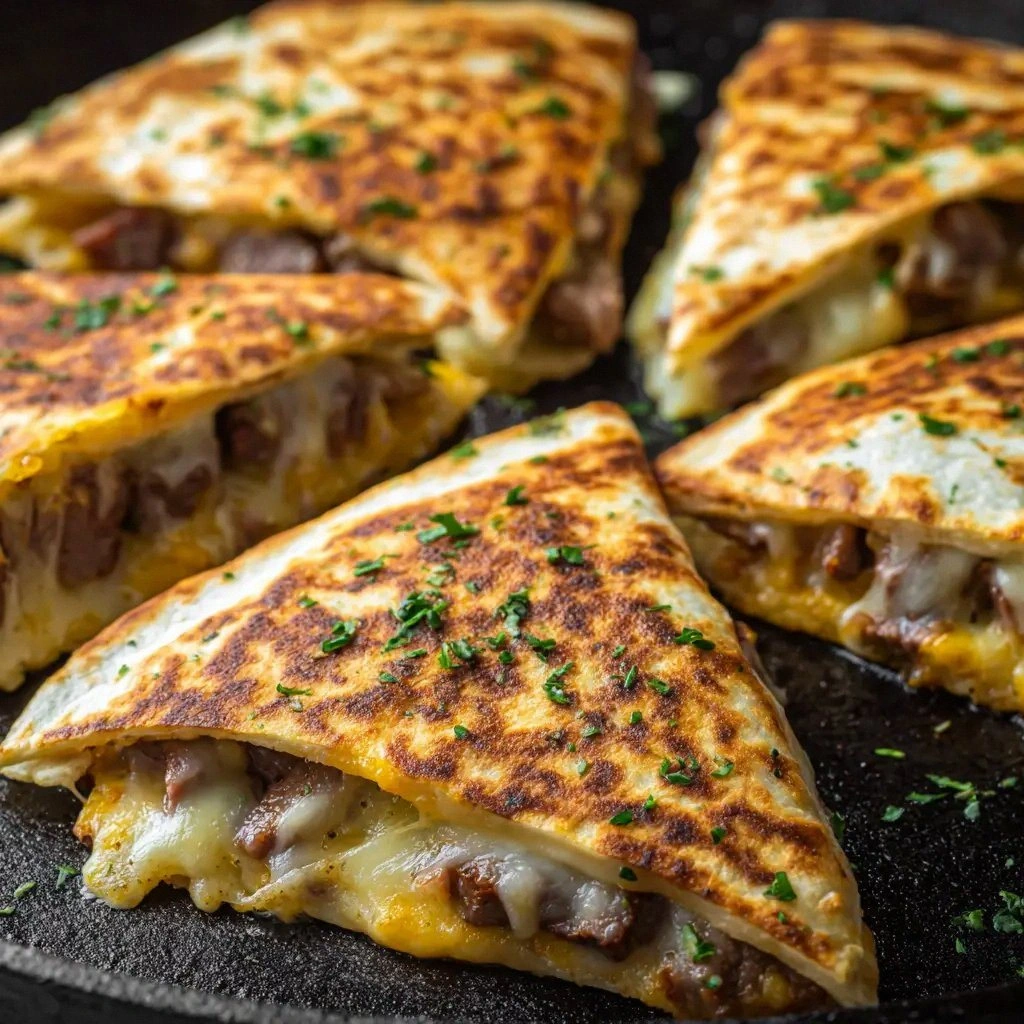
- Grill the Quesadilla: Return the assembled quesadilla to the hot skillet. Cook for 2–3 minutes per side, pressing down with a spatula to ensure even contact. The cheese should melt into a golden, bubbly layer, and the tortilla edges should become crisp and slightly charred. Flip carefully to avoid spilling the filling.
- Rest and Slice: Once both sides are golden, transfer the quesadilla to a cutting board. Let it rest for 1 minute; this allows the cheese to set slightly, preventing it from oozing out when sliced. Use a sharp knife to cut into wedges, and serve immediately with your favorite salsa, guacamole, or a squeeze of lime.
That’s it—you did it. But hold on, I’ve got a few more tricks that will elevate this dish from great to unforgettable.
Insider Tricks for Flawless Results
The Temperature Rule Nobody Follows
Many cooks underestimate the importance of a hot cooking surface. A skillet that’s too cool will cause the tortilla to steam instead of crisp. To test, sprinkle a drop of water on the pan; if it sizzles and evaporates immediately, you’re ready. If it just sits, let the pan heat longer. This simple check saves you from soggy quesadillas.
Why Your Nose Knows Best
When the steak is seared, your nose will detect a faint, nutty aroma that signals the Maillard reaction has kicked in. If you’re unsure, close your eyes and sniff the pan; a strong, roasted scent means the crust is perfect. This sensory cue is more reliable than a thermometer for most home cooks.
The 5‑Minute Rest That Changes Everything
Resting the steak after searing allows the muscle fibers to relax, which keeps the meat tender. Skipping this step often results in a chewy bite. Even a brief 5‑minute rest can make the difference between a dry steak and a juicy, melt‑in‑your‑mouth experience.
Use a Paper Towel to Dry the Tortilla
Before assembling, lightly dust the tortilla with a pinch of flour or cornstarch and then pat it with a paper towel to remove excess moisture. This trick creates a barrier that prevents the tortilla from becoming soggy when the cheese melts.
Cheese Matters
Not all cheeses melt the same. A blend of cheddar, Monterey Jack, and pepper jack offers a balance of sharpness and melt‑ability. If you prefer a milder flavor, substitute mozzarella for part of the blend; it will still melt well but will lack the tangy bite.
Keep the Heat Low When Melting Cheese
After adding the cheese to the tortilla, lower the heat to medium‑low. This prevents the cheese from burning while allowing it to melt evenly. A quick flip after 1 minute ensures both sides achieve that golden crust.
Creative Twists and Variations
This recipe is a playground. Here are some of my favorite ways to switch things up:
Buffalo Chicken Quesadilla
Replace the steak with shredded rotisserie chicken tossed in buffalo sauce. Add blue cheese crumbles for a creamy contrast. This version is perfect for a spicy, crowd‑pleasing snack.
BBQ Pulled Pork Quesadilla
Use slow‑cooked pulled pork and mix in a handful of coleslaw for crunch. Drizzle with a smoky BBQ sauce before folding. The sweet and savory combo will leave you craving more.
Veggie‑Loaded Power Quesadilla
Swap the steak for sautéed mushrooms, zucchini, and spinach. Sprinkle with feta and a splash of lemon juice for brightness. This vegetarian take is hearty and full of umami.
Breakfast Steak Quesadilla
Fold scrambled eggs and a dash of cheddar into the mix. Top with a drizzle of maple syrup and a pinch of cayenne. Breakfast meets lunch in one delicious, protein‑packed bite.
Mexican Street Tacos Quesadilla
Use seasoned ground beef instead of steak and add chopped cilantro, diced tomatoes, and a squeeze of lime. Finish with a dollop of crema. This variation captures the vibrant flavors of street tacos in a handheld form.
Greek‑Inspired Quesadilla
Replace the cheese with a mix of feta and goat cheese. Add sliced olives and chopped spinach. Drizzle with tzatziki sauce after assembly for a Mediterranean twist.
Sweet & Spicy Quesadilla
Add diced pineapple and a touch of chipotle sauce to the steak mixture. The sweetness balances the heat, creating a complex flavor profile that’s sure to impress.
Storing and Bringing It Back to Life
Fridge Storage
Store any leftover filling in an airtight container in the refrigerator for up to 48 hours. When ready to use, reheat the filling in a skillet over medium heat until warmed through. This keeps the steak juicy and the vegetables tender.
Freezer Friendly
Wrap the assembled quesadillas tightly in foil or place them in a freezer‑safe bag. They can be frozen for up to 2 weeks. When reheating, thaw overnight in the fridge, then finish on a hot skillet until the tortilla is crisp.
Best Reheating Method
To reheat a frozen quesadilla, first place it in a preheated oven at 350°F for 15 minutes. Then transfer to a skillet for 2–3 minutes per side to restore crispness. Add a splash of water to the skillet before reheating; the steam helps the cheese melt back to perfection.