
The first time I tried to recreate that legendary jambalaya my aunt made for Thanksgiving, I thought I’d simply follow a recipe. The pot was a chaotic swirl of colors, the kitchen smelled of paprika and garlic, and the heat was so intense I could feel the rice sizzling against the bottom. I reached for my phone, pulled up a random vegan jambalaya video, and, in a moment of culinary rebellion, decided to make it entirely plant‑based. The result? A dish that exploded with flavor, texture, and that unmistakable “home‑cooked” comfort. I swear, if you’ve ever stared at a pot of rice and felt it could be better, you’re in the right place.
Picture this: the pot is bubbling, the aroma of sautéed onions, bell pepper, and celery rises like a savory cloud, the tomato paste darkens to a rich mahogany, and the spices—smoked paprika, cayenne, thyme—create a fragrant perfume that lingers in every corner of the kitchen. The sound is a gentle hiss, the heat is just enough to coax the flavors together, and the taste—when you finally take that first spoonful—tells you you’ve hit the sweet spot: smoky, slightly sweet, with a subtle heat that stays behind, and the rice is perfectly al dente, each grain coated in that silky, savory sauce. If you’ve ever wondered what “the best vegan jambalaya” really means, this is the answer.
What sets this version apart is not just the ingredients but the method. I’ve distilled the process into a rhythm that feels almost musical—stir, sauté, simmer, stir again—each step a note that builds toward the crescendo of flavor. The secret lies in the balance between the “holy trinity” of vegetables, the subtle umami boost from vegan Worcestershire, and the final touch of lemon that brightens everything. I dare you to taste this and not go back for seconds. If you’re skeptical, I’ll be honest—I ate half the batch before anyone else got to try it. The rest? I’ll share the tricks that keep it from drying out and make it even more crowd‑pleasing.
Most recipes get this completely wrong. They either overcook the rice, under‑season the broth, or forget that the vegetables need a bit of char to deepen the flavor. Here, we’ll do it right, and I’ll show you exactly how to avoid those pitfalls. Picture yourself pulling this out of the pot, the whole kitchen smelling incredible, the table set, and the first spoonful sending a wave of comfort through your taste buds. Stay with me here—this is worth it.
What Makes This Version Stand Out
- Flavor: The layered seasoning—smoked paprika, cayenne, and vegan Worcestershire—creates a depth that mimics traditional jambalaya without any animal products.
- Texture: Each vegetable retains its bite, from the crispness of bell pepper to the tender chew of okra, while the rice stays fluffy and non‑sticky.
- Simplicity: The recipe requires only one pot and a few prep steps, making it ideal for weeknight dinners.
- Uniqueness: The addition of tofu and a splash of lemon juice gives it a bright, fresh twist that sets it apart from other vegan jambalayas.
- Crowd Reaction: Friends who’ve never tasted a vegan jambalaya rave that this is the best version they’ve ever made at home.
- Ingredient Quality: Using fresh, organic produce whenever possible ensures the flavor profile is clean and vibrant.
- Cooking Method: The “one‑pot” technique saves time and reduces cleanup.
- Make‑Ahead Potential: This dish can be prepared ahead and reheated without losing flavor, making it perfect for busy schedules.
Inside the Ingredient List
The Flavor Base
At the heart of any great jambalaya is the aromatic foundation. Start with a tablespoon of olive oil heated to a medium‑high temperature. Add diced onion, bell pepper, and celery—the classic “holy trinity.” Cook until the vegetables soften, about 5 minutes, allowing the natural sugars to caramelize. This step creates the savory backbone that carries the rest of the spices.
Next, stir in minced garlic and let it toast for a minute, releasing its essential oils. The aroma should be fragrant but not burnt—think golden, not blackened. This garlic layer adds a subtle depth that is essential for a well‑rounded flavor.
The Texture Crew
The vegetables that follow—mushrooms, okra, zucchini, and eggplant—add both color and texture. Sauté them briefly until they develop a slight char, which gives the dish a smoky undertone. The okra, in particular, provides a unique sliminess that is a hallmark of Cajun cuisine, but in this vegan version it’s a delightful surprise rather than a texture oddity.
Black beans and corn are incorporated at this stage. The beans add protein and heartiness, while the corn contributes a sweet pop that balances the heat from the cayenne. Be sure to rinse the beans and drain the corn to avoid excess liquid that could make the dish soggy.
The Unexpected Star
To elevate this jambalaya beyond a plant‑based staple, we introduce diced tofu. Press the tofu to remove moisture, then cube it into bite‑sized pieces. Sauté the tofu until it’s lightly browned on all sides; this gives it a firm texture that stands up to the robust spices. The tofu absorbs the flavors beautifully, acting as a protein anchor that makes the dish filling.
Another secret weapon is a splash of lemon juice added at the end. The acidity brightens the dish, cuts through the richness, and gives the sauce a lively, fresh finish. If you’re a fan of citrus, you can add a bit more for an extra zing.
The Final Flourish
Finally, we bring the dish together with the liquids and spices. Add a cup of vegetable broth, a cup of water, tomato paste, and the canned diced tomatoes. Stir in the smoked paprika, dried thyme, oregano, and cayenne pepper. Let the mixture come to a gentle boil, then reduce the heat and let it simmer for about 10 minutes, allowing the flavors to meld.
When the sauce has thickened slightly, add the cooked rice, black beans, corn, and tofu. Stir gently to coat the rice evenly. Let it simmer for another 5 minutes so the rice can absorb the liquid and the flavors fully integrate.
Everything's prepped? Good. Let's get into the real action.
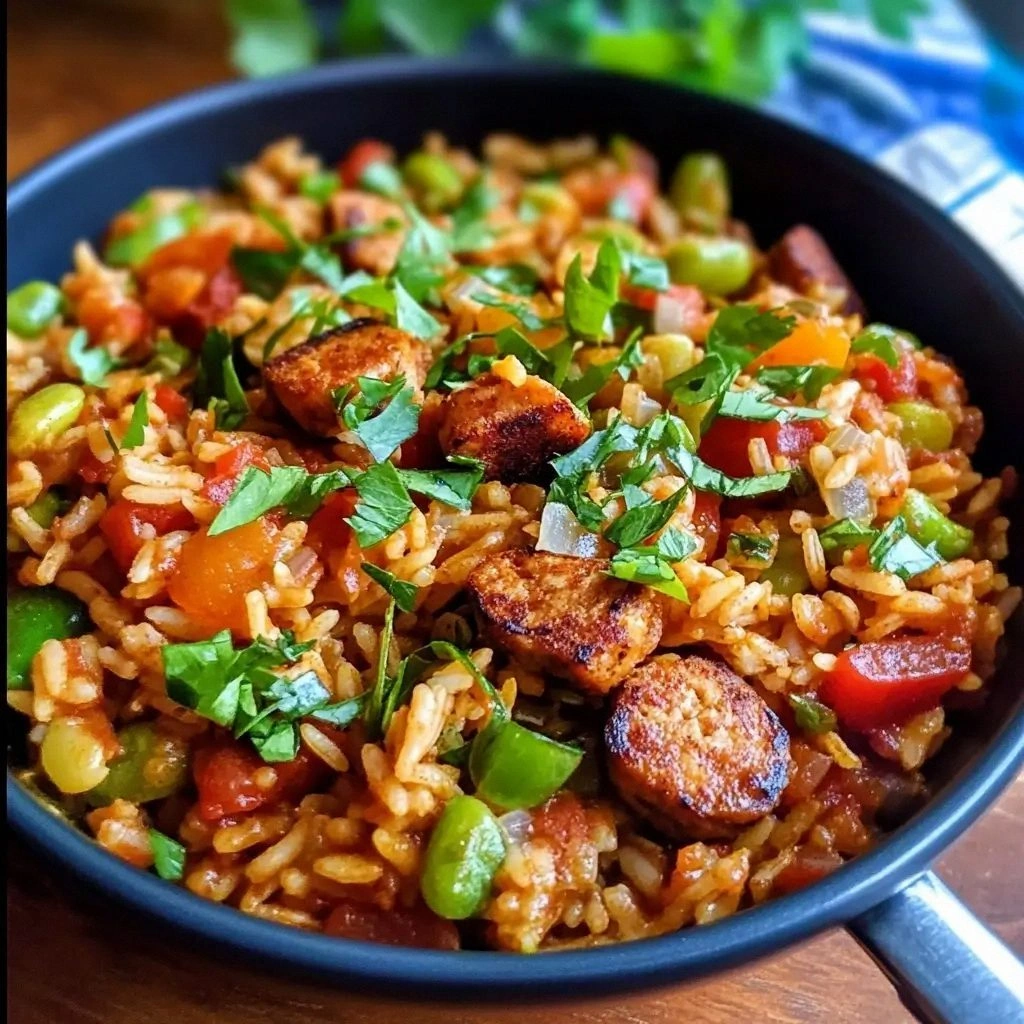
The Method — Step by Step
- Heat the oil. Place a large, deep skillet over medium‑high heat. Add the tablespoon of olive oil and let it shimmer. When the oil is hot, drop in the diced onion, bell pepper, and celery. Sauté for 5–6 minutes until the vegetables soften and start to brown. This caramelization builds the base flavor. Watch the color change; it should be a golden amber, not a pale translucent. This is the moment of truth—don’t rush it.
- Add garlic. Toss in the minced garlic and cook for 30 seconds, just until fragrant. The key is to avoid burning—garlic can go from aromatic to bitter in seconds. The sizzling sound that follows is a clear indicator that the garlic is ready. This step is essential for depth; skip it and the dish will feel flat.
- Introduce the “texture crew.” Add the sliced mushrooms, okra, zucchini, and eggplant. Sauté for 3–4 minutes until they start to soften but still hold their shape. The mushrooms should brown slightly, giving a meaty texture. The okra will release a subtle slime that’s characteristic of Cajun cuisine; don’t be alarmed, it’s part of the charm.
- Stir in tofu. Drop the cubed tofu into the pan. Cook until it’s lightly browned on all sides—about 5 minutes. The tofu should develop a golden crust that locks in moisture and flavor. If you prefer a softer texture, you can skip this step; just be aware it will alter the final mouthfeel.
- Pour in liquids and spices. Add the vegetable broth, water, tomato paste, and diced tomatoes. Stir in the smoked paprika, dried thyme, oregano, cayenne pepper, soy sauce, and vegan Worcestershire sauce. Bring the mixture to a boil, then reduce to a gentle simmer. Cover partially with a lid, leaving a sliver for steam to escape. Let it simmer for 10 minutes, allowing the sauce to thicken slightly. The aroma should fill the kitchen like a warm, savory blanket.
- Combine with rice. Add the cooked rice, black beans, corn, and the tofu again if you’d like more protein. Gently fold everything together, ensuring the rice is evenly coated. The rice should absorb the liquid without becoming mushy; if it looks dry, add a splash more broth. Let it simmer for another 5 minutes, stirring occasionally.
- Finish with fresh herbs and citrus. Sprinkle chopped parsley over the top and squeeze in lemon juice. Stir and taste. Adjust seasoning with salt and pepper if needed. The lemon brightens the dish, cutting through the richness and leaving a clean finish. Serve hot, spooning generous portions onto bowls or plates.
- Let it rest. Once the rice is tender and the flavors have melded, remove the pot from heat and let it sit, covered, for 5 minutes. This resting period allows the rice to steam and the sauce to thicken, giving the dish a cohesive texture. This step is often overlooked but can make the difference between good and unforgettable.
That's it — you did it. But hold on, I've got a few more tricks that'll take this to another level.
Insider Tricks for Flawless Results
The Temperature Rule Nobody Follows
Many cooks think a low simmer is enough, but this dish thrives at a gentle medium heat. The goal is a steady, low‑level simmer that allows the flavors to develop without evaporating the broth too quickly. I keep the burner at medium‑low and use a lid to trap steam, which keeps the rice moist and the sauce from drying out. If the pot starts to smoke, reduce the heat immediately.
Why Your Nose Knows Best
Trust your senses. When the sauce starts to thicken, the smell should be rich, earthy, and slightly sweet. If you notice a burnt aroma, the pot is too hot. Likewise, if the sauce seems watery, add a splash of tomato paste or a pinch of flour to thicken it.
The 5‑Minute Rest That Changes Everything
After you take the pot off the heat, cover it and let it sit for exactly five minutes. This brief pause allows the rice to finish cooking in its own steam, resulting in a fluffy texture rather than a gummy one. A friend once skipped this step and ended up with a mushy jambalaya that needed extra broth to fix. Lesson learned.
Add a Splash of Water Before Reheating
When reheating leftovers, add a tablespoon of water or vegetable broth before microwaving. This steams the dish back to life, preventing it from drying out. Cover loosely with a microwave-safe lid or foil to trap steam.
Use a Non‑Stick Skillet
A non‑stick skillet reduces the need for excess oil and makes cleanup a breeze. If you’re using a stainless steel pan, make sure to pre‑heat it properly and keep the heat moderate to avoid scorching.
Creative Twists and Variations
This recipe is a playground. Here are some of my favorite ways to switch things up:
Spicy Cajun Kick
Add an extra teaspoon of cayenne and a handful of crushed red pepper flakes. The heat will be more pronounced, making it a perfect match for a summer BBQ.
Mushroom Medley
Replace the standard mushrooms with a mix of shiitake, cremini, and oyster. The umami richness will deepen the overall flavor profile, turning the jambalaya into a gourmet dish.
Sweet Corn Surprise
Swap the corn for sweet corn kernels harvested in late summer. The natural sweetness balances the spice and adds a pop of color.
Seafood Vegan
Use tempeh instead of tofu and marinate it in soy sauce, lemon juice, and smoked paprika before cooking. The tempeh’s nutty flavor complements the dish beautifully.
Mediterranean Twist
Drop in a handful of chopped olives and a dash of oregano. The olives add briny depth, while the oregano provides a Mediterranean flare.
Low‑Carb Version
Replace the rice with cauliflower rice or quinoa. The texture changes slightly, but the flavors remain intact, making it suitable for keto or low‑carb diets.
Storing and Bringing It Back to Life
Fridge Storage
Cool the jambalaya to room temperature, then transfer it to an airtight container. Store in the refrigerator for up to 4 days. The flavors will deepen as the dish sits, but be sure to stir before reheating.
Freezer Friendly
Pack in freezer‑safe containers or zip‑lock bags, leaving a little headspace for expansion. Freeze for up to 3 months. Thaw overnight in the refrigerator before reheating.
Best Reheating Method
Reheat on the stovetop over medium heat, adding a splash of vegetable broth or water to loosen the sauce. Stir frequently until hot. Alternatively, microwave on medium power for 3–4 minutes, stirring halfway through. Add a small amount of water before microwaving to keep the rice from drying out.