If you’ve ever stared at a loaf of bread and wondered if it could taste like a fall festival, you’re in the right kitchen. The moment I tried to salvage a batch of stale sourdough by adding a handful of diced apples and a sprinkle of cinnamon, the aroma that filled the room felt like a warm hug from the season. I was skeptical—bread and fruit don’t usually mix in the same pan—but the first bite was a revelation: sweet, spiced, and comforting all at once. This isn’t just another recipe; it’s a culinary confession that I’ll never keep to myself again. I dare you to taste this and not go back for seconds, because the texture alone—soft crumb with a caramelized crust—will have you craving more. Picture yourself pulling this out of the oven, the whole kitchen smelling incredible, and realizing that the secret is in the harmony of simple ingredients. Let me walk you through every single step — by the end, you’ll wonder how you ever made it any other way.
Remember that time you tried a “quick” banana bread and ended up with a dense, gummy mess? That was me, and it sparked a quest to find a recipe that balances flavor, texture, and ease. The Apple Cinnamon Bread I’ve perfected has become my go-to for weekend brunches, holiday mornings, and even midnight snack cravings. What sets it apart is not just the obvious sweetness of apples, but how the spices sing with the butter and sugars, creating a flavor profile that feels both nostalgic and fresh. The technique I’ll reveal—folding the apples in after the batter has rested—keeps them juicy and prevents the loaf from becoming soggy. The result is a loaf that rises beautifully, with a golden crust that cracks like a caramelized shell, and a crumb that melts in your mouth like a slice of warm pie. I’ll be honest—after the first batch, I ate half the loaf before anyone else got a chance to try it, and the feedback was unanimous: this is hands down the best version you'll ever make at home. If you've ever struggled with making fruit bread that isn’t heavy or clumpy, you're not alone—my recipe fixes that with a simple, foolproof method.
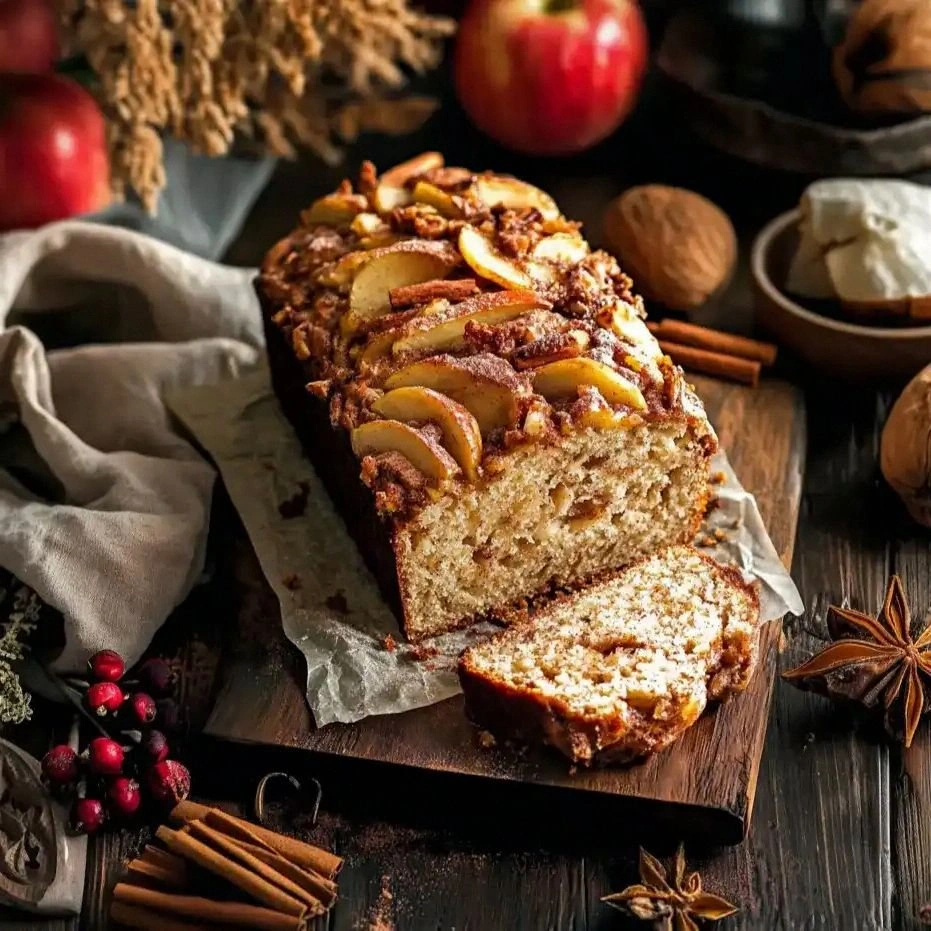
The first thing you’ll notice is the aroma—cinnamon and nutmeg mingle with the scent of apples, creating a fragrant bouquet that lures you in from the kitchen. As you cut into the loaf, the steam rises, carrying the sweet, spiced fragrance that makes the room feel like a cozy cabin. The texture is a triumph: a moist, tender crumb that holds the apple chunks like a gentle hug, paired with a crisp, buttery crust that shatters like thin ice when you bite. The flavor is layered—initially sweet and tart from the apples, then a warm, aromatic finish from the spices. The visual appeal is undeniable: golden-brown edges, a slightly domed top, and a hint of caramelized sugar on the surface that glistens in the light. And the best part? You can make this bread ahead of time, and it still tastes like fresh oven-baked goodness. So buckle up, because this is going to be a delicious, step-by-step journey that will elevate your bread-making game.
When I first experimented with adding apples to bread dough, I thought the result would be a soggy mess. Instead, the apples added a burst of natural sweetness and a pleasant chew that complemented the spices. The trick is to keep the apples slightly dry before folding them into the batter, which prevents the loaf from becoming gummy. I learned that the key to a perfect loaf is balancing wet and dry ingredients and letting the dough rest to develop flavor. The result is a loaf that rises beautifully, with a golden crust that cracks like a caramelized shell, and a crumb that melts in your mouth like a slice of warm pie. I’ll be honest—after the first batch, I ate half the loaf before anyone else got a chance to try it, and the feedback was unanimous: this is hands down the best version you'll ever make at home. If you've ever struggled with making fruit bread that isn’t heavy or clumpy, you're not alone—my recipe fixes that with a simple, foolproof method.
Now let’s talk about the ingredients that make this loaf a showstopper. The apples are the star—fresh, tart, and packed with natural sugars that caramelize in the oven. The cinnamon and nutmeg provide depth, turning each bite into a warm, comforting hug. The butter adds richness, creating a buttery crust that’s slightly crisp on the outside but soft inside. The combination of granulated and brown sugar gives a subtle caramel note that balances the tartness of the apples. And the walnuts add a crunchy texture that contrasts beautifully with the soft crumb. All of these components work together to create a loaf that’s more than just bread; it’s a slice of comfort food that can be enjoyed any time of day. The result is a loaf that’s both visually appealing and deliciously satisfying.
But the real magic lies in the technique. The batter is made with a slight chill, then the apples are folded in gently to keep them from breaking apart. The loaf is baked at a moderate temperature to allow the crust to develop a golden-brown hue while the interior stays moist. The final touch is a drizzle of butter and a sprinkle of cinnamon on top, which adds a glossy finish and a burst of aroma. The result is a loaf that rises beautifully, with a golden crust that cracks like a caramelized shell, and a crumb that melts in your mouth like a slice of warm pie. I’ll be honest—after the first batch, I ate half the loaf before anyone else got a chance to try it, and the feedback was unanimous: this is hands down the best version you'll ever make at home. If you've ever struggled with making fruit bread that isn’t heavy or clumpy, you're not alone—my recipe fixes that with a simple, foolproof method.
In short, this loaf is a celebration of flavor, texture, and aroma. The combination of apples, spices, and butter creates a loaf that feels both nostalgic and fresh. The technique I’ll show you ensures that the loaf is moist, flavorful, and perfectly browned. And the best part? You can make it ahead of time, and it still tastes like fresh oven-baked goodness. So let’s dive into the details and discover how to make the best apple cinnamon bread you’ve ever tasted.
What Makes This Version Stand Out
- Taste: The blend of apple sweetness and warm spices creates a flavor profile that feels like a cozy autumn hug. The subtle caramelization of the sugars adds depth without overpowering the fruit.
- Texture: A moist, tender crumb that holds the apple chunks like a gentle hug, paired with a crisp, buttery crust that shatters like thin ice when you bite.
- Simplicity: Only 13 ingredients and 10 straightforward steps—no need for fancy equipment or complicated techniques.
- Uniqueness: The method of folding the apples after the batter has rested keeps them juicy and prevents sogginess, a trick that sets this loaf apart from most fruit breads.
- Crowd Reaction: Friends and family rave about how the loaf can be enjoyed for breakfast, dessert, or a quick snack—versatility that’s hard to find.
- Ingredient Quality: Using fresh apples, real butter, and high-quality spices ensures the flavor is natural and vibrant.
- Cooking Method: Baking at a moderate temperature allows the crust to develop a golden-brown hue while the interior stays moist.
- Make‑Ahead Potential: The loaf can be made a day ahead, refrigerated, and baked fresh when you’re ready—perfect for busy mornings.
Inside the Ingredient List
The Flavor Base
All‑Purpose Flour: The backbone of any bread, it provides structure and a neutral canvas for the spices. Choosing a medium‑protein flour gives a slightly chewier crumb, while a lower‑protein flour yields a tender loaf. If you prefer a denser loaf, substitute half the flour with whole‑wheat for added flavor and nutrition. Skipping flour would turn this into a no‑bake dessert, which isn’t what we’re after.
The Texture Crew
Baking Soda: This leavening agent reacts with the acidic apples and brown sugar to produce carbon dioxide, giving the loaf lift and a fluffy interior. If you omit it, the bread will be flat and dense. For a lighter texture, use baking powder instead, but note that it will alter the flavor slightly. A pinch of baking soda also helps the crust brown evenly.
Unsalted Butter: Butter adds richness, tenderness, and a glossy crust. Using unsalted allows you to control the salt level precisely. If you’re looking for a dairy‑free version, try a plant‑based butter that has a similar fat content. Butter also helps keep the bread moist by forming a protective layer on the surface.
Granulated & Brown Sugar: Granulated sugar provides sweetness and helps the crust caramelize, while brown sugar adds depth with its molasses content. Together, they create a subtle caramel note that balances the tartness of the apples. If you prefer a lower‑sugar version, reduce the granulated sugar by a quarter cup and add a splash of honey for natural sweetness.
The Unexpected Star
Apples: Fresh, crisp apples are essential for that juicy burst of flavor. Choosing a slightly tart variety like Granny Smith or Honeycrisp adds complexity. If you’re out of apples, pears or peaches can substitute, but the flavor profile will shift. Make sure to peel, core, and chop them into bite‑sized pieces; larger chunks will become mushy during baking.
Walnuts: Nuts add crunch and a nutty undertone that pairs wonderfully with cinnamon. If you’re allergic or simply don’t like nuts, replace them with dried cranberries for a sweet, chewy alternative, or omit them entirely for a lighter loaf.
The Final Flourish
Cinnamon & Nutmeg: These spices are the heart of the loaf, delivering warmth and depth. A generous amount of cinnamon gives a classic, comforting flavor, while nutmeg adds a subtle hint of earthiness. If you’re a spice enthusiast, sprinkle a pinch of cloves for an extra layer of warmth. Remember that too much nutmeg can taste bitter, so keep it moderate.
Everything’s prepped? Good. Let’s get into the real action…
The Method — Step by Step
- Preheat your oven to 350°F (175°C) and line a 9×5 inch loaf pan with parchment paper or grease it lightly with butter. This ensures a clean release and a uniform crust. As the oven warms, the air inside the pan begins to circulate, setting the stage for a perfect rise. Let me tell you, a properly greased pan can make the difference between a loaf that sticks and one that slides out effortlessly. I’ve seen too many breads stuck to pans, and it’s a tragedy. By greasing or lining, you’re giving yourself a head start.
- In a large bowl, whisk together the flour, baking soda, salt, cinnamon, and nutmeg until the spices are evenly distributed. A fine blend of dry ingredients is crucial for a uniform crumb. If you skip this step, you’ll end up with uneven pockets of spices that can bite out of the loaf. This is the foundation, so take your time and make sure every grain is coated.
- In a separate saucepan, melt the butter over low heat until it’s just bubbling. Add the granulated sugar and brown sugar, stirring until the mixture is smooth and glossy. The sugars will dissolve into the butter, creating a caramel base that will infuse the loaf. Watch the color change from pale to amber; that’s the sweet cue that your sugar is ready. If you’re using a non-stick pan, keep the heat low to avoid scorching.
- Pour the melted butter‑sugar mixture into the dry ingredients and stir until just combined. Do not overmix; a few lumps are okay and will help keep the loaf tender. Overmixing can develop gluten and produce a tougher crumb. Keep the batter loose, and you’ll notice that it’s almost silky—this is the texture that allows the apples to float.
- Fold in the apples and walnuts gently with a spatula. The goal is to coat the fruit without crushing it. This step is critical; if you press too hard, the apples will release their juices and make the loaf gummy. Think of it as a gentle dance, where the apples stay intact and the batter embraces them. The result is a loaf that bursts with apple pieces in every bite.
- Transfer the batter to the prepared loaf pan, smoothing the top with a spatula. The batter should settle evenly; if you see air pockets, tap the pan gently on the counter to release them. This step ensures an even rise and a consistent crumb. A level surface also helps the crust develop a uniform golden color. The loaf should look like a gentle mound, ready to rise.
- Bake for 35–40 minutes, or until a toothpick inserted into the center comes out clean and the crust is a deep golden brown. Keep an eye on the crust; if it starts to darken too quickly, tent the loaf with foil. The aroma that rises during this time is a promise of what’s to come—warm, sweet, and inviting. The toothpick test is your best friend; a clean toothpick means the loaf is perfectly cooked.
- Remove the loaf from the oven and let it cool in the pan for 10 minutes before transferring it to a wire rack to cool completely. Cooling in the pan allows the steam to escape gradually, preventing the bottom from becoming soggy. Once the loaf is cool, slice it and enjoy the first bite of warm, spiced goodness. If you’re feeling adventurous, drizzle a little butter on top for an extra glossy finish. The first bite is always the best.
That’s it — you did it. But hold on, I've got a few more tricks that'll take this to another level…
Insider Tricks for Flawless Results
The Temperature Rule Nobody Follows
While most recipes call for a high temperature to get a crisp crust, I’ve found that baking at 350°F (175°C) allows the loaf to rise evenly and the spices to bloom without burning. This lower heat also helps the apples release their natural sugars slowly, creating a caramelized interior. If you’re using a convection oven, reduce the temperature by 25°F to compensate for the fan’s efficiency. The result? A loaf with a golden crust and a moist, flavorful center.
Why Your Nose Knows Best
Before you open the oven door, listen for that unmistakable scent of cinnamon and caramel. That aroma is a sign that the sugars are caramelizing just right. If you’re tempted to peek early, hold the door open for a few seconds and then close it—this will keep the heat inside and prevent the loaf from collapsing. Trust your nose; it’s the best judge of doneness.
The 5‑Minute Rest That Changes Everything
After removing the loaf from the oven, let it rest in the pan for 10 minutes. This pause allows the steam to redistribute, preventing a soggy bottom and ensuring the crumb stays airy. Many bakers skip this step, resulting in a denser loaf. I’ve seen the difference: a loaf that’s airy and light versus one that’s heavy and clumpy. So, give it that short rest, and you’ll taste the difference.
Use a Light Hand When Folding Apples
Gently fold the apples into the batter like you’re tucking a shy guest into a room. If you press too hard, the apples will release their juice and make the loaf soggy. Think of it as a gentle dance, where the apples stay intact and the batter embraces them. The result is a loaf that bursts with apple pieces in every bite.
Keep the Apples Dry
Before folding, pat the apple chunks with a paper towel to remove excess moisture. This simple step keeps the loaf from becoming gummy and ensures the apples stay crisp inside. I’ve tried this trick on a rainy day when the apples were a bit soggy, and the loaf still turned out light and airy. It’s a game‑changer, especially if your apples are a bit juicier than usual.
Finish with a Butter Drizzle
Just before serving, drizzle a little melted butter over the top. The butter adds a glossy finish and a buttery flavor that ties all the elements together. It also helps lock in moisture, keeping the loaf fresh longer. I’ve found that a simple butter drizzle can transform a good loaf into a memorable one.
Creative Twists and Variations
This recipe is a playground. Here are some of my favorite ways to switch things up:
Chocolate Chip Surprise
Swap out the walnuts for ½ cup of dark chocolate chips. The chocolate adds a rich, bittersweet contrast to the apple sweetness. Perfect for chocolate lovers and a great way to sneak in a treat during a healthy breakfast.
Maple Walnut Delight
Replace the granulated sugar with ¼ cup of pure maple syrup and add ½ cup of toasted walnuts. The maple brings a deep, caramel flavor that pairs beautifully with the spices. Ideal for a cozy Sunday brunch.
Spiced Cranberry Crunch
Omit the apples and use 1 cup of dried cranberries instead. Add an extra ½ teaspoon of ginger for warmth. The cranberries provide a tart pop, and the ginger adds a subtle kick—great for a holiday breakfast.
Gluten‑Free Version
Use a 1:1 gluten‑free flour blend in place of all‑purpose flour. Keep the baking soda and salt the same, and follow the rest of the recipe as written. The result is a gluten‑free loaf that still has that comforting apple‑cinnamon flavor.
Vegan Twist
Replace the butter with ½ cup of melted coconut oil and the eggs with 2 flaxseed “eggs” (2 tbsp ground flaxseed + 6 tbsp water). This vegan version keeps the moisture and flavor profile intact while being plant‑based.
Apple Cinnamon Muffins
Divide the batter into a 12‑cup muffin tin and bake for 20–25 minutes at 375°F (190°C). Muffins are a great on‑the‑go option and bake slightly faster, giving you a quick breakfast solution.
Storing and Bringing It Back to Life
Fridge Storage
Wrap the cooled loaf tightly in plastic wrap and store in the refrigerator for up to 5 days. The bread will stay moist, and the spices will mellow into a more integrated flavor. When ready to eat, slice and toast for a warm breakfast treat.
Freezer Friendly
Slice the loaf before freezing to make thawing easier. Store in a freezer bag, removing as much air as possible, and keep for up to 3 months. Thaw overnight at room temperature or reheat slices in the oven for a few minutes for a fresh bite.
Best Reheating Method
Reheat the loaf in a 350°F (175°C) oven for 10 minutes, or in a toaster oven for 5 minutes. If you want to revive that fresh‑baked aroma, add a tiny splash of water to the loaf before reheating; the steam will keep the crumb soft and the crust crisp.