Okay, picture this: it’s a rainy Saturday, the kind that makes you want to curl up with a blanket, a good book, and something that smells like sunshine breaking through clouds. I was standing in my kitchen, half‑heartedly scrolling through endless muffin recipes, when a friend dared me to “make something that actually uses my sourdough starter discard without turning it into a boring loaf.” I laughed, I scoffed, and then I thought, “What if I could combine that tangy starter with blueberries, lemon, and poppy seeds, and end up with a muffin that feels like a hug from your grandma and a high‑five from a professional baker at the same time?” That moment sparked the birth of this recipe, and trust me, it was the best kitchen experiment I’ve ever had.
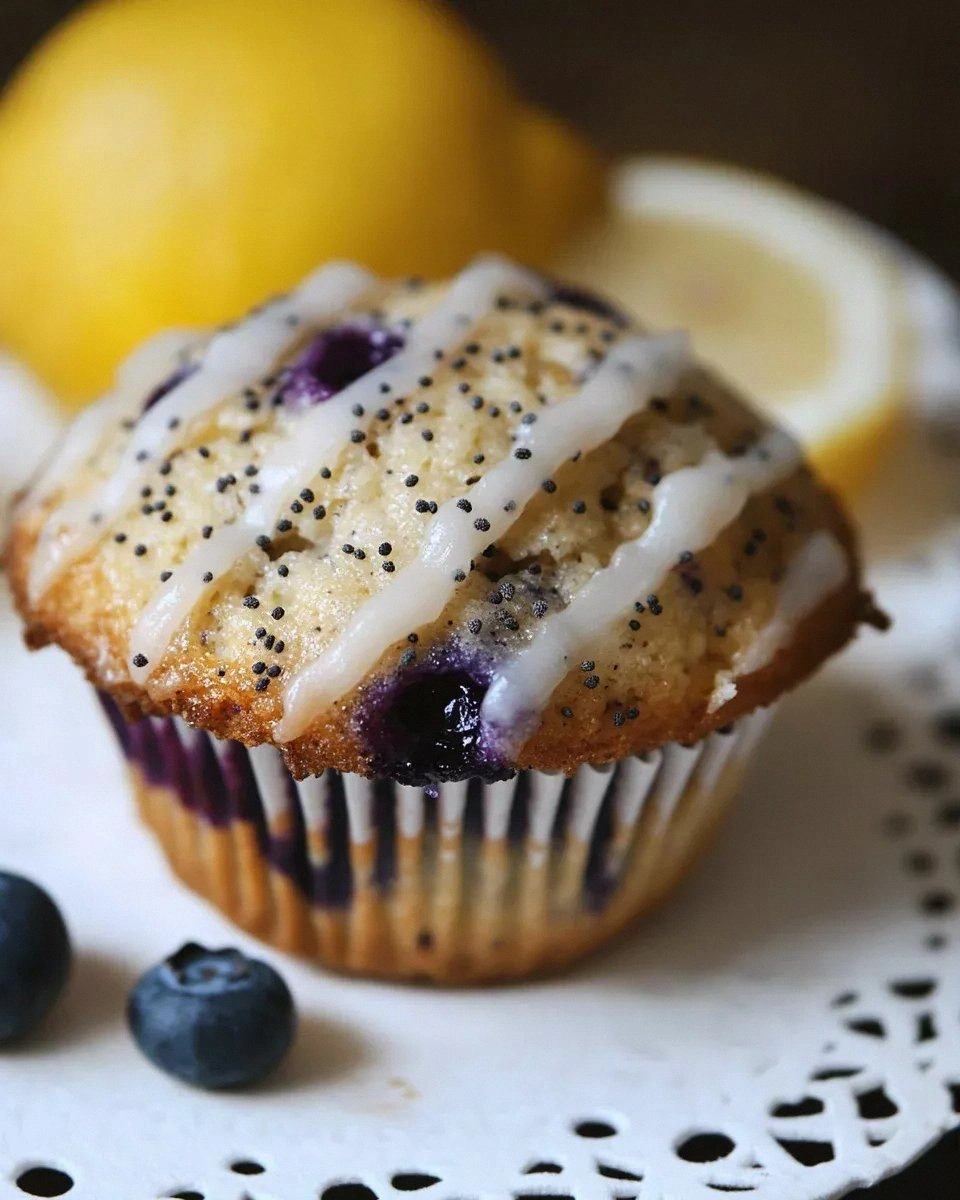
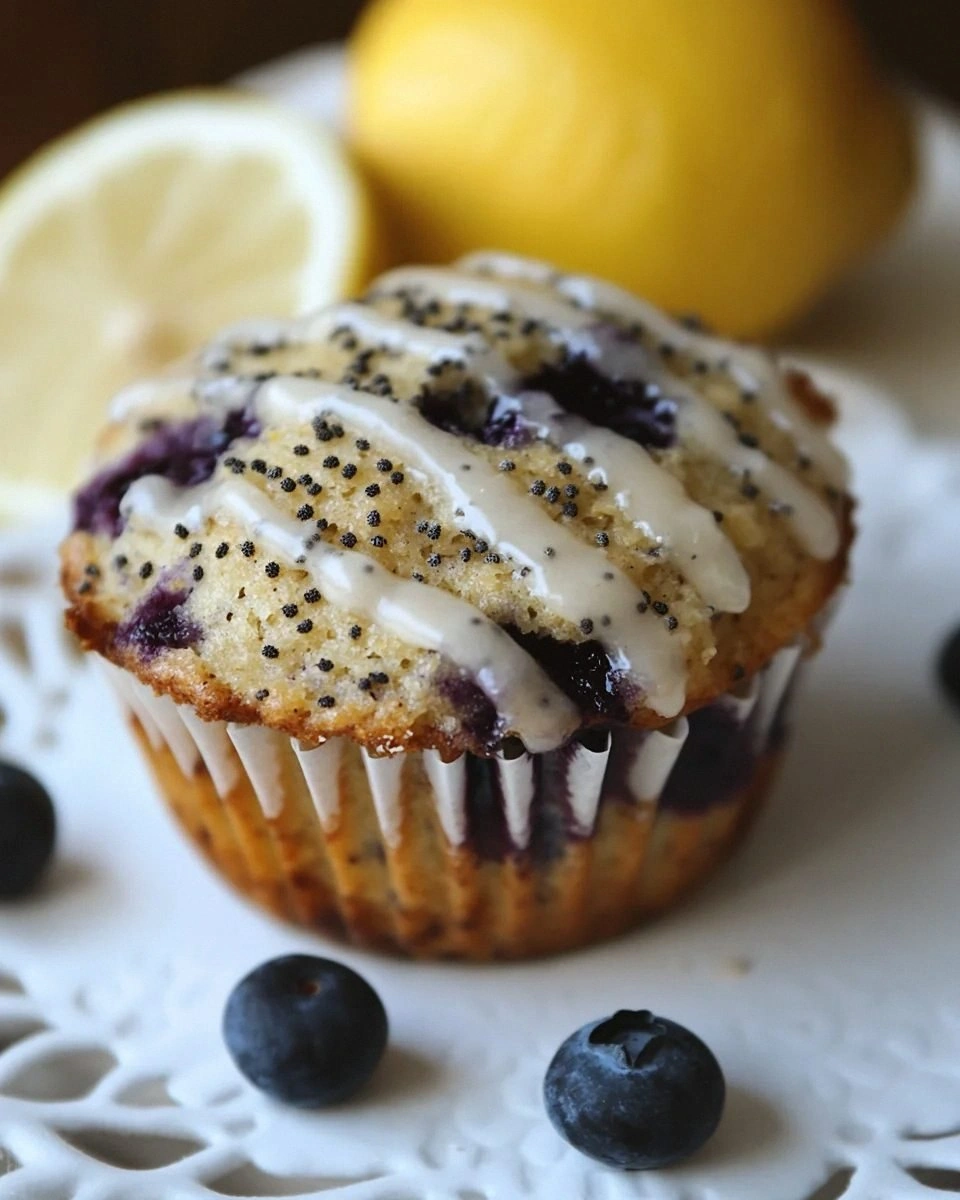
The first thing that hit me when I pulled the batter out of the bowl was the bright, citrusy aroma that danced with the sweet perfume of fresh blueberries. It was as if a summer garden had crashed a cozy bakery party, and the poppy seeds were the confetti. The texture? Imagine a muffin that’s tender on the inside, with a slight crumbly bite that reminds you of a classic scone, yet it rises with the airy lift only a well‑fed sourdough starter can provide. When the timer dinged, the tops were a golden‑brown canvas speckled with tiny black seeds, and the edges had just the right amount of crispness that makes you want to bite into them immediately.
Most blueberry‑lemon muffins out there either drown in sugar or end up dry and dense. Most poppy‑seed recipes forget the bright zing of lemon, and most sourdough muffins feel like a side‑project rather than the star of the show. This version flips the script on all of those mistakes. The secret? A balanced blend of two sugars (brown and white) that caramelize just enough to give a subtle crunch, a splash of fresh lemon juice that cuts through the richness, and a disciplined use of the starter discard that adds depth without overpowering. I’m daring you to taste this and not go back for seconds—because you will.
I’ll be honest — I ate half the batch before anyone else got a chance to try it, and that’s a testament to how addictive these muffins are. The technique that sets this apart is the “double‑fold” method: first you mix the dry and wet ingredients separately, then you gently fold in the blueberries at the very end to keep them plump and bursting. It’s a small step, but it makes a world of difference. Let me walk you through every single step — by the end, you’ll wonder how you ever made it any other way.
What Makes This Version Stand Out
- Tangy Depth: The sourdough starter discard adds a subtle, fermented tang that elevates the flavor profile beyond ordinary muffins.
- Citrus Pop: Fresh lemon zest and juice give a bright, sunny punch that cuts through the sweetness and keeps the palate refreshed.
- Berry Burst: Using whole blueberries ensures juicy pockets of fruit that explode with flavor on every bite.
- Seeded Surprise: Poppy seeds add a gentle crunch and a nutty undertone that pairs perfectly with lemon.
- Dual Sweetness: A blend of brown and white sugars creates a caramelized crust while keeping the interior tender.
- Simple Prep: Only a few bowls, a gentle folding technique, and you’re set—no fancy equipment required.
- Make‑Ahead Magic: The batter can sit for up to an hour, allowing the starter to work its magic before baking.
- Universal Appeal: Whether you’re feeding kids, impressing brunch guests, or craving a comforting snack, these muffins win every time.
Inside the Ingredient List
The Flavor Base
All‑purpose flour is the canvas for any great muffin. In this recipe we use two separate measurements: the first forms the main structure, while the second, added later, helps create a slightly crisper top. If you can, opt for a high‑quality, unbleached flour; it retains a natural sweetness that complements the blueberries. Skipping the flour or substituting with a gluten‑free blend will change the texture dramatically, making the muffins denser.
Baking powder and baking soda work together like a dynamic duo—one provides lift, the other neutralizes acidity from the lemon and the starter. Using too much baking soda will give a metallic aftertaste, while too little will result in a flat muffin. A reliable double‑acting powder is essential for that consistent rise.
Salt (first mention) is the unsung hero that amplifies every other flavor. A pinch too much can make the muffin taste briny, but a pinch too little leaves the sweetness one‑dimensional. I always use sea salt for a subtle crunch.
The Texture Crew
Poppy seeds add a delicate crunch and a visual pop that makes the muffin look bakery‑ready. They also absorb a tiny bit of moisture, helping the crumb stay moist longer. If you’re allergic, you can swap them for chia seeds, but expect a slightly different texture.
Sugar (white) sweetens the batter and encourages browning. It’s paired with brown sugar, which brings a hint of molasses that deepens the flavor. Using only one type of sugar will make the crumb either too crisp or too soft.
Lemon zest is where the aromatic oils live. Grate the zest directly over the bowl to capture the most volatile oils; this small step makes the lemon flavor sing. If you skip zest and only use juice, you’ll miss that bright, fragrant edge.
The Unexpected Star
Sour cream adds richness and a tender crumb, while its slight acidity balances the lemon. It also works with the starter to create a more complex flavor. If you substitute Greek yogurt, the texture will be a tad tangier and denser.
Sourdough starter discard is the secret weapon. It brings a subtle sour note that makes the sweet and citrus flavors pop. Don’t be afraid of the smell—once baked, it disappears, leaving behind a nuanced depth.
Unsalted butter (first mention) is melted and folded in for moisture. Using unsalted lets you control the salt level precisely. If you use salted butter, reduce the added salt by half.
Fresh lemon juice (first mention) brightens the batter and reacts with the baking soda to create lift. A squeeze of juice right before baking can revive any flat‑looking muffins.
The Final Flourish
Eggs provide structure and trap air, giving the muffins their lift. Using room‑temperature eggs ensures they blend smoothly with the butter and sour cream.
Vanilla extract adds a warm, aromatic backdrop that ties the lemon and blueberry together. A good quality pure vanilla makes a noticeable difference.
Fresh blueberries are the heart of the muffin. Pat them dry before folding in to prevent the batter from turning purple and soggy. If you use frozen berries, toss them in a little flour to keep them from sinking.
Cinnamon (single teaspoon) gives a whisper of spice that rounds out the lemon’s acidity. Too much cinnamon would dominate, so keep it modest.
Salt (second mention) is intended for the glaze—just a pinch to balance the sweetness of the powdered sugar.
Unsalted butter (second mention) is melted and mixed with powdered sugar and lemon juice for a glossy glaze that adds a final burst of flavor.
Powdered sugar creates a silky glaze that sets quickly, giving each muffin a polished look.
Fresh lemon juice (second mention) is mixed into the glaze for that zingy finish that makes the muffins taste fresh even after cooling.
Everything's prepped? Good. Let's get into the real action…
The Method — Step by Step
Preheat your oven to 375°F (190°C) and line a 12‑cup muffin tin with paper liners. While the oven warms, whisk together the first batch of all‑purpose flour, baking powder, baking soda, and the first salt in a large bowl. This dry blend should look uniform, with no clumps—think of it as the foundation of a skyscraper.
Kitchen Hack: Sift the dry ingredients together; it aerates the flour and prevents a heavy muffin.In a separate bowl, combine the white sugar, brown sugar, and unsalted butter (first batch). Beat until the mixture is light and fluffy, about 2 minutes. This is the moment where the butter starts to whisper promises of tenderness.
Add the eggs one at a time, beating well after each addition. Then stir in the vanilla extract, fresh lemon juice (first), and lemon zest. The batter should thicken slightly and emit a citrus perfume that makes you want to inhale deeply.
Fold in the sour cream and the sourdough starter discard. The batter will look a bit lumpy, and that’s exactly what you want—over‑mixing would develop gluten and make the muffins tough.
Watch Out: If the batter looks too runny, add a tablespoon of the second flour batch; too thick and the muffins will be dense.Now gently stir the dry mixture into the wet ingredients, using a rubber spatula and a folding motion. Stop as soon as the flour disappears; a few streaks are okay. This step is pure magic—the batter should be thick enough to hold a blueberry without it sinking.
Add the poppy seeds, cinnamon, and the second batch of all‑purpose flour (the extra half‑cup). Fold gently. Then, in a separate small bowl, toss the fresh blueberries with a teaspoon of the extra flour—this prevents them from bleeding too much.
Fold the floured blueberries into the batter just moments before filling the tins. The batter should look speckled with purple gems. Fill each muffin cup three‑quarters full; the batter will rise dramatically, creating those coveted domed tops.
Kitchen Hack: Use an ice‑cream scoop (about 1/4 cup) for perfectly even portions.Slide the tin into the oven. Bake for 18‑22 minutes, or until the tops are a deep golden‑brown and a toothpick inserted into the center comes out clean (a few moist crumbs are okay). You’ll know they’re done when the edges start to pull away from the pan, and the scent of lemon and poppy seeds fills the kitchen.
While the muffins cool for 5 minutes, whisk together the second unsalted butter, powdered sugar, and the second fresh lemon juice to make a glossy glaze. Drizzle the glaze over the warm muffins; it will set into a thin, shiny coating that adds an extra burst of citrus.
That's it — you did it. But hold on, I've got a few more tricks that'll take this to another level…
Insider Tricks for Flawless Results
The Temperature Rule Nobody Follows
Never bake muffins straight from a cold fridge. Let the batter sit at room temperature for at least 10 minutes before sliding it into the oven. The slight warming helps the starter become more active, giving you a higher rise. I once tried skipping this step, and the muffins came out flat as pancakes—trust me, it’s a deal‑breaker.
Why Your Nose Knows Best
Instead of watching the clock obsessively, trust your nose. When the muffins start to smell like toasted almond and lemon zest, they’re on the cusp of perfection. If you open the oven too early, you’ll lose heat and cause the tops to collapse. So, keep the door closed, inhale deeply, and let the aroma be your timer.
The 5‑Minute Rest That Changes Everything
After baking, let the muffins rest on a wire rack for exactly five minutes before glazing. This short pause allows the interior steam to settle, preventing the glaze from soaking in and making the muffin soggy. A friend once glazed them immediately, and the result was a gummy top that ruined the whole batch.
Glaze Temperature Trick
Warm the glaze just until it’s liquid but not hot. A glaze that’s too hot will melt the crumb; too cold and it will set unevenly. Microwaving for 10 seconds works wonders.
The Double‑Fold Method
Fold the dry ingredients into the wet, then fold the blueberries last. This two‑stage folding ensures the batter stays airy and the berries stay intact. If you toss everything together in one go, you’ll end up with a purple‑stained batter and a denser crumb.
Creative Twists and Variations
This recipe is a playground. Here are some of my favorite ways to switch things up:
Berry Medley Madness
Swap half the blueberries for raspberries and a quarter for blackberries. The tartness of the raspberries balances the lemon, while the blackberries add a deep, almost wine‑like flavor. Perfect for a summer brunch.
Nutty Crunch
Add ¼ cup toasted chopped almonds or pistachios to the batter. The nuts provide a satisfying crunch that contrasts the soft crumb, and the buttery flavor pairs beautifully with lemon.
Spiced Autumn
Replace the lemon zest with orange zest and add a pinch of nutmeg. The warm spices turn the muffins into a cozy, fall‑ready treat while still keeping the poppy seed texture.
Vegan Velvet
Swap the eggs for flax “egg” (1 tbsp ground flax + 3 tbsp water per egg) and use coconut yogurt instead of sour cream. Use a plant‑based butter substitute. The result is just as fluffy, with a subtle coconut note.
Gluten‑Free Glory
Use a 1:1 gluten‑free flour blend and add a tablespoon of xanthan gum. The texture remains tender, and the poppy seeds still give that signature bite.
Storing and Bringing It Back to Life
Fridge Storage
Place the cooled muffins in an airtight container and store them in the refrigerator for up to 5 days. The glaze will keep its shine, and the crumb stays moist. Before serving, let them sit at room temperature for 10 minutes or gently warm them.
Freezer Friendly
Wrap each muffin individually in plastic wrap, then place them in a zip‑top bag. They’ll freeze beautifully for up to 3 months. When you’re ready to eat, microwave for 30 seconds, then add a tiny splash of water and cover with a damp paper towel for an extra 30 seconds—this steams them back to perfection.
Best Reheating Method
For a crisp top, preheat your oven to 350°F (175°C), place the muffins on a baking sheet, and heat for 8‑10 minutes. Add a teaspoon of fresh lemon juice on the glaze before reheating for an extra zing. The result is almost as good as fresh‑out‑of‑the‑oven.