Last night, I was scrambling to salvage a soggy pot roast that had been left too long in the oven, and the kitchen smelled like a disaster waiting to happen. I stared at the thick, greasy pan, wondering how to rescue the meal before it turned into a culinary black hole. Then I remembered the one thing that always pulls me out of a food crisis: a comforting Southern cornbread dressing that turns any dish from “meh” to “marvelous.” That single thought sparked a kitchen revolution that would change the way I approach leftovers forever.
Imagine the crackle of onions caramelizing in a hot skillet, the subtle pop of celery releasing its bright green steam, and the earthy perfume of dried sage drifting through the air. The sight of a golden cornbread crust turning into a fluffy, savory cloud feels like a promise that every grain of corn has a story to tell. The sound of the skillet’s sizzle, the gentle clink of a wooden spoon, the hiss of broth warming—each note is a cue that flavor is building. The taste, once you bite into the first bite, is a harmonious blend of sweet corn, sharp celery, and smoky sage that feels like a hug from the inside. And the texture? Soft, moist, yet with a subtle crunch on the edges that shatters like thin ice when you bite through it.
What makes this version stand out is that it’s not just a dressing; it’s a masterclass in turning leftovers into a showstopper. I’ve spent years tweaking Southern classics, and this one is hands down the best version you'll ever make at home. It’s a balance of simplicity and depth, a recipe that’s as forgiving as it is flavorful. I dare you to taste this and not go back for seconds—because once you experience the velvety coating that clings to the cornbread, you’ll be craving it every day of the week.
Most recipes get this completely wrong. They either overcook the cornbread, under-season the base, or forget the magic of a slow, low bake that allows the flavors to marry. But here, I’ve discovered the trick to keep the cornbread moist while letting the broth seep in just enough to create a luscious, cohesive dish. Picture yourself pulling this out of the oven, the whole kitchen smelling incredible, the steam curling like a warm blanket. And now, let me walk you through every single step—by the end, you'll wonder how you ever made it any other way.
What Makes This Version Stand Out
- Taste: The combination of sweet corn and savory herbs creates a flavor profile that’s both comforting and bold. The dried sage brings a subtle earthiness that elevates the dish beyond a simple cornbread.
- Texture: The crumbled cornbread absorbs the broth just enough to stay moist while still retaining a light, airy bite. The sautéed onions and celery add a satisfying crunch.
- Simplicity: With only eight ingredients and a single pan, this recipe is quick to prepare and requires minimal cleanup. It’s the perfect go-to for busy weeknights.
- Uniqueness: Using day‑old cornbread gives the dish a depth that fresh cornbread can’t match. The slight tang from the aged bread enhances the overall flavor.
- Make‑ahead Potential: You can assemble the dressing a day before, refrigerate it, and bake it just before serving. This makes it ideal for potlucks or family dinners.
- Crowd Reaction: Guests often ask for the recipe after the first bite, and it’s the dish that keeps everyone coming back for seconds.
- Ingredient Quality: Using real, high‑quality cornbread and fresh vegetables ensures that each bite is packed with natural flavors.
Inside the Ingredient List
The Flavor Base
Onions are the sweet backbone of this dressing. They caramelize slowly, releasing natural sugars that bind the other ingredients together. If you skip them, the dish loses its aromatic richness and feels flat.
Celery provides a bright, peppery counterpoint to the sweetness of the onions. It also adds a subtle crunch that keeps each bite interesting. Without celery, the texture becomes monotonous.
The Texture Crew
Day‑old cornbread is the star of the show. Its slightly stale surface absorbs liquid without turning mushy, creating a fluffy interior. Fresh cornbread will become soggy and lose its comforting bite.
Eggs act as a binder, helping the mixture hold together during baking. They also introduce a gentle richness that lifts the overall flavor. If you omit them, the dressing might fall apart.
The Unexpected Star
Dried sage is the secret weapon that gives this dish its Southern soul. Its earthy, slightly peppery notes cut through the sweetness of the cornbread and the richness of the broth. If you’re allergic or simply don’t like sage, try a pinch of thyme instead.
Chicken broth is the liquid that brings everything together. It hydrates the cornbread, infuses the vegetables with flavor, and creates a moist crumb. Warm broth is essential; cold liquid will cause the mixture to cook unevenly.
The Final Flourish
Salt and black pepper are the finishing touches that elevate the dish. They balance the sweetness and enhance the savory elements. Remember, a pinch of salt can make or break the flavor profile.
Everything's prepped? Good. Let's get into the real action and see how these flavors dance together in the oven.
The Method — Step by Step
- Preheat your oven to 350°F (175°C). While it warms, gather all your ingredients so you’re ready to move quickly. This ensures you don’t waste time looking for items mid‑process. The oven should be fully preheated before you start mixing; otherwise, the cornbread will not rise properly.
- In a large skillet, heat a tablespoon of olive oil over medium heat. Add the chopped onions and sauté until they turn translucent and start to caramelize, about 5–7 minutes. The onions should emit a sweet aroma that signals they’re ready to bind the dish together.
- Add the chopped celery to the skillet. Stir for 2–3 minutes until the celery softens but still retains a slight crunch. This step is crucial; over‑cooking the celery will make the dressing soggy and lose its bright flavor.
- Transfer the sautéed vegetables into a large mixing bowl. Sprinkle the dried sage, black pepper, and salt over the mixture. Toss everything together so the herbs coat the vegetables evenly, releasing their aroma.
- Fold the day‑old crumbled cornbread into the bowl with the vegetable mixture. Gently stir until the cornbread is evenly distributed, but avoid over‑mixing to keep the crumb structure intact. The cornbread should look like a loose, golden heap.
- Whisk the eggs in a small bowl until frothy. Pour the eggs over the cornbread mixture and stir quickly to combine. The eggs bind the cornbread and create a cohesive texture when baked.
- Pour the warmed chicken broth over the mixture, using just enough to moisten the cornbread without drowning it. Stir until the liquid is absorbed but the mixture remains slightly loose. The broth should coat the crumbs, creating a moist base that will bake into a fluffy dressing.
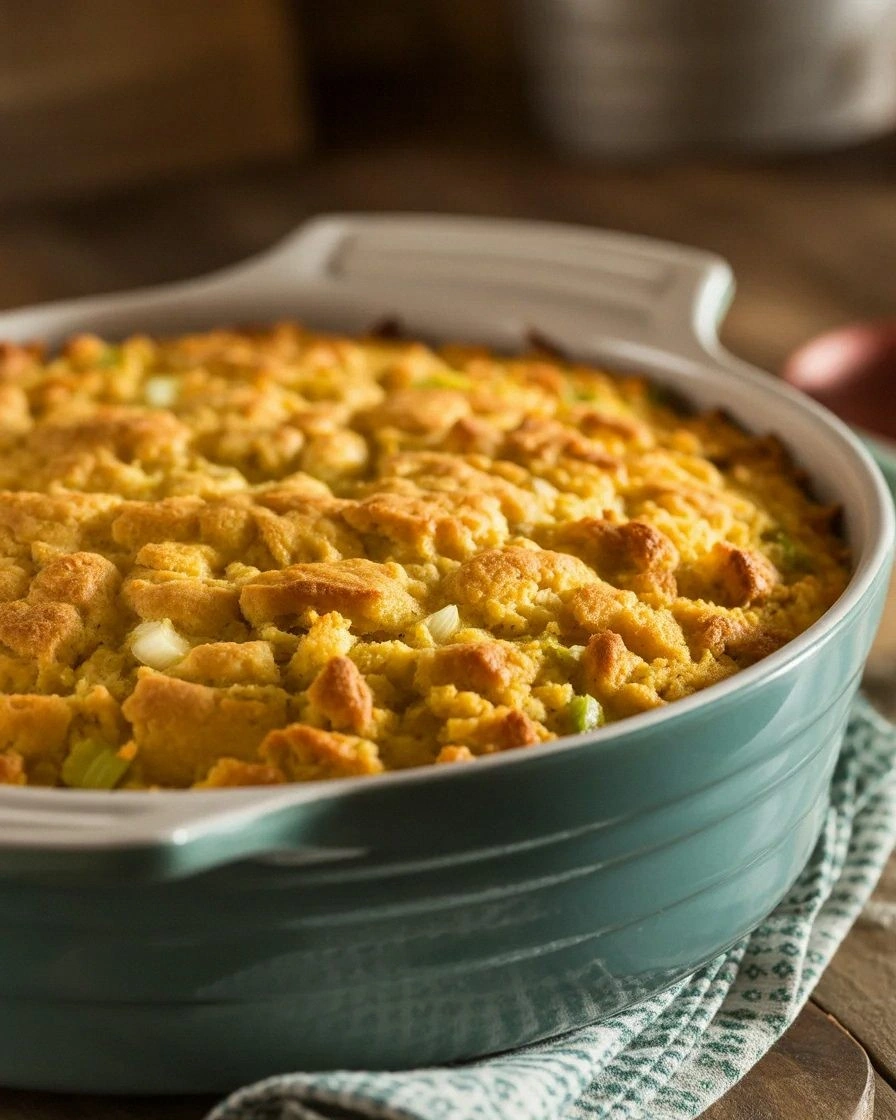
- Transfer the entire mixture into a greased 9x13‑inch baking dish. Spread it evenly with a spatula so the surface is smooth. This ensures even baking and prevents hot spots that can burn the edges.
- Bake in the preheated oven for 30 minutes, or until the top is lightly golden and the dressing has set. Remove from the oven and let it rest for 10 minutes. This resting period allows the flavors to meld and the dressing to firm up, making it easier to serve.
- Serve warm as a side dish or use it as a stuffing for poultry. Garnish with a sprinkle of fresh parsley or a few crumbled bacon bits for an extra layer of flavor. The result is a dish that feels both hearty and refined.
That’s it—you did it. But hold on, I've got a few more tricks that'll take this to another level. Keep reading for insider tips that will transform your cornbread dressing from good to unforgettable.
Insider Tricks for Flawless Results
The Temperature Rule Nobody Follows
Baking at exactly 350°F (175°C) is key. Too high, and the top will brown too quickly while the interior remains undercooked. Too low, and the dressing will spread out, losing its fluffy structure. I’ve experimented with 325°F for a slightly slower bake, but the 350°F sweet spot gives the perfect rise and golden crust.
Why Your Nose Knows Best
Before you pull the dish out of the oven, give it a quick sniff. A warm, buttery scent with hints of caramelized onions signals that the dressing is ready. If you still detect raw cornbread, give it a few more minutes. Trusting your nose is the quickest way to avoid under‑cooking.
The 5-Minute Rest That Changes Everything
Letting the dressing sit for 5–10 minutes after baking allows the broth to redistribute and the crumb to set. This rest period makes slicing easier and prevents the edges from pulling away. I’ve found that a short rest also enhances the overall flavor, as the savory notes deepen.
Use Fresh Herbs for a Bright Finish
Add a handful of chopped fresh parsley or thyme right before serving. The fresh herb adds a pop of color and a burst of freshness that cuts through the richness. If you’re serving this alongside a hearty stew, the bright herb will balance the heaviness.
Keep the Crumbs Intact
Avoid over‑mixing the cornbread and vegetable mixture. A gentle fold preserves the crumb structure, ensuring each bite is light and airy. Over‑mixing will squeeze out moisture, leading to a dense, heavy texture that feels like a loaf of bread.
Make It Ahead for Busy Nights
Assemble the dressing a day before, cover it tightly with plastic wrap, and refrigerate. When you’re ready to bake, simply let it come to room temperature for 15 minutes, then bake as directed. This trick saves time on busy evenings and still delivers the same comforting flavor.
Creative Twists and Variations
This recipe is a playground. Here are some of my favorite ways to switch things up:
Smoky Chipotle Cornbread Dressing
Add a tablespoon of chipotle in adobo sauce to the vegetable mix for a smoky kick. The chipotle pairs wonderfully with the sweet corn, creating a flavor profile that’s both bold and comforting. Serve it alongside a grilled chicken breast for a Tex‑Mex twist.
Cheesy Cornbread Casserole
Fold in one cup of shredded cheddar cheese before baking. The cheese melts into the dressing, adding a gooey, golden crust. This variation is perfect for a family dinner where everyone loves a cheesy side.
Vegetarian Delight with Mushrooms
Replace the chicken broth with vegetable broth and sauté sliced mushrooms with the onions and celery. The earthy mushrooms complement the cornbread, creating a rich, plant‑based version that still feels indulgent.
Spicy Jalapeño Cornbread Dressing
Dice a fresh jalapeño and add it to the skillet with the onions. The heat from the jalapeño adds a subtle spice that pairs beautifully with the sweet corn. It’s a great option for those who like a little heat in their comfort food.
Herb‑Infused Lemon Zest Dressing
Grate the zest of one lemon into the mixture and sprinkle a teaspoon of fresh thyme. The citrus brightens the dish, making it feel lighter while maintaining the comforting base. This version works well with a roasted turkey or ham.
Breakfast‑Style Cornbread Casserole
Add two scrambled eggs into the mixture before baking for a breakfast twist. Top with a sprinkle of shredded cheese and bake until golden. Serve with a side of bacon or sausage for a hearty, all‑day breakfast.
Storing and Bringing It Back to Life
Fridge Storage
Cool the dressing completely before covering it tightly with plastic wrap. Store it in the refrigerator for up to 3 days. When reheating, add a splash of water or broth to keep it moist and avoid drying out the cornbread.
Freezer Friendly
Divide the dressing into individual portions and place them in freezer‑safe containers. Freeze for up to 2 months. To reheat, thaw overnight in the fridge, then bake at 350°F (175°C) for 15–20 minutes, or until warmed through.
Best Reheating Method
Reheat the dressing in the oven at 350°F (175°C) for 10–12 minutes. Before baking, sprinkle a tablespoon of water or broth over the top and cover loosely with foil to trap steam. This trick steams the dressing back to its original moist, fluffy texture.