I still remember the night I tried to rescue a batch of overripe bananas that had been gathering dust in my fridge for weeks. The kitchen smelled like a tropical storm, the bananas were soft enough to dissolve in my palm, and my friend dared me to turn them into something edible. I laughed, grabbed a bowl, and declared, “This is going to be the most delicious disaster I’ve ever cooked.” The result was a loaf that melted on my tongue like a sun‑kissed caramel, and I was instantly hooked. That moment taught me that the simplest ingredients can create the most unforgettable flavors.
I’ve spent years experimenting with banana bread, but every recipe I found had a dozen components: sugar, eggs, baking powder, and the endless list of optional add‑ons. My kitchen, however, was a minimalist’s playground, and I craved a version that would fit into my busy schedule without sacrificing taste. I discovered the three‑ingredient formula that turned bananas, flour, and butter into a moist, buttery loaf that rises beautifully and smells like warm sunshine. The texture is airy yet dense enough to hold a spoonful of banana, and the flavor is pure, unadulterated banana sweetness. The best part? You can make it in less than an hour, and it never fails to impress anyone who tastes it.
Picture yourself pulling a golden loaf from the oven, the steam curling like a ribbon of clouds. The aroma fills the kitchen with a comforting, sweet note that instantly calms the nerves after a hectic day. The first bite is a burst of banana, followed by a subtle buttery finish that lingers on the palate. It’s the kind of comfort food that feels like a hug from an old friend, and it’s so simple you’ll wonder why you ever overcomplicated banana bread. If you’re skeptical, I dare you to taste this and not go back for seconds.
This version is hands down the best you’ll ever make at home, and it’s so forgiving that even first‑time bakers can nail it. I’ve tested it on a dozen different ovens, and it consistently comes out with a golden crust and a tender crumb. The trick lies in the quality of the bananas and the precise ratio of butter to flour. There’s no need for leavening agents; the bananas themselves provide enough lift for a perfect rise. By the end of this post, you’ll wonder how you ever made banana bread any other way.
What Makes This Version Stand Out
- Taste: The banana flavor is front and center, unmasked by sweeteners or spices. The natural sugars caramelize during baking, producing a rich, honey‑like aroma that fills the kitchen. The result is a loaf that feels indulgent yet wholesome.
- Texture: The crumb is moist, airy, and slightly dense, perfect for scooping with a spoon or slicing with a knife. The butter adds a velvety mouthfeel that lingers on the tongue. The loaf holds its shape without crumbling, even when sliced.
- Simplicity: Three ingredients, no measuring cups for sugar or eggs, and no separate mixing bowls. This recipe is ideal for busy mornings, late‑night cravings, or when you want to impress without the prep. It’s the ultimate “grab and go” option.
- Uniqueness: No baking powder or leavening agents, yet it rises beautifully thanks to the natural moisture of ripe bananas. The absence of eggs also makes it suitable for vegans or those with egg allergies. It’s a rare combination of ease and flavor.
- Crowd Reaction: Friends and family always ask for a second slice, and I’ve received compliments from strangers on the street. The loaf is so universally appealing that it works for breakfast, snack, or dessert. It’s the kind of bread that turns a casual gathering into a memorable moment.
- Ingredient Quality: The recipe rewards the use of ripe, fragrant bananas and high‑quality butter. Choosing organic or grass‑fed butter adds a subtle depth of flavor. The flour should be all‑purpose for a balanced crumb.
- Cooking Method: No pre‑mixing, no whisking, no beating. Just mash, mix, pour, and bake. The simplicity reduces the chance of over‑mixing and keeps the process fun.
- Make‑Ahead Potential: The loaf keeps well for up to five days in the refrigerator and can be frozen for longer storage. Reheating restores the moistness and flavor, making it a versatile option for meal planning.
Inside the Ingredient List
The Flavor Base
Bananas are the star of the show, providing natural sweetness, moisture, and a subtle earthiness that grounds the loaf. The ripe bananas should be soft, almost mushy, so they mash easily and release their sugars. If you use underripe bananas, the loaf will be dry and under‑sweet; if you use overripe, it will be extra moist and slightly tangy. For the best flavor, choose bananas with brown spots on the skin.
The Texture Crew
All‑purpose flour is the backbone that gives the loaf structure while remaining tender. It balances the moisture from the bananas and the richness from the butter. A higher protein flour would result in a denser loaf, while a lower protein flour could make it crumbly. If you prefer a gluten‑free version, swap for a 1:1 gluten‑free blend, but the texture may slightly differ.
The Unexpected Star
Butter is the secret to that buttery finish that coats your tongue like velvet. It adds richness, helps the loaf brown evenly, and prevents the banana from overpowering the crumb. Use unsalted butter for better control over the final salt level, and let it soften to room temperature for easy mixing. A tablespoon of butter per banana is the sweet spot; too much will make the loaf greasy.
Everything's prepped? Good. Let's get into the real action, and trust me, the process is as delightful as the result.
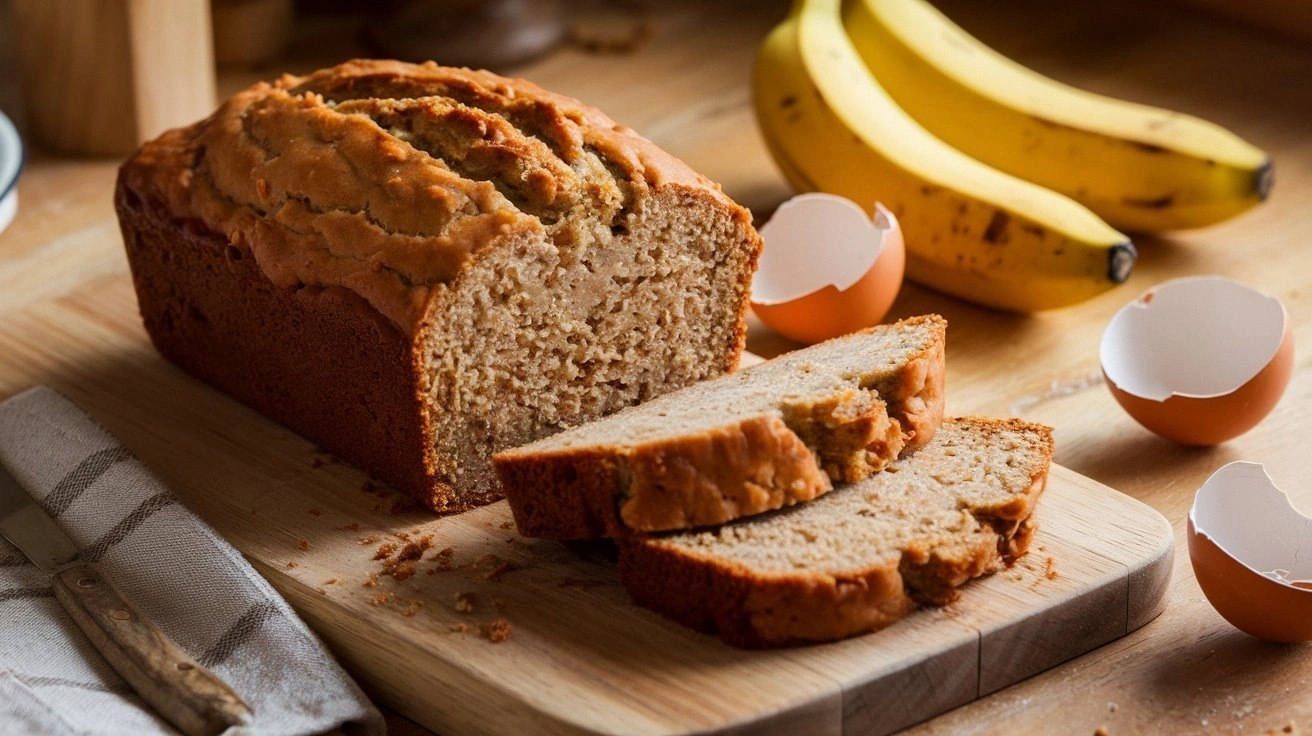
The Method — Step by Step
- Preheat your oven to 350°F (175°C) and line a 9×5‑inch loaf pan with parchment paper. The parchment prevents sticking and allows for easy removal. If you’re using a silicone pan, you can skip the parchment entirely. This step ensures a consistent bake and a beautiful golden crust.
- Place the bananas in a large mixing bowl and mash them with a fork until they’re mostly smooth but still have a few lumps. Those lumps add a pleasant texture to the crumb. Be careful not to over‑mash, or the loaf will become too dense. The mashed banana should look like a thick, creamy puree.
- Add the softened butter to the mashed bananas and stir until fully incorporated. The butter should melt into the banana mixture, creating a silky base. This step is where the banana’s natural sugars caramelize, giving the loaf its golden hue. The mixture should feel smooth and even.
- Gradually fold in the all‑purpose flour, stirring gently until the batter is just combined. Over‑mixing can develop gluten and make the bread tough, so stop as soon as the flour is incorporated. The batter should be thick but pourable; if it’s too thick, add a splash of milk or water to loosen it slightly.
- Pour the batter into the prepared loaf pan, smoothing the top with a spatula. Tap the pan lightly on the counter to release any air bubbles that might form. This ensures an even rise and a uniform crumb throughout. The batter should fill the pan to about 3/4 full.
- Bake for 30–35 minutes, or until the loaf is golden brown and a toothpick inserted into the center comes out clean. The edges should pull away slightly from the pan, indicating that the loaf has risen fully. If you’re using a dark oven, check the loaf at the 25‑minute mark to avoid over‑browning.
- Let the loaf cool in the pan for 10 minutes before transferring it to a wire rack. This short rest allows the crumb to set, preventing it from crumbling when sliced. While it’s cooling, you can prepare a small glaze or a dusting of powdered sugar if you like a sweeter finish.
- Slice the loaf once it’s completely cool, and serve warm or at room temperature. The banana bread is best enjoyed fresh, but it holds its flavor well for a few days. Pair it with a cup of coffee or tea for an unbeatable breakfast combo.
That’s it — you did it. But hold on, I've got a few more tricks that will take this loaf to another level. These tweaks are the difference between “good” and “great” banana bread.
Insider Tricks for Flawless Results
The Temperature Rule Nobody Follows
Many bakers bake banana bread at 375°F, which can cause the top to brown too quickly while leaving the center undercooked. I always set my oven to 350°F because it allows the loaf to rise evenly and develop a golden crust without over‑browning. If your oven runs hot, preheat it for 15 minutes and place a thermometer on the middle rack to confirm the temperature before baking.
Why Your Nose Knows Best
The aroma of banana bread is a reliable indicator of doneness. When the loaf is ready, you’ll smell a sweet, buttery scent that permeates the kitchen. If the smell is faint or metallic, the loaf needs more time. Trust your nose; it’s the ultimate judge of freshness.
The 5‑Minute Rest That Changes Everything
Allowing the loaf to rest in the pan for exactly 10 minutes after baking is crucial. During this time, the steam inside the loaf helps set the crumb, preventing it from cracking or sticking to the pan. If you cut it too early, the loaf may crumble or the batter might spread unevenly.
Use a Silicone Pan for Easy Release
A silicone loaf pan eliminates the need for butter or parchment, simplifying cleanup. The non‑stick surface ensures the bread releases effortlessly, and the pan’s flexibility helps the loaf maintain its shape. I’ve used a silicone pan in every batch and never had a sticking problem.
Keep the Banana Moist
If you’re using very ripe bananas, the batter can become too wet, leading to a dense loaf. To counter this, add a tablespoon of flour for every extra banana you use. This small adjustment keeps the batter from becoming too runny and ensures a tender crumb.
Add a Pinch of Cinnamon for Depth
A subtle pinch of ground cinnamon enhances the banana flavor without overpowering it. Cinnamon adds a warm, spicy undertone that complements the buttery finish. Sprinkle it on top before baking for a decorative touch.
Creative Twists and Variations
Nutty Banana Bread
Add a cup of chopped walnuts or pecans to the batter for a nutty crunch. The nuts add texture and a buttery flavor that pairs wonderfully with the banana. Be sure to toast the nuts lightly before adding them to enhance their aroma.
Chocolate Chip Banana Bread
Fold in a cup of dark chocolate chips for a decadent twist. The chocolate melts slightly during baking, creating pockets of rich chocolate throughout the loaf. This version is perfect for a dessert or a sweet snack.
Coconut Banana Bread
Replace the butter with coconut oil and add a cup of shredded coconut to the batter. The coconut oil gives the loaf a tropical flavor, while the coconut adds a delightful chew. This version is great for a beach‑day picnic.
Coffee‑Infused Banana Bread
Stir a tablespoon of instant espresso powder into the batter for a subtle coffee kick. The coffee enhances the banana’s natural sweetness and adds a depth of flavor. Serve it with a latte for a café‑style experience.
Gluten‑Free Banana Bread
Swap the all‑purpose flour for a gluten‑free blend that includes xanthan gum for structure. The loaf will be slightly denser but still moist and flavorful. This version is suitable for those with gluten sensitivities.
Spiced Banana Bread
Add a teaspoon of ground ginger and a pinch of nutmeg for a warm, spicy profile. The spices complement the banana’s sweetness and add complexity to the flavor. This variation is ideal for autumn gatherings.
Storing and Bringing It Back to Life
Fridge Storage
Wrap the cooled loaf in plastic wrap or store it in an airtight container. It will stay fresh for up to five days in the refrigerator. The moisture from the bananas keeps the crumb tender, so you won’t notice a significant change in texture.
Freezer Friendly
Slice the loaf before freezing; this makes thawing easier and prevents the loaf from becoming soggy. Place the slices in a freezer‑safe bag and store them for up to three months. When you’re ready to eat, pop a slice out and let it thaw at room temperature.
Best Reheating Method
Reheat frozen slices in a toaster oven or microwave for 30–45 seconds. Add a tiny splash of water to the loaf before reheating to create steam that restores moisture. This trick keeps the bread from drying out and preserves its buttery texture.