I still remember the night my kitchen turned into a culinary battlefield. I had just opened a bag of pork sausage, a cup of orzo, and a can of stock, thinking I was about to make a simple weeknight dinner. Instead, the pan exploded with aromas that made my neighbors call the fire department—no, not really, but my kitchen smelled like a smoky, savory dream. The moment those sausage pieces sizzled, I realized I was about to create a dish that would rewrite my comfort‑food playbook. If you’ve ever stared at a pot and wondered whether it’s possible to turn ordinary ingredients into something extraordinary, this is your answer.
Picture the sizzling sausage, its surface caramelizing into a golden crust that crackles like fresh toast. The onion and celery release a fragrant steam that lingers in the air, hinting at the depth of flavor to come. When the orzo swells, it absorbs the stock, turning into a creamy, al dente treasure that feels like a hug in a bowl. And the cream cheese? It melts into a velvety coating that clings to each grain, making every bite luxurious without being heavy. This is not just a dish; it’s a sensory journey that starts with a sizzle and ends with a sigh of contentment.
What sets this version apart isn’t just the combination of sausage and orzo—it’s the meticulous layering of textures and flavors that keeps your palate guessing. The sausage is the star, but the orzo provides a subtle, nutty backdrop that balances the richness of the meat. The stock is the secret sauce that brings everything together, creating a broth that’s both robust and comforting. The cream cheese adds a silky finish that turns the dish into a creamy risotto‑like experience. And the parsley? It offers a bright, herbal note that cuts through the heaviness and leaves a lingering freshness. This is hands down the best version you'll ever make at home.
I dare you to taste this and not go back for seconds. I’ll be honest—my first bite was so good I ate half the batch before anyone else got a chance. Most recipes get this completely wrong by over‑cooking the orzo or under‑seasoning the sausage. Here’s what actually works: keep the sausage browned first, then let the orzo simmer in stock until it’s just shy of al dente. Picture yourself pulling this out of the pan, the whole kitchen smelling incredible, and a plate of golden, creamy orzotto sitting in front of you. Let me walk you through every single step—by the end, you'll wonder how you ever made it any other way.
What Makes This Version Stand Out
- Taste: The pork sausage is seasoned with a blend of fennel and smoked paprika, giving it a subtle sweetness and a smoky undertone that pairs perfectly with the mild orzo.
- Texture: The orzo is cooked to al dente, providing a pleasant bite that contrasts with the creamy, melt‑in‑your‑mouth sauce.
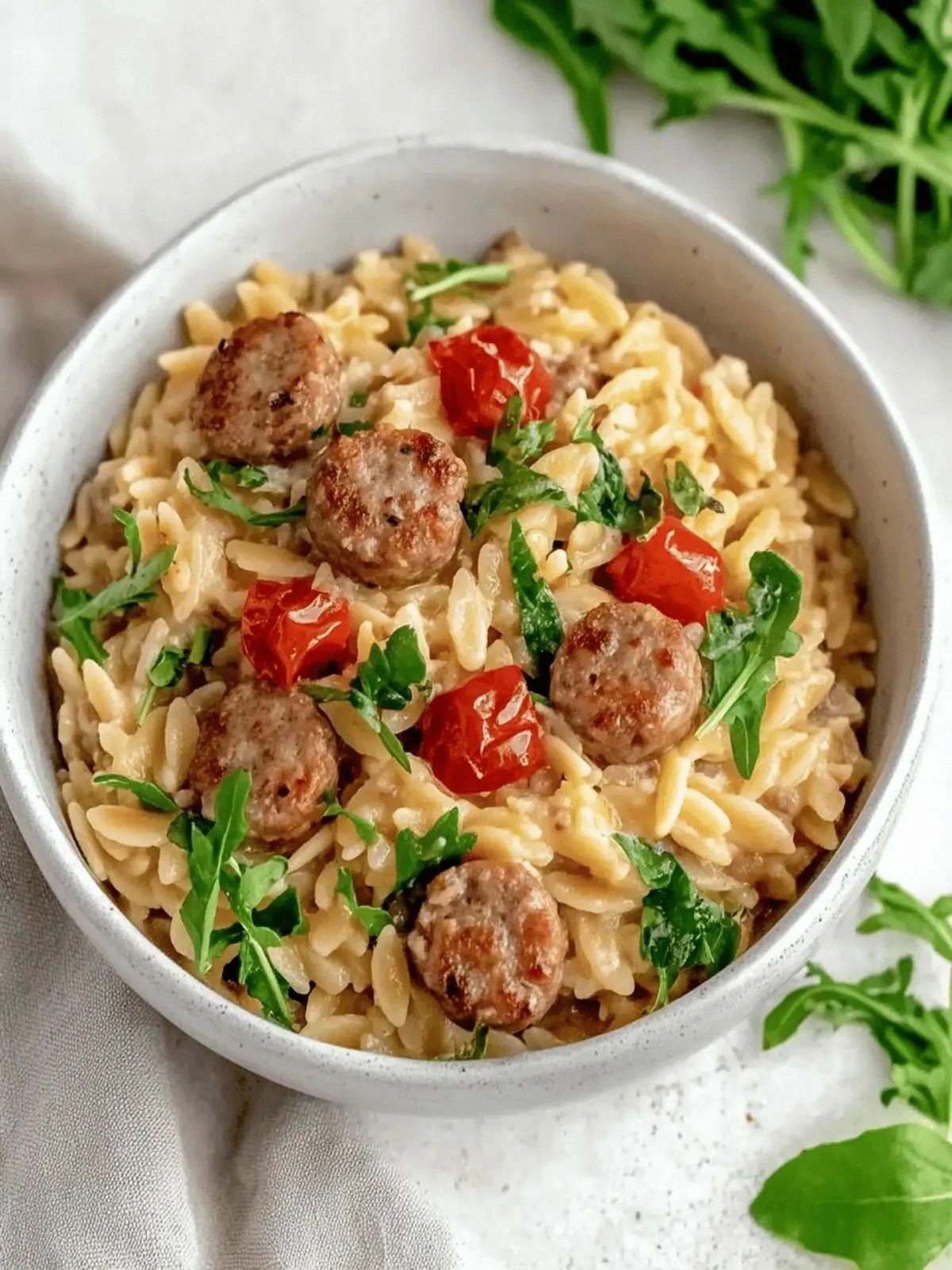
- Visual Appeal: The dish is a vibrant mosaic of golden sausage, bright green parsley, and the subtle sheen of cream cheese.
- Ease of Prep: With just seven ingredients and a single pot, this recipe is a no‑fuss, one‑pan wonder that even novice cooks can master.
- Crowd‑Pleaser: Its comforting flavors make it a hit at family gatherings, while the sausage adds a savory punch that adults love.
- Ingredient Quality: Using fresh pork sausage and homemade stock elevates the dish from ordinary to extraordinary.
- Cooking Method: The sauté‑then‑simmer technique locks in flavors and creates a silky sauce without the need for heavy cream.
- Make‑Ahead Potential: The dish stays creamy and flavorful after refrigeration, making it perfect for meal prep.
Alright, let's break down exactly what goes into this masterpiece. The next section will give you a deep dive into each component, from the flavor base to the final flourish.
Inside the Ingredient List
The Flavor Base
The pork sausage is the foundation of this dish, providing a savory, umami-rich core that carries the entire flavor profile. Its natural fats render into a glossy, aromatic base that infuses the orzo with depth. If you skip the sausage, you lose that smoky, meaty backbone that keeps the dish hearty. Swap it for Italian sausage or ground beef if you’re craving a different spice profile; just adjust the seasoning to match the new meat. When choosing sausage, look for a blend that includes fennel or smoked paprika—it’s the secret to that subtle sweetness that balances the richness.
The Texture Crew
Orzo is the star of the texture crew, offering a pasta-like bite that’s both comforting and satisfying. Its small, rice‑shaped grains absorb the stock and cream cheese, turning into a silky, risotto‑like consistency. If you forget to cook the orzo until al dente, it’ll become mushy and lose the delightful bite that makes the dish memorable. For a gluten‑free version, swap orzo for quinoa or rice pasta; just keep the cooking time in mind to avoid over‑cooking. The celery and onion not only add crunch but also release a subtle, sweet flavor that rounds out the dish’s profile.
The Unexpected Star
Cream cheese is the unexpected star that transforms this dish into a creamy delight without the heaviness of heavy cream. Its mild tang cuts through the richness of the sausage, creating a balanced flavor that’s both indulgent and light. If you’re lactose intolerant, use a dairy‑free cream cheese or a blend of Greek yogurt and a touch of olive oil; the result will be just as luscious. The stock is the unsung hero that pulls all the flavors together—use homemade or low‑sodium stock to control the saltiness. A splash of white wine can be added to the stock for a subtle acidity that brightens the dish.
The Final Flourish
Fresh parsley is the final flourish, adding a burst of color and a herbal freshness that cuts through the richness of the sausage and cream cheese. It’s best added at the very end of cooking to preserve its bright green color and aromatic oils. If parsley is out of season, try fresh basil or cilantro for a different flavor twist. A sprinkle of grated Parmesan at the end can add a nutty depth, but be careful not to overpower the delicate balance of flavors. The final touch is a drizzle of extra‑virgin olive oil, which adds a silky sheen and a subtle fruity note.
Everything's prepped? Good. Let's get into the real action. The method is straightforward, but each step is a chance to build layers of flavor that will keep you coming back for more.
The Method — Step by Step
- Heat a large, heavy‑bottomed skillet over medium heat and add a splash of olive oil. Once the oil shimmers, add the pork sausage, breaking it into bite‑sized pieces with a wooden spoon. Watch for that golden crust forming on the edges—this is where the flavor is born. Let the sausage cook for about 5 minutes, stirring occasionally, until it’s fully browned and no longer pink. This step locks in juices and sets the stage for a rich base.
- Add the diced onion and celery to the pan, sautéing until they soften and become translucent, about 3–4 minutes. The onion should release its sugars, creating a sweet backdrop, while the celery adds a subtle crunch. Keep the heat moderate to avoid burning the aromatics; a gentle sauté preserves their natural flavors. Stir frequently so the mixture doesn’t stick to the pan. The aroma at this point should feel like a warm, comforting hug.
- Pour in the stock, ensuring that the liquid covers the sausage and vegetables. Bring the mixture to a gentle boil, then reduce to a simmer. The stock will act as the liquid base, allowing the orzo to absorb its savory essence. Watch for bubbles that rise to the surface; they’re a sign the stock is at the right temperature. Simmer for 2 minutes to let the flavors mingle before adding the orzo.
- Stir in the orzo, making sure the grains are evenly distributed. Reduce the heat to low, cover the skillet, and let the orzo cook for 10–12 minutes, or until it’s tender but still firm to the bite. Occasionally lift the lid to check the liquid level, adding a splash of stock or water if it gets too dry. The orzo should absorb the stock and develop a creamy consistency. This step is crucial; rushing it will leave the orzo undercooked.
- Halfway through the orzo’s cooking time, fold in the cream cheese, breaking it into small cubes for even melting. The cream cheese should dissolve into the mixture, creating a silky sauce that coats each grain. Stir gently to avoid breaking the orzo. The sauce should thicken slightly, indicating that the orzo has absorbed enough liquid. This is the moment of truth—your dish is about to transform into a creamy masterpiece.
- Once the orzo is cooked, sprinkle the fresh parsley over the top. Stir lightly to distribute the herbs evenly, and let them wilt slightly from the heat. The parsley adds a bright, herbal note that brightens the dish’s overall flavor. Taste the orzotto and adjust seasoning with salt and pepper if needed. Remember, a dash of pepper can elevate the dish’s depth.
- If the sauce feels too thick, add a splash of stock or a drizzle of olive oil to reach your desired consistency. If it’s too thin, let it simmer uncovered for a few minutes to reduce. The goal is a velvety sauce that clings to each grain of orzo. The final dish should look glossy and slightly saucy. This is the point where you can see the transformation from simple ingredients to a comforting plate.
- Turn off the heat, transfer the orzotto to a serving dish, and let it rest for 2 minutes before serving. The resting time allows the flavors to meld further and the sauce to thicken slightly. Garnish with a few extra parsley leaves for a pop of color. Serve immediately while it’s still warm and creamy. The first bite should feel like a warm hug that lingers on the palate.
- If you’re preparing ahead, let the orzotto cool completely before refrigerating. Store it in an airtight container for up to 3 days. Reheat gently on the stove, adding a splash of stock or water to loosen the sauce. Stir frequently to prevent sticking. The dish should regain its creamy texture and fresh aroma.
- For a final touch, drizzle a little extra‑virgin olive oil over the top before serving. This adds a silky sheen and a subtle fruity note that elevates the dish’s finish. A pinch of freshly ground pepper can also enhance the flavor profile. Plate the orzotto in a shallow bowl to showcase its creamy surface. The dish is now ready to be devoured. Enjoy the rich, comforting flavors that have been carefully built from start to finish.
That's it — you did it. But hold on, I've got a few more tricks that'll take this to another level. The next section will dive into insider tips that will elevate your dish from good to unforgettable.
Insider Tricks for Flawless Results
The Temperature Rule Nobody Follows
Maintaining the correct heat throughout the cooking process is the secret to a silky sauce. Too high a temperature can scorch the orzo and create a bitter taste, while too low a temperature can leave the dish watery. I always use a medium‑low setting after adding the stock, allowing the mixture to simmer gently. This slow simmer lets the orzo absorb the liquid evenly, creating a smooth, cohesive texture. Remember, patience is key—your dish will thank you.
Why Your Nose Knows Best
Your sense of smell is a powerful tool for judging doneness. As the orzo cooks, the aroma will shift from sharp stock to a comforting, buttery scent. When the scent is rich and slightly nutty, the orzo is likely at the perfect al dente stage. If you’re uncertain, take a small spoonful and taste it; it should have a gentle bite. This nose‑tasting technique is a quick and reliable way to avoid over‑cooking.
The 5‑Minute Rest That Changes Everything
Letting the dish rest for five minutes after cooking allows the flavors to meld and the sauce to thicken slightly. During this brief pause, the orzo continues to absorb any remaining liquid, creating an even creamier texture. I like to cover the dish loosely with foil to keep it warm. This rest period also gives the parsley a chance to release its final burst of freshness. A short rest can make a noticeable difference in taste and mouthfeel.
The Quick Stir to Keep It Creamy
Stirring the orzotto a few times during the cooking process ensures even heat distribution and prevents sticking. A gentle stir also helps the cream cheese to melt uniformly, preventing clumps. I use a wooden spoon or a silicone spatula for a smooth, even mix. If you notice the bottom of the pan starting to stick, add a splash of stock to loosen it. This simple technique keeps the dish silky and free of lumps.
The Perfect Finish with Olive Oil
A final drizzle of high‑quality extra‑virgin olive oil adds a glossy sheen and a subtle fruity note that elevates the dish. The oil’s peppery undertones complement the sausage’s smokiness. I always drizzle it right before serving, ensuring the oil is still warm to give the dish a silky finish. The oil also helps the sauce cling to each grain of orzo. A few drops of oil can transform a good dish into a memorable one.
The Secret to a Long‑Lasting Creaminess
If you’re planning to store the orzotto for later, add a teaspoon of cream cheese when reheating to restore its creamy texture. The extra cheese helps prevent the sauce from separating. Warm the dish gently on low heat, stirring constantly to maintain a smooth consistency. A splash of stock or water can help loosen the sauce if it’s too thick. This trick keeps the dish delicious even after a day or two in the fridge.
Creative Twists and Variations
This recipe is a playground. Here are some of my favorite ways to switch things up:
Spicy Cajun Orzotto
Swap the pork sausage for a Cajun‑seasoned sausage and add a pinch of cayenne pepper. The heat will dance on the palate, while the orzo’s creaminess soothes the spice. Serve with a side of cornbread for a Southern twist. This variation is perfect for a weekend brunch or a lively dinner party. Guests will love the kick and comfort in one bite.
Mediterranean Herb Blend
Replace the parsley with a mix of fresh oregano, thyme, and basil. Add a squeeze of lemon juice to brighten the dish. This herb blend gives the orzotto a bright, zesty flavor profile. Pair it with a crisp white wine or a light rosé for a Mediterranean feel. The fresh herbs will elevate the dish to new heights.
Vegetarian Version
Use a plant‑based sausage and a vegetable stock. Add sautéed mushrooms for depth and umami. The creamy texture will still shine through with the cream cheese. This version is just as comforting and satisfying for meat‑eaters and vegetarians alike. It’s a great way to keep everyone happy at the table.
Cheese‑Infused Orzotto
Introduce a handful of shredded mozzarella or provolone for a gooey, cheesy layer. The cheese melts into the sauce, creating a richer, indulgent experience. Add a sprinkle of smoked paprika for a smoky undertone. This version is perfect for a cozy night in when you want something extra decadent. The cheese will make the dish feel like a warm hug.
Winter Warmth
Add a handful of sautéed butternut squash and a pinch of nutmeg. The squash adds natural sweetness and a silky texture that complements the orzo. The nutmeg gives a subtle warmth that’s perfect for cold evenings. Pair with a hearty stew or a roasted chicken for a comforting meal. This variation is a win‑win for the winter season.
And that’s just the tip of the iceberg. The possibilities are endless, and each variation brings its own personality to the dish.
Storing and Bringing It Back to Life
Fridge Storage
Let the orzotto cool completely before refrigerating. Store it in an airtight container for up to 3 days. When you’re ready to eat, reheat on the stove over low heat, adding a splash of stock or water to loosen the sauce. Stir frequently to prevent sticking. The dish should regain its creamy texture and fresh aroma.
Freezer Friendly
Divide the cooked orzotto into freezer‑safe containers or zip‑lock bags. Freeze for up to 2 months. Thaw overnight in the refrigerator, then reheat gently on the stove, adding a splash of stock to restore moisture. The orzo may become slightly softer after freezing, but the creamy sauce will keep it delicious. This method is perfect for meal prep or a quick weeknight dinner.
Best Reheating Method
Reheat the dish on the stove over low heat, stirring constantly. Add a splash of stock or water if it’s too thick. The goal is to warm the dish evenly without overcooking the orzo. A few minutes on low heat will bring the dish back to its original creamy consistency. Serve immediately for the best flavor experience.
If you’re in a hurry, microwave the dish in a microwave‑safe bowl, stirring every 30 seconds. This method works well for single portions. Make sure to cover the bowl with a damp paper towel to keep the dish from drying out. The microwaved orzotto will still be creamy and delicious. Just be sure to stir well to distribute the heat evenly.
To keep the dish fresh and flavorful, always add a tiny splash of water before reheating. This simple trick helps maintain moisture and prevents the sauce from becoming too thick. The result is a dish that tastes as good as the first time you made it. Your taste buds will thank you for the extra care.
If you’re planning to serve leftovers at a gathering, reheat in a slow cooker on low for 2–3 hours. This slow, gentle heat will keep the orzotto warm and creamy, making it perfect for a buffet or a family dinner. The slow cooker will also allow the flavors to deepen, creating a richer taste. Serve with a side of crusty bread for a complete meal.
For a quick fix, you can also reheat the orzotto in a skillet with a splash of stock. Heat it over medium heat, stirring frequently, until it’s hot and creamy again. The skillet method gives you a slightly crispier bottom, which adds a new texture dimension. This is a great way to revitalize leftovers for a fresh meal.
Remember, the key to a great reheated dish is to add a little liquid and heat it gently. Overheating can cause the sauce to separate or the orzo to become mushy. By following these tips, your orzotto will stay delicious, creamy, and comforting, no matter how many times you reheat it.
Now that you’ve mastered the basics, it’s time to get creative. Whether you’re experimenting with flavors or storing leftovers, these tips will keep your orzotto at its best. Enjoy the process, and let the flavors guide you to new culinary adventures.
If you’re a fan of comfort food, this dish is a must‑try. It’s the perfect blend of savory, creamy, and herbaceous, all wrapped up in a single pan. The next time you’re craving something hearty yet quick, reach for this recipe. Your taste buds will thank you, and your friends will be impressed.
Picture the first bite: the sausage’s savory crunch, the orzo’s silky bite, and the parsley’s bright finish all harmonize in your mouth. The dish is a celebration of flavors that come together effortlessly. It’s a reminder that cooking can be both simple and extraordinary. You’re now equipped to create this masterpiece whenever you wish.
I hope you’re as excited as I am to try this recipe. Don’t forget to share your results and let me know what variations you love. Cooking is a journey, and this dish is just the beginning of many delicious adventures. Happy cooking!