Picture this: a midnight kitchen, the air thick with the scent of soy sauce and sizzling garlic, a friend’s challenge echoing in the background—“I dare you to taste this and not go back for seconds.” I was skeptical, because my last attempt at Korean BBQ had turned a pork shoulder into a sticky, over‑cooked disaster. The moment the first bite hit my tongue, the flavors erupted like fireworks in a quiet room—sweet, spicy, umami, and a subtle apple undertone that danced across my palate. That single experience rewrote my entire approach to pork dishes, and I’m here to share the secret that turned a humble shoulder into a crowd‑pleaser.
The kitchen was a symphony of clinks and crackles: the pan hissed as the pork met the heat, the apples released a gentle caramel aroma, and the chili garlic paste added a bright, almost citrusy spark. My senses were assaulted in the most delightful way—each ingredient had a story, a texture, a color that promised something extraordinary. I could feel the meat’s fibers soften under the glaze, the rice grains swelling with steam, and the sauce coating everything like velvet. It wasn’t just a meal; it was a sensory journey that left me craving more.
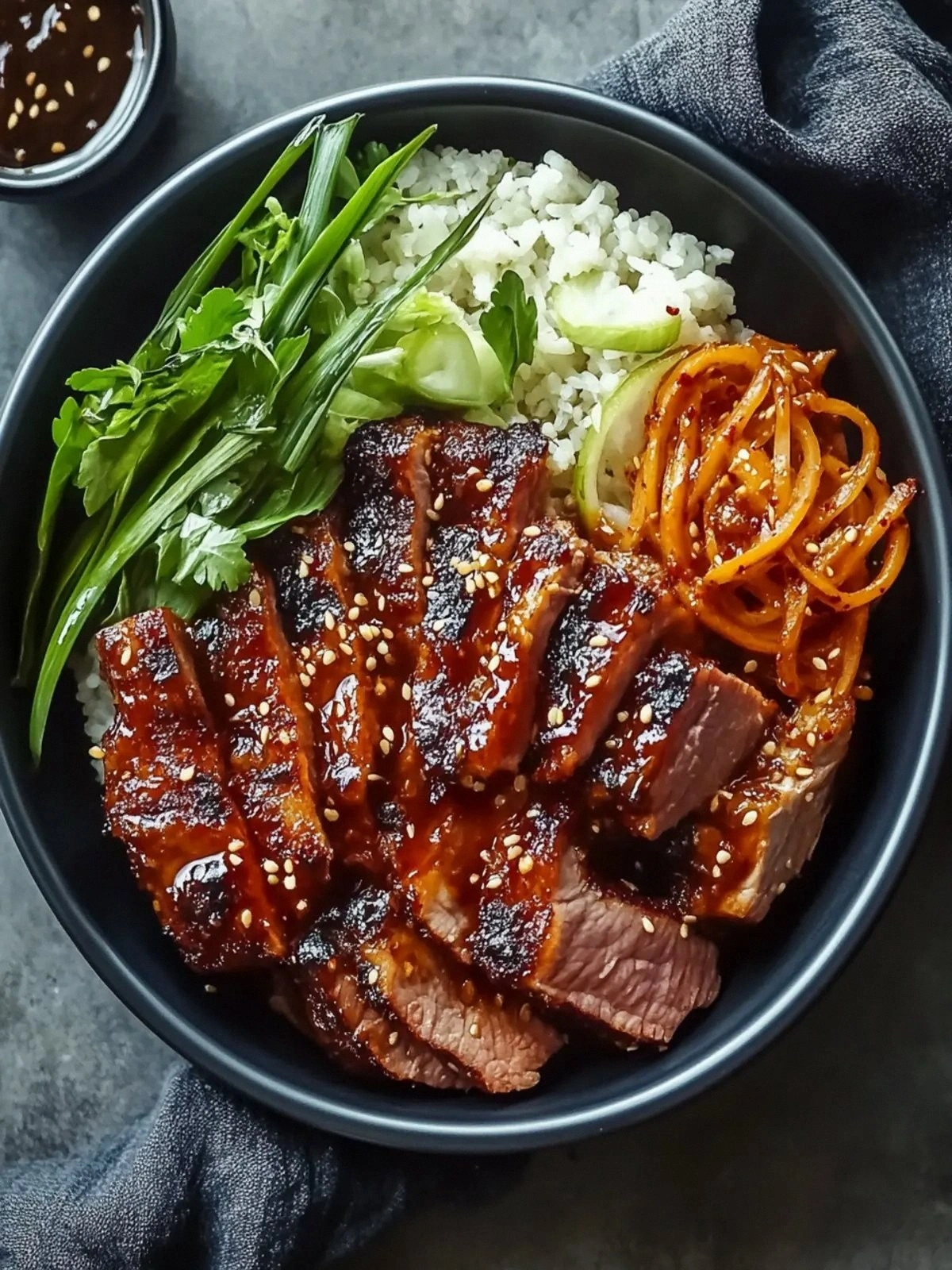
What makes this version stand out is that it’s not just about layering flavors—it’s about balancing them with precision. The pork shoulder is marinated long enough to absorb the sweet‑spicy sauce without losing its natural juiciness. The apples, unpeeled, add a subtle sweetness and a hint of tartness that cuts through the richness. The chili garlic paste gives a punch that lingers on the tongue, while the brown sugar caramelizes to a glossy sheen. And the finishing touch? A gentle fold of rice that soaks up the sauce, turning every bite into a harmonious bite.
I’ll be honest—when I first tried this recipe, I ate half the batch before anyone else even got a chance. It was a revelation that even the simplest ingredients, when handled with care, can produce a dish that feels like a celebration. And if you’ve ever struggled with balancing sweet and savory in a pork dish, you’re not alone. I’ve distilled the technique into a few key steps that will keep you from over‑cooking the meat or losing the sauce’s depth.
So, if you’re ready to move beyond the usual Korean BBQ playbook, stay with me. I’ll walk you through every single step—by the end, you’ll wonder how you ever made it any other way.
What Makes This Version Stand Out
- Flavor Depth: The combination of brown sugar, soy sauce, and chili garlic paste creates a sauce that’s sweet, salty, and spicy all at once, with a caramelized finish that clings to the pork.
- Texture Balance: The pork is slow‑cooked to melt‑in‑your‑mouth tenderness, while the apples retain a slight bite that adds contrast.
- Ingredient Simplicity: You need only ten pantry staples and a couple of fresh items—no exotic sauces or hard‑to‑find condiments.
- Make‑Ahead Friendly: The dish can be prepared a day ahead, and the flavors actually improve with time.
- Crowd‑Pleaser: It’s the kind of dish that makes people ask for the recipe after the meal; it’s instantly shareable.
- Visual Appeal: The glossy glaze and the contrasting colors of the apples and rice create a plate that looks as good as it tastes.
Alright, let's break down exactly what goes into this masterpiece.
Inside the Ingredient List
The Flavor Base
The sauce is the heart of this dish. Brown sugar brings a deep caramel sweetness that balances the heat from the chili garlic paste. Soy sauce adds a salty backbone that anchors the sweetness, while the garlic and ginger infuse aromatic layers that make the sauce sing. If you skip the sugar, the sauce will taste flat and overly acidic; if you skip the soy, it will lack depth.
The key to a glossy finish is to let the sauce reduce slowly over medium heat until it thickens to a syrupy consistency. If you reduce it too quickly, the sugars may burn, giving a bitter edge that ruins the balance. For a subtle variation, add a splash of rice vinegar at the end to brighten the flavor.
When choosing soy sauce, opt for a low‑sodium version if you’re watching your salt intake; you’ll still get the umami punch without over‑salting the dish. If you’re a fan of a richer profile, a dark soy sauce will add a deeper color and slightly sweeter taste. The amount of chili garlic paste can be adjusted to your heat preference—more for a fiery kick, less for a milder experience.
The Texture Crew
Pork shoulder is a fatty cut that becomes tender when cooked low and slow. It’s essential to cut the meat into uniform pieces so they cook evenly and absorb the sauce evenly. The apples, left unpeeled, provide a juicy burst that contrasts the savory pork; their skins add a hint of earthiness. If you prefer a softer apple texture, peel them and dice finely, but you’ll lose that subtle bite.
Vegetable oil is used to sear the pork, creating a caramelized crust that locks in juices. A neutral oil like canola or grapeseed works best; avoid sesame oil as it can overpower the other flavors. The rice should be fluffy and lightly steamed, so it can absorb the sauce without becoming mushy. Using short‑grain rice will give you that sticky texture that’s perfect for Korean dishes.
When you’re cooking the pork, keep the heat moderate. If the pan gets too hot, the outside will burn before the inside cooks through. A medium heat allows the meat to brown slowly and develop that beautiful caramelized glaze. If you’re short on time, you can use a pressure cooker to achieve the same tenderness in a fraction of the time.
The Unexpected Star
Apples might seem like an odd choice for Korean BBQ, but their natural sweetness and slight tartness create a harmonious counterbalance to the rich pork. They also add a subtle fragrance that lifts the entire dish. If you’re a fan of pears, try substituting them for a slightly different flavor profile.
The unpeeled apples contribute a small amount of fiber, making the dish a bit healthier. Their skins also carry antioxidants that add a nutritional boost. If you’re worried about the skins, you can lightly wash them to remove any residual wax, but don’t peel them completely.
The Final Flourish
The finishing touch is the rice, which acts as a sponge for the sauce. It’s essential to let the rice steam after the pork finishes cooking so it can soak up the juices. A sprinkle of sesame seeds or a dash of toasted sesame oil at the end can elevate the dish with a nutty aroma.
If you’re serving the dish with a side of kimchi or pickled vegetables, the acidity will cut through the richness, creating a balanced plate. The combination of hot, sweet, and sour is the hallmark of Korean cuisine, and this dish embodies it perfectly. Keep the rice slightly dry on the bottom of the pan to avoid it turning into a mushy base.
Everything’s prepped? Good. Let’s get into the real action.
The Method — Step by Step
- Marinate the Pork: Combine the garlic, ginger, soy sauce, brown sugar, chili garlic paste, and a splash of vegetable oil in a bowl. Toss the pork shoulder pieces until they’re evenly coated. Cover and let sit for at least 30 minutes, or refrigerate overnight for deeper flavor. The marinating process allows the sugars to caramelize during cooking, creating a glossy glaze.
- Prep the Apples: Slice the apples into wedges, leaving the skins on for texture and color. If you prefer a softer bite, dice them into smaller pieces. Set aside in a bowl to prevent browning.
- Brown the Pork: Heat a large skillet or Dutch oven over medium heat. Add a tablespoon of vegetable oil and let it shimmer. Place the pork pieces in the pan, browning them on all sides. This step locks in juices and builds a flavorful crust. The sizzle you hear is the beginning of a flavor explosion.
- Simmer with Apples: Add the apple wedges to the pan, then pour in the remaining sauce mixture. Reduce the heat to low, cover, and let simmer for 45 minutes. The apples soften slightly, releasing their juices into the sauce, while the pork continues to tenderize. Check occasionally, stirring gently to prevent sticking.
- Reduce the Sauce: After the pork is tender, remove the lid and increase the heat to medium. Let the sauce reduce until it coats the back of a spoon and has a syrupy consistency. The reduction intensifies the sweet‑spicy profile and gives the pork a glossy finish. Keep a close eye on it; it can go from perfect to burnt in a moment.
- Finish with Rice: While the sauce reduces, cook the rice according to package instructions. Once the pork is done, transfer the meat and apples to a serving platter and pour the sauce over them. Sprinkle the cooked rice on top, letting the grains soak up the remaining glaze.
- Garnish and Serve: Finish with a drizzle of toasted sesame oil and a sprinkle of sesame seeds for a nutty aroma. Add a handful of fresh cilantro or green onions for brightness. Serve hot, and watch your guests reach for seconds—this is hands down the best version you’ll ever make at home.
That's it — you did it. But hold on, I've got a few more tricks that'll take this to another level.
Insider Tricks for Flawless Results
The Temperature Rule Nobody Follows
Many cooks think a quick sear is enough, but the secret lies in maintaining a steady medium heat. Too hot, and the sugars burn; too low, and the pork takes forever to brown. Use a thermometer to keep the pan between 350°F and 375°F, which ensures a perfect caramelization without scorching.
Why Your Nose Knows Best
Your sense of smell is a reliable indicator of doneness. When the sauce starts to thicken and emits a sweet, caramelized aroma, it’s time to remove the lid. A strong, sweet scent means the sugars have caramelized, while a lingering raw smell indicates more time is needed.
The 5-Minute Rest That Changes Everything
After removing the pork from the pan, let it rest for five minutes. This allows the juices to redistribute, ensuring the meat stays moist when sliced. Skipping this step often results in dry, over‑cooked pork.
The Apple Trick
If you prefer a sweeter dish, use Fuji or Honeycrisp apples for their higher sugar content. For a tart edge, try Granny Smith. The apple variety will subtly shift the flavor profile.
The Rice Absorption Hack
Add a splash of water to the rice after it’s cooked and let it steam for another five minutes. This step creates a fluffier texture that soaks up the sauce more effectively, preventing a sticky bottom.
The Final Flavor Boost
Right before serving, squeeze a few drops of fresh lime juice over the dish. The acidity brightens the flavors and balances the richness, giving the dish a fresh finish.
Now that you have the insider knowledge, you’re ready to master this dish every time.
Creative Twists and Variations
This recipe is a playground. Here are some of my favorite ways to switch things up:
Spicy Kimchi Twist
Add a cup of kimchi during the last 10 minutes of simmering. The fermented flavors pair beautifully with the sweet pork, adding a punch of umami and a hint of heat.
Ginger‑Infused Rice
Cook the rice with a sliced piece of ginger and a bay leaf. The rice will absorb the subtle warmth, complementing the pork’s ginger notes.
Pineapple Surprise
Swap apples for pineapple chunks for a tropical twist. The pineapple’s natural acidity brightens the sauce, making each bite feel like a beach vacation.
Gluten‑Free Version
Use tamari instead of soy sauce and coconut rice flour to thicken the sauce. The dish remains flavorful while staying gluten‑free.
Smoked Flavor
Add a few drops of liquid smoke to the sauce before simmering. This gives the pork a deep, smoky undertone that mimics a barbecue grill.
Vegetarian Take
Replace pork with marinated tofu or tempeh. The tofu will soak up the sauce just as well, providing a protein‑rich, plant‑based option.
Experimenting with these variations keeps the dish fresh and exciting for repeat meals.
Storing and Bringing It Back to Life
Fridge Storage
Cool the dish completely, then transfer to an airtight container. Store in the refrigerator for up to 3 days. The pork will stay tender, and the sauce will thicken slightly.
Freezer Friendly
Divide the dish into meal‑prep portions, each with a small amount of rice. Freeze for up to 2 months. When reheating, add a splash of water to restore moisture.
Best Reheating Method
Reheat in a skillet over medium heat, stirring until hot. A tiny splash of water before reheating will steam the pork back to perfection, preventing it from drying out.
These storage tips ensure you can enjoy the dish anytime, without compromising flavor or texture.