I remember the night I was scrambling to salvage a dinner that had gone horribly wrong. The pot of stew I’d started was a sad, watery mess, and the only thing that could rescue it was a splash of confidence and a dash of Cajun flair. I pulled out a can of good ol’ smoked sausage, a handful of fresh okra, and a generous spoonful of the legendary roux, and the kitchen suddenly smelled like a New Orleans street market on a humid summer afternoon. If you’ve ever stared at a bland, soggy soup and wondered if it could ever taste like a celebration, this recipe will make you feel like you’re standing in the middle of a Mardi Gras parade, with the music thumping in your ears and the aroma of bay leaves and thyme dancing around you. Let me walk you through every single step — by the end, you’ll wonder how you ever made it any other way.
The first thing you’ll notice is the depth of flavor that comes from a proper roux. It’s not just about thickening; it’s about building a flavor base that carries the entire dish. The second thing is the holy trinity of onion, bell pepper, and celery, which gives that classic Cajun foundation. Third, the smoky sausage and succulent chicken thighs bring heartiness, while the shrimp provide that sweet, briny finish that’s impossible to resist. Finally, the secret ingredient that ties everything together is a splash of chicken broth, a sprinkle of Cajun seasoning, and a few bay leaves that infuse a subtle earthiness. Picture yourself pulling this out of the pot, the whole kitchen smelling incredible, and knowing you’re about to serve a dish that will have everyone asking for seconds. I dare you to taste this and not go back for seconds.
This isn’t just another gumbo recipe; it’s a carefully balanced symphony of textures and flavors that will transform any ordinary meal into a festive celebration. The roux is cooked to a deep mahogany, giving the gumbo a velvety coat that clings to every grain of rice. The okra adds a slight earthiness and a delightful bite that prevents the dish from becoming too soupy. The shrimp, cooked just right, burst with sweetness and lift the entire flavor profile. And the final touch? A pinch of cayenne pepper that gives that signature kick, but not so much that it overwhelms the other ingredients. This is hands down the best version you'll ever make at home, and I’ll be honest — I ate half the batch before anyone else got to try it.
Most recipes get this completely wrong by either overcooking the shrimp or undercooking the roux. If you want that glossy, thick consistency, you have to let the roux brown slowly, letting the flour caramelize without burning. I’ll show you how to keep the roux at the perfect temperature, how to season the base without overdoing it, and how to layer the proteins so each bite is a burst of flavor. And if you’re wondering what makes this gumbo stand out from every other recipe out there, stick around because the next section will break down the exact elements that make this dish a crowd-pleaser. And now, the fun part.
What Makes This Version Stand Out
- Taste: The combination of smoked sausage, fresh shrimp, and a well-balanced roux creates a complex flavor profile that’s both hearty and vibrant. The subtle sweetness of the shrimp contrasts beautifully with the smoky depth of the sausage, while the Cajun seasoning adds just the right amount of heat.
- Texture: This gumbo strikes the perfect balance between silky broth and chunky, satisfying pieces of meat and vegetables. The okra gives a slight stickiness that adds a pleasant bite without becoming mushy.
- Simple Prep: The recipe requires only a handful of ingredients and minimal prep time, making it accessible for even novice cooks. The trick lies in the timing of each addition, not in complicated steps.
- Uniqueness: The use of a dual-protein approach (chicken and shrimp) elevates the dish beyond the traditional single-protein gumbo, creating a richer, more satisfying meal.
- Crowd Reaction: Guests will rave about the depth of flavor and the comforting warmth of the dish. It’s the kind of meal that brings people together, much like a Mardi Gras parade.
- Ingredient Quality: Fresh, high-quality proteins and vegetables make all the difference. Opt for fresh shrimp and smoked sausage with no artificial additives for the best taste.
- Cooking Method: The slow simmering of the roux and the gentle cooking of the proteins ensures that every bite is tender and flavorful.
- Make‑Ahead Potential: This gumbo actually tastes better the next day, as the flavors have time to meld together. Store it in the fridge and reheat gently for a delicious comeback.
Alright, let’s break down exactly what goes into this masterpiece. And now, the fun part.
Inside the Ingredient List
The Flavor Base
Vegetable oil and all-purpose flour form the roux, the heart of any gumbo. The oil allows the flour to cook evenly, preventing lumps, while the flour provides the body that thickens the broth. If you skip the roux, you’ll end up with a thin, watery soup that lacks depth. To keep the roux from burning, stir constantly and cook over medium heat until it reaches a deep mahogany color. This step might seem slow, but it’s crucial for that signature gumbo flavor.
Onion, green bell pepper, and celery – the holy trinity – add sweetness, crunch, and aromatic complexity. Each vegetable releases its own unique flavor profile as it cooks, creating layers of taste that mingle with the roux. Cutting them into uniform pieces ensures even cooking, preventing some parts from becoming mushy while others remain raw. If you’re short on fresh vegetables, frozen trinity works too, but the texture may differ slightly. Remember, the trinity should be sautéed until translucent, not browned, to maintain a balanced flavor.
Garlic, minced, is the aromatic backbone that elevates the entire dish. Its pungent aroma, when sautéed with the trinity, creates a savory base that carries the Cajun spices. Don’t overcook garlic; it can become bitter if it turns golden brown. The trick is to let it sizzle for just 30 seconds to a minute, releasing its oils into the oil and flour. Garlic also helps balance the heat from the Cajun seasoning, adding a subtle sweetness.
The Protein Crew
Smoked sausage brings a smoky, savory flavor that’s essential to the gumbo’s identity. The fat content of the sausage helps create a richer broth, while the spices inside the sausage add depth. Slice it into rounds or half-moons; the size affects how quickly it releases flavor into the pot. If you prefer a milder taste, use a sweet sausage instead of a spicy one, but keep in mind you’ll need to adjust the Cajun seasoning accordingly. The sausage should be browned lightly before adding it to the broth to develop a deeper flavor.
Chicken thighs, bone‑in and skin‑less, contribute juiciness and a savory base that complements the sausage. The bones add collagen, thickening the broth naturally. Slice the thighs into bite‑size pieces to ensure even cooking. If you’re using boneless thighs, remember they’ll cook faster, so add them later in the simmering process. The chicken’s mild flavor balances the spicier elements, creating a harmonious taste.
The Unexpected Star
Shrimp is the star of the show, offering a sweet, briny finish that elevates the gumbo. Shrimp cooks quickly, so it’s added at the very end to avoid overcooking. Use medium‑sized shrimp; they’ll absorb the flavors without becoming rubbery. If you’re using frozen shrimp, thaw them fully and pat dry before adding. Shrimp also adds a subtle pink color that brightens the dish, making it visually appealing.
Okra, sliced thinly, brings a slight earthiness and a unique texture that prevents the gumbo from becoming too soupy. The mucilage in okra acts as a natural thickener, giving the broth a silky consistency. If you’re new to cooking with okra, rinse it well to remove the sliminess, and slice it thinly so it cooks quickly. Okra also adds a subtle sweetness that complements the smoky sausage and the savory chicken. If you can’t find fresh okra, frozen works, but it may release more liquid.
The Final Flourish
Cajun seasoning is the spice blend that brings heat and complexity. It typically contains paprika, cayenne, garlic powder, and black pepper. The amount you add can be adjusted to your taste; start with 2 tablespoons and tweak as needed. This seasoning is what gives the gumbo its signature “kick” that makes it unforgettable. If you’re sensitive to heat, reduce the cayenne or use a milder blend.
Thyme and bay leaves are fragrant herbs that infuse the gumbo with subtle, earthy undertones. Add thyme early in the simmering process so it can release its aroma. Bay leaves should be added with the broth and removed before serving; they add depth without being overpowering. These herbs complement the smoky sausage and the sweet shrimp, tying everything together. If you’re out of thyme, dried thyme works, but fresh is preferable for maximum flavor.
Salt and pepper are essential for seasoning, but they’re added to taste. Start with a small pinch of salt and adjust after the gumbo has simmered, as the flavors concentrate. Pepper adds a gentle heat; black pepper works best. These seasonings should be added gradually, tasting as you go, to avoid over-seasoning. Remember that the Cajun seasoning already contains salt, so you’ll want to be careful not to oversalt the dish.
Cooked rice is the perfect base for serving the gumbo. Use long‑grain rice that absorbs the broth without becoming mushy. Cook the rice separately, then serve the gumbo over it, allowing the rice to soak up the flavorful sauce. If you prefer a heartier meal, try adding a few spoonfuls of the gumbo directly into the rice bowl. The combination of rice and gumbo creates a comforting, satisfying dish that’s perfect for any occasion.
Everything’s prepped? Good. Let’s get into the real action. The next step is to create the roux, which will form the foundation of the gumbo’s flavor and texture. The roux must be cooked slowly, and it’s the secret to that velvety consistency. Once the roux is ready, we’ll add the holy trinity, then the proteins, and finally the broth, letting everything simmer together. The final touch is the shrimp, added just before the end to keep them tender and flavorful. Ready? Let’s dive in.
The Method — Step by Step
- Step 1: Make the Roux. In a large, heavy-bottomed pot, heat 2 tablespoons of vegetable oil over medium heat. Add 2 tablespoons of all-purpose flour, stirring constantly. Cook for about 12-15 minutes, or until the mixture turns a deep mahogany color, stirring frequently to prevent burning. The aroma should be nutty and toasty, signaling that the roux is ready. Keep a close eye on it, as it can quickly go from perfect to burnt.
- Step 2: Sauté the Holy Trinity. Add 1 diced onion, 1 cup of diced green bell pepper, and 1 cup of diced celery to the pot. Stir and cook for 5-7 minutes, until the vegetables are translucent but not browned. This will release their natural sweetness and build a flavorful base. If you notice any excess liquid, let it evaporate before proceeding. The vegetables should be soft but still hold their shape.
- Step 3: Add Garlic. Toss in 3 minced garlic cloves and cook for 30 seconds, just until fragrant. Be careful not to let the garlic brown, as it will become bitter. The garlic will mingle with the roux, adding a savory depth. This step is quick but essential for the overall flavor profile. The kitchen will smell like a fresh Cajun kitchen.
- Step 4: Brown the Sausage. Add 1 pound of sliced smoked sausage to the pot. Stir and let it brown slightly for 3-4 minutes, allowing the fat to render and the spices to caramelize. The sausage’s smoky flavor will permeate the broth. If the pot looks dry, add a splash of water or broth to keep the mixture from sticking. The sausage should be golden and fragrant.
- Step 5: Add Chicken. Stir in 1 pound of chicken thighs, cut into bite-sized pieces. Cook for 5 minutes, letting the chicken brown on all sides. This step adds a hearty protein and extra depth to the gumbo. If you’re using boneless thighs, add them later to avoid overcooking. The chicken should be nicely seared.
- Step 6: Add Broth and Seasonings. Pour in 4 cups of chicken broth, ensuring the roux and vegetables are fully submerged. Stir in 2 tablespoons of Cajun seasoning, 1 teaspoon of dried thyme, and 2 bay leaves. Bring the mixture to a gentle simmer. Let it cook for 20 minutes, allowing the flavors to develop. The broth should thicken slightly, and the spices should infuse the entire pot.
- Step 7: Add Okra. Stir in 1 cup of sliced okra. Let the gumbo simmer for another 10 minutes, or until the okra is tender but still has a slight bite. Okra will release a natural thickening agent, giving the gumbo a silky consistency. Keep the heat low to maintain the gumbo’s smooth texture. The okra should not become mushy.
- Step 8: Add Shrimp. Add 1 pound of peeled, deveined shrimp to the pot. Cook for 4-5 minutes, or until the shrimp turn pink and opaque. Shrimp cooks quickly, so be careful not to overcook them. The shrimp’s sweet flavor will brighten the dish. This step is the moment of truth.
- Step 9: Adjust Seasoning. Taste the gumbo and add salt and pepper to taste. If the flavor needs a boost, sprinkle a bit more Cajun seasoning. Remove the bay leaves before serving. The gumbo should have a balanced, savory, and slightly spicy flavor profile. Make sure the seasoning is well distributed.
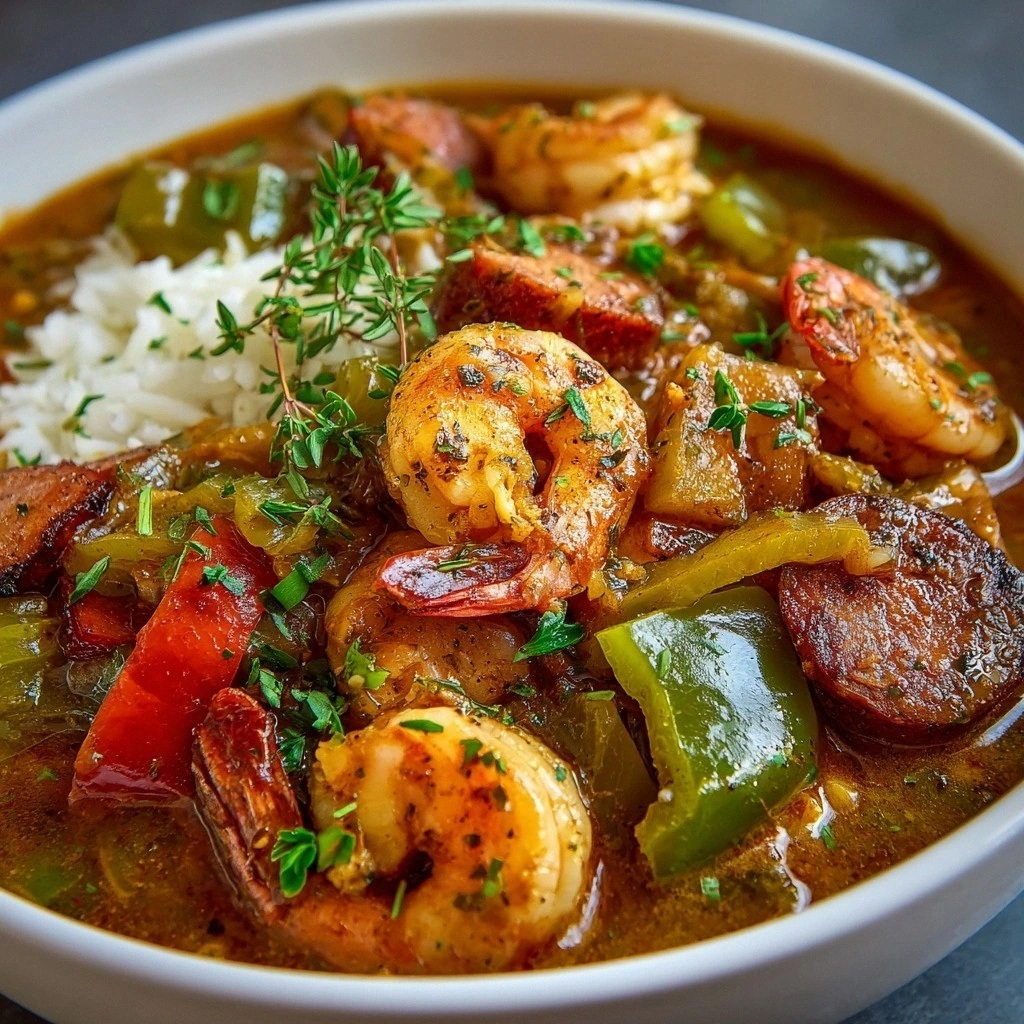
- Step 10: Serve Over Rice. Ladle the gumbo over a bed of cooked rice. Spoon the broth over the rice, ensuring each bite is soaked with flavor. Garnish with chopped green onions or parsley if desired. The rice will absorb the savory broth, making each mouthful a delight. Enjoy the rich, comforting taste of Mardi Gras gumbo.
That’s it — you did it. But hold on, I've got a few more tricks that'll take this to another level. These insider tips will help you avoid common pitfalls and elevate the gumbo's flavor even further.
Insider Tricks for Flawless Results
The Temperature Rule Nobody Follows
The key to a silky gumbo is keeping the simmer low. A rolling boil will break the roux and create a cloudy broth. I once accidentally let my gumbo boil, and it was a disaster. The fix? Turn the heat down to a gentle simmer and let the flavors meld. This simple rule ensures a smooth, glossy consistency.
Why Your Nose Knows Best
Smell the gumbo as it cooks. The aroma will tell you when the roux is ready and when the broth is thickening. If you notice a sharp, burnt scent, lower the heat immediately. My nose saved my gumbo on three occasions; it’s a reliable guide. Trust your senses for the best results.
The 5-Minute Rest That Changes Everything
Let the gumbo rest for 5 minutes off the heat before serving. This brief pause allows the flavors to settle and the broth to thicken slightly. It also makes the gumbo easier to spoon over rice. I’ve found this rest period turns a good gumbo into a great one. Try it next time.
Use Fresh Shrimp for the Sweetest Flavor
Fresh shrimp has a natural sweetness that frozen shrimp can’t match. If you’re in a pinch, thaw frozen shrimp in cold water, then pat dry before adding. This prevents excess water from diluting the broth. Fresh shrimp also cooks faster and stays tender. The difference is worth the extra step.
Add a Splash of Lemon Juice at the End
A squeeze of lemon juice brightens the gumbo and balances the richness. Add it right before serving for a fresh, zesty note. This is a small addition that can transform the dish. It’s a secret weapon for those who love a bright finish.
Keep the Bay Leaves Until the End
Bay leaves should stay in the pot until you’re ready to serve. Removing them earlier can cause the gumbo to lose its subtle depth. Bay leaves are like a silent partner, infusing the broth without overwhelming it. Keep them in for the full simmer and then discard.
Creative Twists and Variations
This recipe is a playground. Here are some of my favorite ways to switch things up:
Vegan Gumbo
Replace the sausage and chicken with smoked tofu and plant-based sausage. Use vegetable broth instead of chicken broth. Add a handful of chopped mushrooms for umami. The result is a hearty, plant-based gumbo that still delivers the classic flavor. Serve over rice for a satisfying meal.
Seafood-Only Gumbo
Omit the chicken and use a mix of shrimp, crab, and mussels. Keep the sausage for that smoky depth, or replace it with a smoked fish for a different twist. The broth will be lighter, but the seafood will still be delicious. This version is perfect for a seafood lover.
Low-Carb Version
Serve the gumbo over cauliflower rice instead of regular rice. Skip the flour in the roux and use a blend of almond flour and coconut flour for thickening. The dish will be lighter but still full of flavor. This is great for those watching their carbs.
Spicy Extra Kick
Add extra cayenne pepper or a splash of hot sauce during the simmering stage. For a smoky heat, incorporate chipotle powder. The gumbo will be fiery, but the flavors will still balance. Ideal for those who love a bold, spicy bite.
Breakfast Gumbo
Serve the gumbo over a bed of scrambled eggs and toast. Add a handful of spinach for extra nutrients. The savory broth pairs wonderfully with the eggs, creating a hearty breakfast. This twist turns gumbo into a comforting morning meal.
Gumbo with Polenta
Replace rice with creamy polenta for a comforting, comforting twist. The polenta absorbs the broth beautifully, creating a rich, velvety bite. The gumbo’s flavors meld with the polenta, offering a new texture experience. Perfect for a cozy dinner.
Storing and Bringing It Back to Life
Fridge Storage
Store the gumbo in an airtight container in the refrigerator for up to 4 days. Let it cool completely before sealing. The flavors will deepen over time, making it even more delicious. When reheating, add a splash of water or broth to restore moisture. This ensures the gumbo remains silky and flavorful.
Freezer Friendly
Gumbo freezes well for up to 3 months. Divide it into portion-sized containers, leaving a little headspace for expansion. Label with the date before freezing. Thaw overnight in the refrigerator or reheat directly from frozen on the stovetop. Keep the heat low to avoid scorching the roux.
Best Reheating Method
Reheat the gumbo slowly over low heat, stirring occasionally. Add a small splash of water or broth to loosen the sauce. Bring to a gentle simmer, then reduce heat and let it rest for a few minutes before serving. This method preserves the silky texture and deepens the flavors. The gumbo will taste as good as fresh.