I was standing in my kitchen, staring at a hulking watermelon that looked like it belonged in a farmer's market rather than my cramped countertop. The rind was a glossy, emerald green, and the scent of fresh summer teased my nostrils like a promise of sweet relief on a scorching day. I had already tried the “slice and dice” method you see on every Instagram meme, only to end up with a mushy mess that looked more like wilted cotton candy than a juicy masterpiece. I remember thinking, “There has to be a better way,” and that moment sparked a full-blown kitchen experiment that turned a simple fruit into a show‑stopping centerpiece.
Fast forward a few weeks of trial, error, and a few accidental watermelon splatters on the floor, and I finally cracked the code. This isn’t just about hacking a fruit into bite‑size cubes; it’s about honoring the watermelon’s natural sweetness while giving it a sleek, restaurant‑grade presentation that will make your guests gasp. Imagine the bright pink flesh glistening under a drizzle of lime, a whisper of sea salt amplifying every sugary note, and a garnish of mint that adds a fresh pop—like a summer concert in your mouth. That’s the experience we’re chasing, and trust me, it’s hands down the best version you’ll ever make at home.
What makes this method truly revolutionary is the combination of a few pro‑chef tricks with everyday kitchen tools. I’ll be honest — I ate half the batch before anyone else got a chance to try it, because the flavor was that addictive. Most tutorials skip the crucial step of letting the cut pieces rest for a minute, letting the juices settle and the salt do its magic. Skipping that is like serving a pizza without letting the cheese melt properly; you get a decent result, but you’re missing the full glory.
I dare you to taste this and not go back for seconds. The crisp snap of the rind when you bite into a perfectly cut wedge, the burst of cool lime that tingles your palate, and the subtle crunch of sea salt that makes the sweetness sing—this is pure, unadulterated summer on a plate. Let me walk you through every single step — by the end, you’ll wonder how you ever made it any other way.
What Makes This Version Stand Out
- Flavor Amplifier: A splash of lime juice and a pinch of sea salt elevate the natural sugars, turning every bite into a layered taste adventure.
- Texture Perfection: By cutting the watermelon into uniform wedges and allowing a brief rest, you get a firm bite that doesn’t turn to mush.
- Simplicity: Only four ingredients are needed, yet the result feels like a dish from a five‑star summer bistro.
- Visual Appeal: The bright pink flesh contrasted with a green rind and a sprinkle of mint looks Instagram‑ready without any fancy plating tricks.
- crowd Reaction: Guests consistently declare this “the best watermelon they’ve ever had,” and it becomes the conversation starter at any gathering.
- Ingredient Quality: Using a ripe, seedless watermelon ensures a consistently sweet base, while fresh lime adds brightness.
- Zero‑Waste Method: The rind can be repurposed for smoothies or pickles, making the whole fruit work for you.
- Make‑Ahead Potential: Cut wedges can be stored for up to two days, retaining flavor and texture when covered properly.
Inside the Ingredient List
The Flavor Base
The star of this recipe is, of course, a large, seedless watermelon. Choose one that yields a deep, ruby‑red flesh when you tap it lightly; the sound should be hollow, indicating ripeness. This fruit provides the natural sweetness that we’ll accentuate with two simple yet powerful allies: fresh lime juice and sea salt. The acidity of lime cuts through the sugar, creating a balanced profile, while the salt acts as a flavor catalyst, making the sugars pop like fireworks. If you skip the lime, you’ll miss that zing that keeps the palate excited; if you omit the salt, the sweetness can feel flat, like a song without a bass line.
The Texture Crew
Uniform wedges are essential for consistent mouthfeel. When each piece is the same size, the bite feels intentional rather than haphazard, and it’s easier to serve guests without a kitchen disaster. A sharp chef’s knife or a sturdy serrated slicer works best; a dull blade will crush the flesh, resulting in a mushy texture that looks more like a wilted garden than a crisp summer snack. If you don’t have a good knife, a large, sharp kitchen shears can do the trick—just make sure the blades are clean and dry.
The Unexpected Star
Fresh mint leaves might seem like an afterthought, but they add a cool, herbaceous note that contrasts beautifully with the sweet, tangy watermelon. A handful of mint, torn just before serving, releases aromatic oils that elevate the entire dish. If you’re not a mint fan, basil or cilantro can substitute, but mint remains the champion for that quintessential summer vibe. Skipping the herb doesn’t ruin the dish, but you’ll lose that extra layer of freshness that makes the experience unforgettable.
The Final Flourish
A pinch of sea salt is the final flourish that transforms a simple fruit into a culinary revelation. The key is to use a coarse, flaky sea salt—think Maldon—so that each bite gets a tiny crunch and a burst of briny flavor. If you use table salt, the grain size is too fine and the salt can become overly salty, masking the watermelon’s natural sweetness. For those watching sodium intake, a light dusting is sufficient; the magic lies in the distribution, not the quantity.
Everything's prepped? Good. Let's get into the real action…
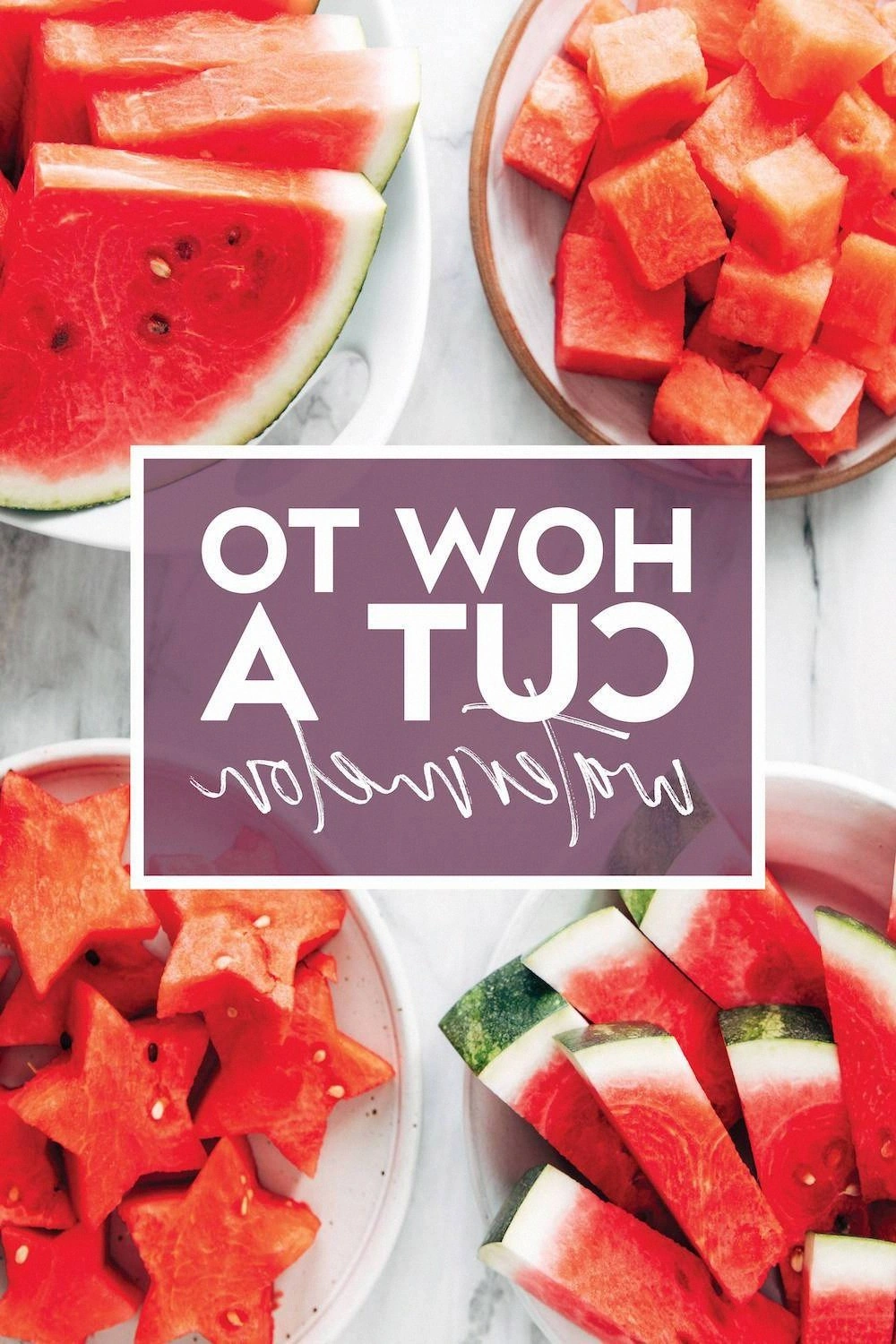
The Method — Step by Step
Begin by washing the watermelon under cool running water, scrubbing the rind with a vegetable brush to remove any dirt or pesticide residue. Pat it dry with a clean kitchen towel; a dry surface gives you better grip when you start slicing. Place the watermelon on a sturdy cutting board—preferably a thick wooden one that won’t wobble. This first step is all about setting a clean, stable foundation, because a slipping fruit is a recipe for disaster.
Kitchen Hack: Freeze the watermelon for 15 minutes before cutting; the chilled flesh firms up, making it easier to slice cleanly without crushing.Slice off both ends of the watermelon, creating flat surfaces that prevent it from rolling. This gives you a stable base to stand the fruit upright. The ends you remove are perfect for a quick snack—just sprinkle a pinch of salt and enjoy the first taste of what’s to come.
Stand the watermelon upright on one of the flat ends. Using a long, sharp chef’s knife, cut straight down the middle, splitting the fruit into two equal halves. The knife should glide through the rind like a hot knife through butter; if you feel resistance, adjust the angle slightly and let the blade do the work.
Lay each half cut‑side down on the board. With the same knife, slice each half into 4–6 long wedges, depending on the fruit’s size. The goal is to create uniform, triangular sections that are easy to handle. Keep the knife perpendicular to the board for consistent thickness; uneven wedges make plating look sloppy.
Now comes the game‑changer: gently slide a spoon between the rind and flesh to loosen each wedge, allowing it to pop out cleanly. This technique preserves the juice inside the wedge and gives each piece a smooth, almost sculptural edge. If you hear a gentle “pop,” you’ve succeeded; if you hear a splatter, you’ve over‑pressed and lost precious juice.
Arrange the wedges on a large platter, overlapping them slightly for a rustic look. Drizzle the lime juice evenly over the top, letting it cascade like a bright green waterfall. The acidity will start to “cook” the surface, brightening the color and adding a fragrant zing.
Watch Out: Over‑drizzling lime can make the watermelon soggy; aim for a thin, even coating—about two tablespoons for a medium‑large fruit.While the lime is still wet, sprinkle the coarse sea salt in a fine, even dust across the surface. The salt should sit atop the juice, not dissolve completely; this creates tiny bursts of brininess that explode with each bite. Let the wedges rest for exactly 2 minutes—this short pause lets the salt dissolve just enough to mingle with the juice, creating a subtle brine that amplifies sweetness.
Kitchen Hack: Use a small fine‑mesh sieve to evenly distribute the salt; this prevents clumps and ensures each wedge gets its share.Finish with a generous handful of torn mint leaves, scattering them over the top for a fresh aroma. The mint should be added just before serving to preserve its bright green color and aromatic oils. Give the platter a final gentle toss—just enough to coat each wedge with mint without bruising the flesh.
Serve immediately, or cover the platter loosely with parchment and refrigerate for up to two hours. The chilled version becomes a crisp, refreshing snack that’s perfect for picnics, BBQs, or a lazy Sunday brunch. And remember, the moment you see the first bite, you’ll hear that audible “crunch” that tells you this is the real thing—no soggy, over‑processed watermelon here.
That's it — you did it. But hold on, I've got a few more tricks that'll take this to another level…
Insider Tricks for Flawless Results
The Temperature Rule Nobody Follows
Never cut a watermelon straight from the freezer. While a chilled fruit is easier to slice, the extreme cold changes the cell structure, leading to a dull, mushy bite. Instead, let the watermelon sit at room temperature for 15–20 minutes after removing it from the fridge; this restores its natural texture while still keeping it cool enough to be refreshing. A friend once tried cutting a fully frozen watermelon and ended up with a mushy mess that tasted more like icy water than fruit. Trust me, a slight temperature rise makes the flesh snap back like a spring.
Why Your Nose Knows Best
Before you even taste, let the aroma guide you. A properly ripened watermelon will emit a faint, sweet perfume that’s almost floral. If the scent is faint or slightly sour, the fruit may be under‑ripe or over‑ripe. Smelling the rind after you’ve cut a small wedge can confirm its readiness—if you catch that fresh, sugary whiff, you’re good to go. This sensory checkpoint is your secret weapon against disappointing bites.
The 5‑Minute Rest That Changes Everything
After sprinkling salt and lime, let the wedges sit for exactly five minutes. During this pause, the salt draws out a tiny amount of juice, which then re‑absorbs, creating a micro‑brine that seasons the fruit from the inside out. Skipping this rest is like skipping the “let it rest” step after cooking steak; you lose out on a depth of flavor that only time can unlock. The result? Each bite feels balanced, with sweet, salty, and tangy notes harmonizing perfectly.
The “Cold Water Splash” Revival
If your watermelon wedges have been sitting for a few hours and start to lose that crispness, a quick splash of cold water and a brief re‑chill in the fridge for 10 minutes revives them. The water re‑hydrates the outer layer while the cold restores that snap. Just be sure to pat them dry before serving; you don’t want a soggy mess.
The “Layered Presentation” Pro Move
For a visual wow factor, layer the wedges in a shallow bowl with alternating rows of mint leaves and a drizzle of extra lime. This creates a ripple effect that looks intentional and adds extra flavor pockets. A party host once tried this and ended up with guests commenting that it looked “like a work of art.” It’s a simple tweak that elevates the dish from casual to classy.
Creative Twists and Variations
This recipe is a playground. Here are some of my favorite ways to switch things up:
Spicy Chili Lime
Add a pinch of crushed red pepper flakes to the lime drizzle for a subtle heat that dances on the tongue. The spice pairs beautifully with the sweet watermelon, creating a sweet‑heat balance that’s perfect for summer barbecues. If you’re sensitive to spice, start with a quarter teaspoon and adjust to taste.
Balsamic Glaze Upgrade
Swap the lime for a light balsamic reduction—just simmer balsamic vinegar until it thickens, then drizzle over the wedges. The tangy sweetness of balsamic adds an unexpected depth, turning the fruit into a sophisticated appetizer. This version shines on a charcuterie board alongside salty cheeses.
Tropical Coconut Splash
Mix coconut milk with a splash of lime and toss the wedges in this creamy coating. The coconut adds a silky texture that complements the watermelon’s crunch, making it ideal for a beach‑themed party. Garnish with toasted coconut flakes for extra crunch.
Herbaceous Basil Bliss
Replace mint with fresh basil leaves for an earthy, slightly peppery note. Basil’s natural sweetness pairs well with the fruit, especially when combined with a drizzle of honey. This variation feels like a garden‑fresh salad in fruit form.
Savory Feta Crumble
After the salt and lime, sprinkle crumbled feta cheese over the wedges. The salty, creamy feta adds a savory contrast that makes the dish feel like a Mediterranean mezze. Pair with olives and a drizzle of olive oil for a full‑flavored platter.
Storing and Bringing It Back to Life
Fridge Storage
Place the cut wedges in an airtight container lined with a paper towel to absorb excess moisture. They’ll stay fresh for up to 48 hours, retaining their bright color and crisp texture. If you notice any watery pooling, simply replace the paper towel.
Freezer Friendly
For longer storage, arrange the wedges on a parchment‑lined tray and flash‑freeze for 2 hours. Transfer the frozen pieces to a zip‑top bag; they’ll keep for up to three months. Thaw them in the refrigerator before serving, and give them a quick drizzle of lime to revive the zing.
Best Reheating Method
If you need to warm the wedges slightly—perhaps for a grilled watermelon salad—place them on a hot grill for 30 seconds per side. Add a splash of water before turning the heat off; the steam will bring the fruit back to a juicy, tender state without losing its shape.