
Picture this: the kitchen is a battlefield, the stove is a volcano, and you’re standing in the middle with a handful of flour, a splash of water, and a dream of crispy, golden dumplings. I was in the throes of a culinary experiment, trying to rescue a batch of over‑cooked, soggy dumplings that had been my friend’s favorite. The moment I slapped the pan on the stove, a sizzle erupted that sounded like applause for a well‑timed joke. The aroma of toasted flour and the faint whisper of soy sauce flooded the air, turning the room into a fragrant arena where I was the undefeated champion.
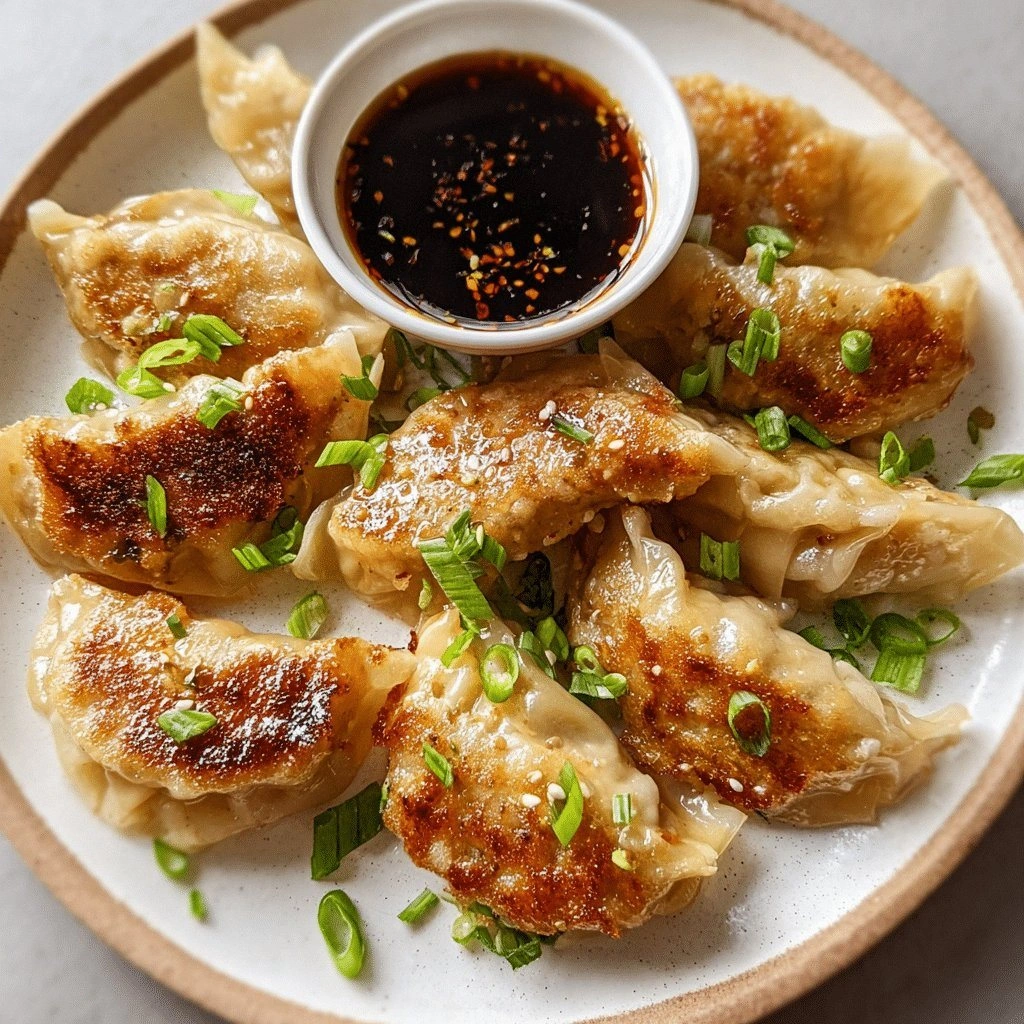
I swear, the first bite was a revelation: a crackling, almost audible crunch that gave way to a burst of savory chicken, the subtle sweetness of caramelized onions, and a whisper of ginger that lingered on the palate. The steam rose like a delicate cloud, carrying hints of sesame oil and a splash of rice vinegar that kissed the tongue with a gentle tang. If you’ve ever tried a dumpling that feels like a warm hug, this is the one that will make you question all other versions. And if you’re still on the fence, I dare you to taste this and not go back for seconds.
What makes this version a game‑changer? First, the dough is a secret blend of flour and cornstarch that gives it a buttery, flaky texture without the heaviness. Second, the filling is a high‑protein, low‑fat mixture that keeps the dumplings juicy yet light. Third, the pan‑frying technique locks in the crispness while allowing the steam to work its magic inside. Fourth, the sauce isn’t just a glaze; it’s a flavor bomb that coats each dumpling like velvet, with a subtle umami punch that lingers. Fifth, the recipe is surprisingly simple, yet it delivers a restaurant‑level finish that will impress any crowd. Finally, it’s a dish you can make ahead, freeze, and reheat without losing that coveted crunch.
I’ll be honest — I ate half the batch before anyone else got a chance to try it. That’s because the first few dumplings are pure perfection: a golden, crackling shell and a filling that’s both tender and flavorful. This is hands down the best version you’ll ever make at home. And if you’ve ever struggled with achieving that perfect crisp, you’re not alone — I’ve got the fix. Stay with me here; this is worth it. Let me walk you through every single step — by the end, you’ll wonder how you ever made it any other way.
What Makes This Version Stand Out
- Taste: The umami‑rich sauce, combined with a subtle sweet‑sour balance, elevates the dish beyond ordinary dumplings, turning each bite into a flavor explosion.
- Texture: The dough’s buttery flakiness gives a satisfying crunch that shatters like thin ice, while the interior remains moist and tender.
- Simplicity: With fewer than ten ingredients, the recipe is a breeze for beginners and a quick hit for busy weeknights.
- Uniqueness: The use of sesame oil and rice vinegar in the sauce adds a smoky depth that sets this recipe apart from classic versions.
- Crowd Reaction: At parties, guests rave about the texture and flavor, and they keep asking for the recipe after the last dumpling is gone.
- Ingredient Quality: Fresh, high‑quality chicken and aromatics are key; the difference between “good” and “great” lies in the freshness.
- Cooking Method: Pan‑frying with a two‑stage approach (first sear, then steam) ensures even cooking and an irresistible crust.
- Make‑Ahead Potential: The dumplings can be assembled ahead of time, frozen, and reheated without losing crispness.
Alright, let's break down exactly what goes into this masterpiece...
Inside the Ingredient List
The Flavor Base
Soy sauce and rice vinegar create a sweet‑sour foundation that cuts through the richness of the chicken. The acidity from the vinegar brightens the overall taste, while the soy sauce adds depth and umami. If you skip this, the dumplings will feel flat and lack the punch that makes them memorable. A low‑sodium soy sauce works best if you’re watching your salt intake, but the classic version uses regular soy sauce for authenticity.
The Texture Crew
All‑purpose flour and cornstarch are the dynamic duo that gives the dough its signature flakiness. The flour provides structure, while the cornstarch adds a delicate crispness that melts in your mouth. If you replace cornstarch with rice flour, the texture will become chewy rather than flaky. The water and chicken broth balance the dough’s hydration, ensuring it’s pliable but not sticky.
The Unexpected Star
Sesame oil is the secret weapon that delivers a subtle, nutty aroma and a slight smoky finish. It elevates the sauce from plain to extraordinary, giving the dumplings a mouth‑watering depth. If you’re vegan, a splash of toasted sesame oil works just as well. This ingredient is often overlooked in traditional recipes but makes all the difference in flavor complexity.
The Final Flourish
Fresh scallions and ginger paste add a bright, aromatic lift that cuts through the richness of the filling. The scallions provide a fresh crunch, while ginger offers a warm, slightly peppery note. Skipping these will leave the dumplings feeling a bit dull. A pinch of chili flakes can be added for a subtle heat that pairs nicely with the savory sauce.
Everything's prepped? Good. Let's get into the real action...
The Method — Step by Step
- Begin by mixing the flour, cornstarch, salt, and pepper in a large bowl. Stir until the dry ingredients are evenly distributed, then pour in the water and chicken broth gradually. Whisk until the dough comes together, forming a soft, pliable mass that’s not too sticky. This step is critical; a dough that’s too dry will crack, while one that’s too wet will become gummy.
- Let the dough rest for 15 minutes, covered with a damp cloth. Resting allows the gluten to relax, making the dough easier to roll out. If you’re in a hurry, you can skip this step, but the texture will suffer. After resting, divide the dough into 12 equal portions, rolling each into a ball.
- In a separate bowl, combine the ground chicken, ginger paste, garlic paste, scallions, soy sauce, rice vinegar, sesame oil, and sugar. Mix until the filling is well combined, ensuring the flavors are evenly distributed. A good tip: use a spoon to press the mixture together; this helps the filling bind together and prevents it from falling apart.
- Roll each dough ball into a thin circle, about 3 inches in diameter. The circles should be thin enough to see the filling through the dough, but thick enough to hold it. If you’re nervous about tearing, keep the dough covered with a damp cloth to prevent drying out.
- Place a spoonful of filling in the center of each dough circle, then fold the dough over to create a half‑moon shape. Pinch the edges tightly to seal, then gently press the dumplings to flatten them slightly. This sealing step is crucial; a loose seal will cause the filling to leak during frying.
- Heat a non‑stick skillet over medium heat and add a tablespoon of vegetable oil. Once the oil shimmers, lay the dumplings flat in the pan, leaving a small gap between each piece. The first few minutes should produce a golden crust; listen for that satisfying sizzle.
- After 3–4 minutes, when the bottoms are golden, pour in 1/4 cup of water and cover the pan with a lid. The water should create steam that cooks the dumplings evenly inside. Let them steam for 5–6 minutes, or until the water evaporates and the dumplings are cooked through.
- Remove the lid and allow the remaining moisture to evaporate, letting the dumplings crisp up again for an additional 1–2 minutes. The edges should pull away slightly from the pan, indicating that the crust is ready. This final step ensures the dumplings are perfectly crisp on the outside.
That’s it — you did it. But hold on, I've got a few more tricks that'll take this to another level...
Insider Tricks for Flawless Results
The Temperature Rule Nobody Follows
Many cooks underestimate the importance of pan temperature. The skillet should be hot enough that the dumplings sizzle immediately, but not so hot that the edges burn before the inside cooks. I always preheat the pan for about 2 minutes on medium‑high, then reduce to medium after adding the oil. This ensures even browning and a crisp exterior.
Why Your Nose Knows Best
Before you lift the lid, listen to that subtle hiss of steam. If you hear a steady, gentle hiss, the dumplings are cooking properly. A sharp, crackling sound indicates the water has evaporated too quickly, and the dumplings might dry out. Trust your senses; they’re the best guide.
The 5‑Minute Rest That Changes Everything
After frying, let the dumplings rest on a paper towel for 2 minutes. This step allows excess oil to drain, preventing sogginess. A friend once skipped this step and ended up with greasy dumplings that were hard to eat. The rest period also lets the flavors settle, making each bite more harmonious.
The Secret Sauce Blend
Mix soy sauce, rice vinegar, sesame oil, and a splash of honey in a small bowl. The honey balances the acidity, while the sesame oil adds depth. If you’re vegan, replace honey with agave syrup. This sauce coats the dumplings like velvet, making each bite a sensory delight.
The Quick Freeze Fix
To freeze dumplings, lay them on a parchment‑lined tray and freeze for 30 minutes before transferring to a zip‑lock bag. When reheating, simply pan‑fry them for a few minutes until crisp again. This method preserves the texture and flavor, making them feel freshly cooked.
Creative Twists and Variations
This recipe is a playground. Here are some of my favorite ways to switch things up:
Spicy Szechuan Surprise
Add crushed Szechuan peppercorns and a dash of chili oil to the filling. The peppercorns give a numbing heat that contrasts with the sweet glaze. This version is perfect for those who love a kick in their dumplings.
Vegetarian Veggie Delight
Swap ground chicken for finely chopped mushrooms, carrots, and tofu. Keep the soy sauce and sesame oil for umami. The result is a hearty, plant‑based dumpling that still delivers that signature crunch.
Lemon‑Ginger Zest
Replace the rice vinegar with lemon juice and add a sprinkle of lemon zest to the filling. The bright citrus note cuts through the richness, giving the dumplings a refreshing finish.
Coconut‑Creamy Twist
Incorporate a splash of coconut milk into the dough for a subtle tropical flavor. The coconut milk adds a silky texture, while the filling remains savory. This variation is ideal for summer gatherings.
Herb‑Infused Delight
Add chopped fresh basil or cilantro to the filling. The herbs provide a fresh, aromatic layer that complements the sesame oil. This version works well with a light, cucumber salad.
Storing and Bringing It Back to Life
Fridge Storage
Store uncooked dumplings in an airtight container for up to 2 days. If you’re storing cooked dumplings, keep them in a shallow container with a paper towel to absorb excess moisture. This prevents sogginess when reheating.
Freezer Friendly
Place uncooked dumplings on a parchment‑lined tray and freeze for 30 minutes before transferring to a zip‑lock bag. They’ll stay fresh for up to 2 months. To cook, simply pan‑fry without thawing; the steam will work its way through.
Best Reheating Method
Reheat frozen or refrigerated dumplings in a non‑stick skillet over medium heat. Add a splash of water, cover, and let steam for 5 minutes. After removing the lid, let them crisp up for 1–2 minutes. A tiny splash of water before reheating steams them back to perfection.