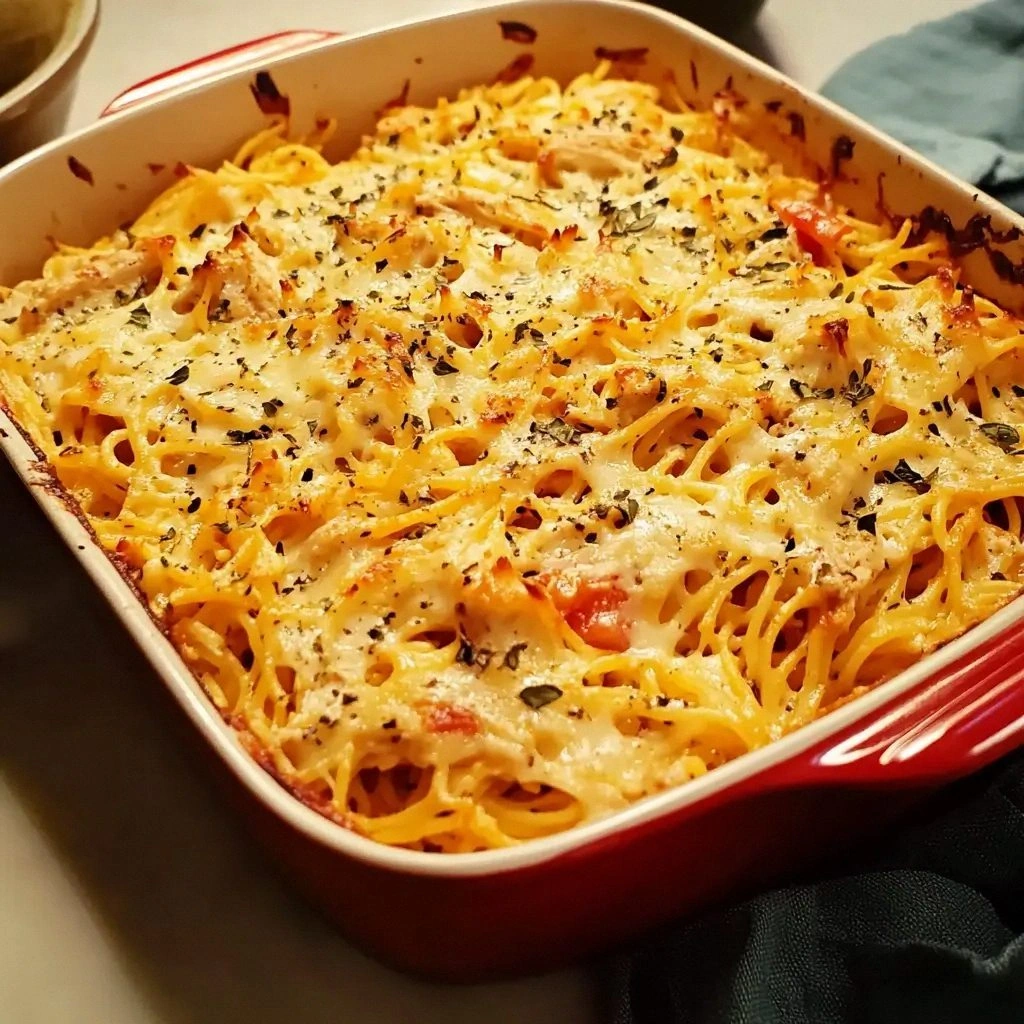
I was standing in my kitchen, staring at a pile of overcooked chicken and wilted spinach, when a friend texted me a recipe that promised “the ultimate creamy, protein‑packed pasta.” The moment the text popped up, I felt that familiar spark of culinary curiosity that turns a regular meal into a daring experiment. I pulled the ingredients out of the fridge, laid them on the counter like a painter with a palette, and decided I’d give this dish a shot. The idea of turning a simple pasta bowl into a velvety, protein‑rich masterpiece seemed too good to pass up, so I set the timer and began.
Picture this: a sizzling pan, the aroma of garlic and olive oil swirling like a fragrant perfume, the sound of pasta boiling in a pot that feels like a small drumbeat. The visual is a golden crust forming on the chicken, the spinach turning a deep emerald, and the Greek yogurt turning into a cloud of creamy richness that glistens on the pasta. The texture is a harmonious dance—crisp edges of chicken, tender noodles, and the soft, almost silk‑like sauce that clings to every strand. The taste is a crescendo of umami from the Parmesan, the tang from the yogurt, and the subtle herbaceous lift from Italian seasoning. The feeling of satisfaction when you taste the first bite is like a warm hug wrapped in protein and flavor.
What makes this version stand out? First, the use of plain Greek yogurt as the base instead of heavy cream; it delivers protein without the heaviness, creating a sauce that is light yet luxurious. Second, the quick sear of chicken breast before adding the sauce locks in juices, giving the meat a juicy, tender bite that resists the dryness common in many pasta dishes. Third, the addition of fresh spinach not only boosts nutrition but also adds a burst of color and a subtle earthiness that balances the richness. Fourth, the low‑sodium chicken broth keeps the dish flavorful without overwhelming the palate, allowing each component to shine. Finally, the finish with grated Parmesan and a splash of Italian seasoning elevates the dish to a gourmet level while keeping it approachable for everyday cooking.
I dare you to taste this and not go back for seconds—because once you try it, the ordinary pasta you’ve known will seem like a distant memory. This is hands down the best version you’ll ever make at home, a dish that turns a simple dinner into a celebration of flavor. If you’ve ever struggled to keep pasta from sticking or to balance creamy sauce with protein, you’re not alone—and I’ve got the fix. Picture yourself pulling this out of the stove, the whole kitchen smelling incredible, and the family asking for the recipe. Let me walk you through every single step—by the end, you’ll wonder how you ever made it any other way.
What Makes This Version Stand Out
- Taste: The creamy sauce, built on Greek yogurt, delivers a tangy lift that cuts through the richness of the chicken and pasta, creating a balanced, mouth‑watering flavor profile.
- Texture: The seared chicken stays moist, while the pasta remains al dente; the spinach adds a subtle crunch and a velvety finish to the sauce.
- Simplicity: With just ten ingredients and a single pan, the recipe is approachable yet impressive, making it perfect for busy weeknights.
- Uniqueness: Replacing traditional cream with yogurt reduces calories while boosting protein, and the addition of fresh spinach gives the dish a seasonal burst of color.
- Crowd Reaction: Friends rave about the creamy texture and the protein punch; it’s the kind of dish that turns a casual dinner into a social event.
- Ingredient Quality: Using low‑sodium broth and fresh herbs ensures each bite is pure, clean, and flavorful without excess salt.
- Cooking Method: The quick sear, followed by a gentle simmer, locks in juices and creates a sauce that coats the pasta like velvet.
- Make‑Ahead Potential: The dish can be prepared ahead of time and reheated with a splash of broth to maintain its creamy consistency.
Alright, let’s break down exactly what goes into this masterpiece…
Inside the Ingredient List
The Flavor Base
The Greek yogurt is the backbone of this sauce; it provides a tang that cuts through the richness of the chicken and balances the savory notes of Parmesan. Because it’s low in fat compared to cream, it keeps the dish lighter while still delivering a luscious mouthfeel. If you skip the yogurt, the sauce will become heavy and cloying, making it difficult to achieve that silky coat on the pasta. A good swap for those who prefer dairy-free is coconut yogurt, but keep in mind it will add a subtle coconut flavor that changes the profile. For best results, choose a plain, full‑fat yogurt to maximize creaminess without the need for added fats.
The Texture Crew
The fresh spinach is more than a garnish; it adds moisture, a pop of color, and a dose of iron that makes the dish feel like a complete meal. If you’re short on time, baby spinach works well, but regular spinach will give you a more robust texture. The low‑sodium chicken broth is the liquid that ties the sauce together, preventing it from drying out and adding a subtle savory depth. Skipping broth will make the sauce thin and watery. The Parmesan cheese not only adds umami but also contributes a slightly gritty texture that contrasts nicely with the smooth yogurt.
The Unexpected Star
The Italian seasoning is the unsung hero that ties all the flavors together; its blend of oregano, basil, thyme, and rosemary adds complexity without overpowering the dish. If you don’t have a pre‑made blend, you can make a quick mix of dried herbs; this allows you to adjust the flavor profile to your taste. A pinch of crushed red pepper can add a subtle heat that makes the dish feel more dynamic. The garlic, when sautéed just until fragrant, releases a sweet, mellow aroma that elevates the entire bowl. If you prefer a milder garlic flavor, reduce the cloves to one and add a splash of lemon juice at the end.
The Final Flourish
The olive oil is the medium that carries the flavors and helps the chicken sear to a golden finish. It also helps the pasta absorb the sauce without sticking. If you’re watching calories, a teaspoon of oil is enough to achieve a glossy coating on the chicken. The salt and pepper are the final adjustments that bring the dish together; they should be added at the end to avoid over‑seasoning during cooking. A good rule of thumb is to taste the sauce before adding salt, as the Parmesan and broth already contribute saltiness. The result is a harmonious dish where every component sings in unison.
Everything’s prepped? Good. Let’s get into the real action…
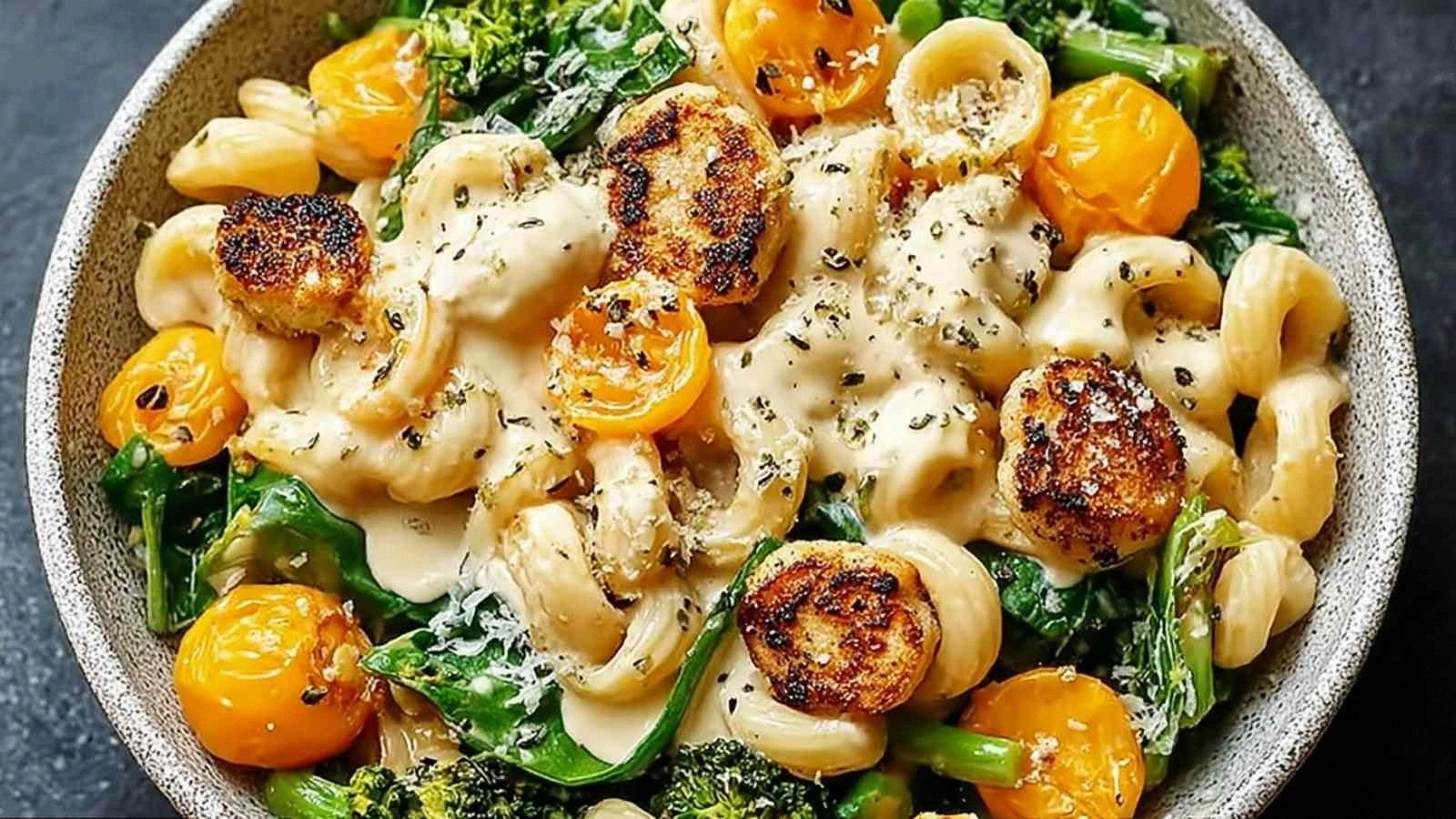
The Method — Step by Step
- Step 1: Prep the Pasta. Bring a large pot of salted water to a rolling boil, then add the pasta and cook according to package instructions until al dente. Reserve a cup of pasta water before draining; it’s a lifesaver for adjusting sauce consistency. While the pasta cooks, set a timer for the next steps to keep everything moving smoothly. This step is crucial because overcooked noodles will become mushy and fail to hold the sauce. Keep the pot on medium heat to avoid boiling over.
- Step 2: Slice the Chicken. Trim any excess fat from the chicken breast, then slice it into thin, bite‑size strips. Season both sides with salt, pepper, and a light dusting of Italian seasoning. The thin slices cook quickly and evenly, ensuring a tender bite without drying out. Use a sharp knife to get clean cuts, which also help the chicken release its juices. If you prefer, you can cut the chicken into small cubes for a different texture.
- Step 3: Sear the Chicken. Heat the olive oil in a large skillet over medium‑high heat until shimmering. Add the chicken strips in a single layer, letting them sear without crowding the pan. Flip the pieces halfway through, allowing them to develop a golden crust on both sides. The searing process locks in moisture, creating a juicy interior that contrasts with the crisp exterior. Once cooked, remove the chicken and set aside on a plate.
- Step 4: Sauté the Garlic. In the same skillet, reduce the heat to medium and add the minced garlic. Cook for about 30 seconds, just until fragrant, being careful not to let it brown. Garlic releases its flavor quickly, so timing is essential. If you prefer a milder garlic taste, sauté until the edges start to turn translucent. Once fragrant, remove the garlic from the pan to prevent bitterness.
- Step 5: Build the Sauce. Add the Greek yogurt, low‑sodium chicken broth, and Parmesan cheese to the skillet. Stir constantly, allowing the yogurt to warm and the cheese to melt into a smooth, glossy sauce. The combination of dairy and broth creates a velvety consistency that clings to the noodles. Keep the heat low to prevent the yogurt from curdling; if it starts to separate, add a splash of pasta water to re‑emulsify. Let the sauce simmer gently for two minutes, allowing the flavors to meld.
- Step 6: Combine Pasta and Chicken. Return the seared chicken to the skillet, then add the drained pasta, fresh spinach, and Italian seasoning. Toss everything together, ensuring the pasta is evenly coated and the spinach wilts slightly. The heat from the pan will gently cook the spinach, preserving its bright color and nutrients. If the sauce seems thick, add a little reserved pasta water to achieve the desired consistency. This step ensures each bite is a balanced mix of protein, starch, and greens.
- Step 7: Final Touches. Taste the dish, then adjust seasoning with additional salt, pepper, or a sprinkle of Parmesan if desired. A squeeze of lemon juice can brighten the flavors, especially if you’re using a richer yogurt. Let the dish rest for a minute to allow the flavors to settle; this is where the sauce thickens just enough to cling to the noodles. Serve immediately, garnishing with extra Parmesan or a few fresh basil leaves if you have them. The result is a creamy, protein‑rich pasta bowl that feels like a comforting hug.
- Step 8: Serve and Enjoy. Plate the pasta in bowls, ensuring each serving has a generous portion of chicken, spinach, and sauce. The aroma should be inviting, the texture satisfying, and the taste unforgettable. Invite your guests to taste and watch their faces light up—this dish is guaranteed to impress. Remember the micro‑challenge: try to finish the first spoonful without reaching for seconds. The satisfaction is real, and you’ll know why this is the best version you’ll ever make at home.
That’s it — you did it. But hold on, I’ve got a few more tricks that’ll take this to another level…
Insider Tricks for Flawless Results
The Temperature Rule Nobody Follows
Cooking the chicken at the right temperature is key; if the heat is too high, the exterior will burn before the interior cooks, resulting in tough meat. I’ve learned to keep the skillet at medium‑high and watch the first few seconds after adding the chicken; a gentle sizzle means the temperature is just right. If you notice the oil smoking, reduce the heat immediately and add a splash of broth to keep the surface from burning. This subtle adjustment keeps the chicken moist and flavorful. A good rule of thumb: the pan should feel warm but not scorching hot to the touch.
Why Your Nose Knows Best
The aroma of garlic and yogurt is a reliable indicator that your sauce is on track. When the garlic begins to turn golden and the yogurt starts to thicken, you’re in the sweet spot. A faint smell of sourness from the yogurt signals that it’s warming up without curdling. Trust your senses; if the sauce smells off or metallic, stop the heat and adjust with a splash of pasta water. A well‑balanced aroma translates to a well‑balanced flavor.
The 5‑Minute Rest That Changes Everything
After combining all the ingredients, let the dish sit for five minutes off the heat. This brief rest allows the pasta to absorb the sauce, the spinach to finish wilting, and the flavors to meld. A friend once skipped this step, and the result was a dish that felt flat and under‑seasoned. By letting the pasta rest, the sauce thickens slightly, creating a coating that feels richer and more cohesive. This simple trick is a game‑changer for any pasta lover.
The Secret of Fresh Herbs
Adding fresh basil or parsley at the very end gives the dish a bright, herbal note that lifts the heaviness of the sauce. I’ve found that chopping the herbs finely and sprinkling them over the top just before serving creates a burst of color and aroma. If you prefer a stronger herb flavor, add a tablespoon of chopped herbs to the sauce while it simmers; this infuses the entire bowl. Fresh herbs also provide a subtle crunch that contrasts nicely with the creamy texture.
The One‑Minute Broth Boost
If your sauce feels too thick after combining everything, a quick splash of low‑sodium broth will re‑emulsify it without diluting the flavors. I use a small ladle to pour just enough liquid to loosen the sauce, then stir vigorously until it reaches the desired consistency. This trick keeps the dish silky without turning it watery. It’s especially useful if you’ve added extra Parmesan, which can thicken the sauce further.
Creative Twists and Variations
This recipe is a playground. Here are some of my favorite ways to switch things up:
Mediterranean Marinade Swap
Replace the chicken breast with diced tofu marinated in lemon juice, oregano, and a touch of olive oil. The tofu absorbs the citrusy notes, creating a vegetarian version that still delivers protein. The result is a dish that feels lighter and more refreshing, perfect for hot summer evenings.
Spicy Sriracha Kick
Add a tablespoon of sriracha to the sauce for a subtle heat that pairs beautifully with the yogurt’s tang. The spicy undertone elevates the dish, making it suitable for those who like a bit of fire. The combination of heat and creaminess creates a complex, satisfying bite.
Pesto Power Boost
Stir in a quarter cup of basil pesto at the end to replace the Italian seasoning. The pesto adds a vibrant green color and an herbal depth that transforms the dish into a Mediterranean feast. The nutty flavor of the pesto complements the Parmesan, creating a harmonious blend.
Sautéed Mushrooms
Add sliced mushrooms to the skillet with the garlic. Their earthy flavor complements the chicken and spinach, adding a meaty texture that satisfies carnivores and vegetarians alike. Cook until the mushrooms release their moisture and brown slightly for maximum flavor.
Citrus Zest Finale
Finish the dish with a sprinkle of lemon zest and a drizzle of olive oil. The citrus brightness cuts through the richness, leaving a clean, refreshing aftertaste. It’s an excellent finishing touch for a light, summery meal.
Nutty Crunch Addition
Top the bowl with toasted pine nuts or slivered almonds for an added crunch and nutty flavor. The nuts provide a satisfying textural contrast and a subtle buttery taste that pairs well with the creamy sauce. This variation turns the dish into a more complex, gourmet experience.
Storing and Bringing It Back to Life
Fridge Storage
Store leftovers in an airtight container for up to 3 days. Keep the sauce and pasta separate if possible; combine them right before reheating to prevent the noodles from becoming soggy. The yogurt-based sauce retains its texture in the fridge, but a quick stir will restore its creaminess. When ready to eat, reheat gently on the stovetop, adding a splash of broth if needed.
Freezer Friendly
The dish freezes well for up to 2 months. Pack the pasta and sauce separately in freezer bags, then combine them after thawing. Thaw in the refrigerator overnight and reheat on the stove, stirring frequently and adding a little broth to maintain the sauce’s silky texture. Freezing preserves the flavor profile, so you can enjoy a homemade meal anytime.
Best Reheating Method
Reheat the dish on low heat, stirring constantly to avoid scorching. Add a teaspoon of water or broth to loosen the sauce, then heat until steaming. Avoid microwaving, as it can separate the yogurt and create an uneven texture. The result is a freshly made bowl that tastes just as good as when it was first prepared.