I once tried to make a classic potato gratin after a long day at work, only to end up with a soggy, flavor‑less slab that looked like a sad, wilted pancake. The kitchen was quiet except for the ticking clock, and I could hear my stomach growling louder than the timer. That disaster sparked a midnight dare: “If you can’t make a potato dish that actually makes people say ‘wow,’ you’re never cooking again.” I accepted, and the quest began.
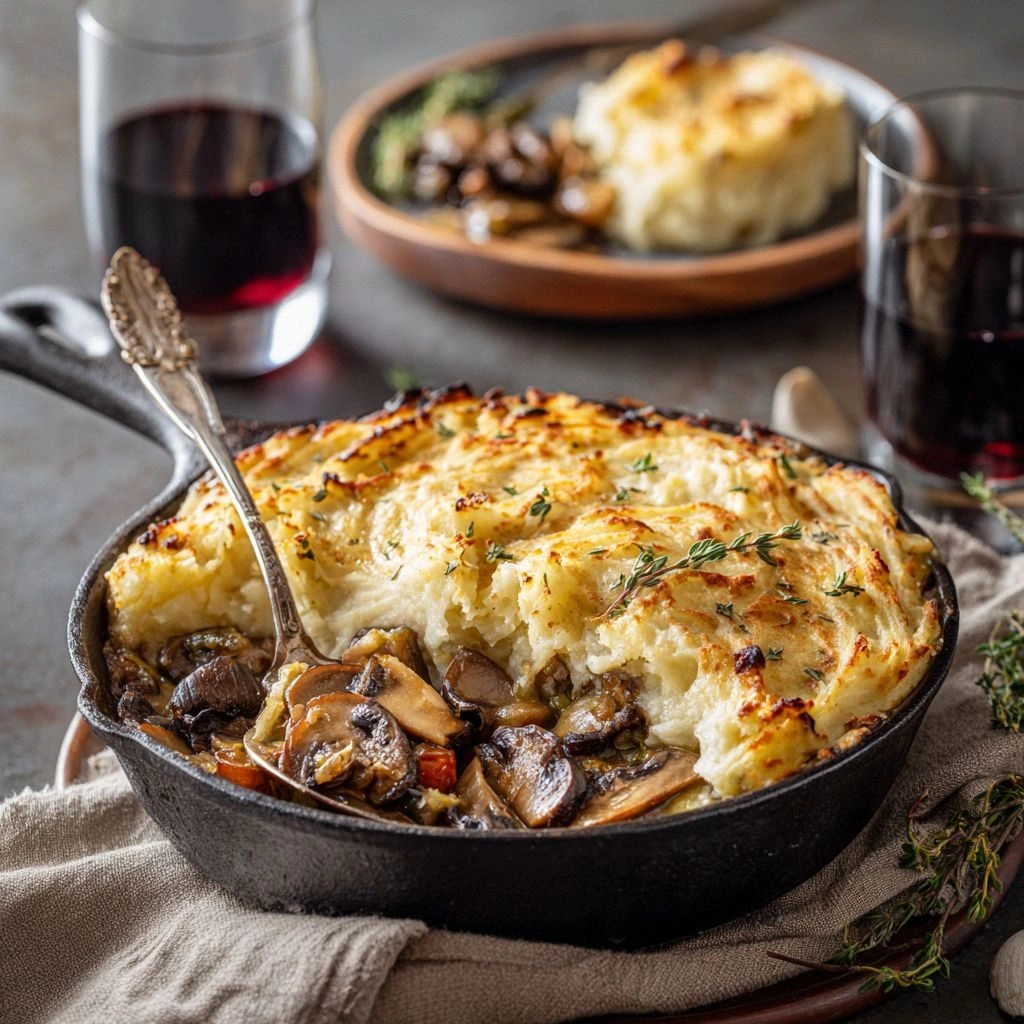
Fast forward a few weeks, countless trial runs, and a kitchen that smelled like a forest after rain, I finally nailed a version that makes the entire house feel like a five‑star restaurant. Imagine layers of thinly sliced potatoes that melt in your mouth, mushrooms that burst with earthy umami, and a Gorgonzola‑heavy cream sauce that coats everything like silk. The top crisps into a golden, crackly crust that shatters like thin ice when you cut into it, releasing a perfume of thyme and caramelized butter that makes your eyes water.
What sets this recipe apart is the balance of boldness and comfort. Most gratins drown in cheese or get drowned in cream, but this one uses Gorgonzola for a sharp, tangy kick while the heavy cream keeps it luxuriously smooth. The secret? A quick sauté of shallots and garlic that infuses the base with aromatic depth before the potatoes ever see the oven. I’ll be honest — I ate half the batch before anyone else got to try it, and I still have room for seconds.
I dare you to taste this and not go back for seconds. The flavor profile is so layered that each bite feels like a new discovery, and the texture swings from buttery softness to a satisfying crunch. Picture yourself pulling this out of the oven, the whole kitchen smelling incredible, and the steam swirling like a warm blanket around you. Let me walk you through every single step — by the end, you'll wonder how you ever made it any other way.
What Makes This Version Stand Out
- Flavor Explosion: The combination of Gorgonzola and heavy cream creates a sauce that’s both sharp and silky, delivering a taste that lingers long after the fork is set down.
- Texture Symphony: Thin potato slices become melt‑in‑your‑mouth clouds, while the mushroom layer adds a meaty bite, and the Parmesan topping gives a crisp, buttery finish.
- Simplicity Meets Sophistication: Despite the gourmet vibe, the ingredient list is short, and the technique is straightforward enough for a weeknight dinner.
- Ingredient Quality: Using fresh thyme and high‑quality Gorgonzola transforms a humble dish into a celebration of flavor.
- Crowd Reaction: This gratin has a reputation for turning skeptics into fans; even picky eaters can’t resist the creamy, cheesy allure.
- Make‑Ahead Magic: Assemble it the day before, refrigerate, and bake fresh when guests arrive — the flavors deepen overnight.
- Versatile Base: Swap potatoes for sweet potatoes or add a layer of spinach for a green twist without losing the core identity.
- Season‑Proof: Perfect for chilly evenings, holiday gatherings, or anytime you need comfort with a dash of elegance.
Inside the Ingredient List
The Flavor Base
Garlic: Two cloves, minced, create an aromatic foundation that cuts through the richness of the cream. If you skip it, the dish loses that warm, inviting depth that makes the palate sing. For a milder note, try roasted garlic; it adds a sweet caramel nuance.
Shallots: Two medium shallots, finely chopped, bring a subtle onion sweetness that balances the sharp Gorgonzola. Missing this step often leads to a flat flavor profile. If you’re out of shallots, a small amount of leeks works in a pinch.
The Texture Crew
Potatoes: Two pounds of starchy or all‑purpose potatoes, thinly sliced, are the heart of the gratin. Their starch releases slowly, thickening the sauce while staying tender. Using waxy potatoes results in a gummy texture, so choose the right kind for that melt‑in‑your‑mouth feel.
Mushrooms: Twelve ounces of cremini or button mushrooms add earthy depth and a meaty bite. If you overcook them, they release too much water and make the dish soggy. A quick high‑heat sauté locks in moisture and intensifies flavor.
The Unexpected Star
Gorgonzola Cheese: Four ounces of crumbly Gorgonzola inject a bold, tangy punch that defines the dish. Skipping it for milder cheeses like cheddar will dilute the signature flavor. If you prefer a less pungent profile, crumble only half and blend the rest with cream cheese.
Heavy Cream: One cup of heavy cream provides the silky, luxurious mouthfeel that ties every element together. Using milk instead will thin the sauce and lose that indulgent richness.
The Final Flourish
Fresh Thyme: One teaspoon of fresh thyme leaves brightens the dish with a subtle herbal note. Dried thyme can be used, but halve the amount to avoid overpowering the delicate balance.
Butter: Two tablespoons of butter, divided, are used for sautéing and greasing the baking dish, adding a buttery richness that carries through the layers. Opt for clarified butter if you want a cleaner, higher‑smoke‑point sauté.
Grated Parmesan (optional): Half a cup of Parmesan creates a golden crust that crackles under the fork. Omit it, and you’ll miss that final textural contrast.
Salt and Pepper: Season to taste; they amplify every flavor and bring the dish together. A pinch of nutmeg in the cream can add a hidden warmth without being noticeable.
Everything's prepped? Good. Let's get into the real action…

The Method — Step by Step
Preheat your oven to 375°F (190°C). While the oven warms, generously butter a 9‑x‑13‑inch baking dish; this not only prevents sticking but also adds a subtle buttery crust to the bottom. The moment the butter hits the hot pan, you’ll hear a soft sizzle that signals you’re on the right track. Power transition: Okay, ready for the game‑changer?
Thinly slice the potatoes using a mandoline, aiming for about 1/8‑inch thickness. Lay the slices in a single, overlapping layer on a clean kitchen towel and pat them dry. Dry potatoes absorb less cream, preventing a watery final product.
Kitchen Hack: After slicing, toss the potatoes with a pinch of salt and let them sit for five minutes; this draws out excess moisture, which you then blot away.In a large skillet, melt one tablespoon of butter over medium‑high heat. Add the finely chopped shallots and minced garlic, sautéing until they turn translucent and release a fragrant aroma – that sizzle when it hits the pan? Absolute perfection. Then, add the mushrooms, spreading them out to avoid crowding. Let them brown for about 5‑7 minutes, stirring occasionally, until they’ve released their juices and turned a deep golden brown.
Watch Out: If you add the mushrooms too early or at a low temperature, they’ll steam instead of brown, resulting in a soggy layer.While the mushrooms are browning, combine the heavy cream, crumbled Gorgonzola, fresh thyme, and a pinch of nutmeg in a saucepan. Warm over low heat, stirring gently until the cheese melts into a smooth, glossy sauce. The mixture should coat the back of a spoon without clumping – that’s your cue that the sauce is ready. Season with salt and pepper, tasting as you go; remember, the cheese already brings saltiness.
Begin assembling the gratin: lay a third of the potato slices in the bottom of the buttered dish, overlapping slightly. Sprinkle half of the sautéed mushroom mixture over the potatoes, then drizzle a third of the Gorgonzola‑cream sauce. Repeat the layers two more times, ending with a generous pour of the remaining sauce on top. The sauce should pool slightly around the edges, promising a bubbling crust.
Dot the final layer with the remaining tablespoon of butter, cut into small pieces. This will melt during baking, creating those coveted golden flecks. If you’re using Parmesan, sprinkle the optional half‑cup evenly now. The cheese will melt, brown, and form a crispy crown that shatters delightfully when you cut into it.
Cover the dish tightly with aluminum foil and place it in the preheated oven. Bake for 25 minutes, then remove the foil to allow the top to brown. Continue baking for another 15‑20 minutes, or until the potatoes are fork‑tender and the edges are bubbling and pulling away from the sides of the dish. The aroma at this stage is intoxicating – you’ll hear a faint crackle as the crust forms.
Remove the gratin from the oven and let it rest for 10 minutes. This rest period lets the sauce thicken and the layers settle, making for cleaner slices. Power transition: And now the fun part – serving. Use a hot, wet knife for the cleanest cuts; the steam will keep the layers intact.
Insider Tricks for Flawless Results
The Temperature Rule Nobody Follows
Most home cooks bake at 350°F, assuming it’s safe for everything. In reality, a slightly higher temperature (375°F) creates a faster steam environment, which cooks the potatoes evenly without drying them out. I once baked at 325°F and ended up with a gummy center that needed extra time – a waste of patience and patience. Trust the heat; it’s the secret to that perfect, tender bite.
Why Your Nose Knows Best
Your sense of smell is a far better indicator than a timer when it comes to gratins. When the edges start to pull away and you catch the nutty, caramelized scent of butter and cheese, you know the crust is forming. If you wait for a timer alone, you might miss the optimal moment for a golden finish. I’ve learned to trust that nose‑signal, and it never let me down.
The 5‑Minute Rest That Changes Everything
After the oven door shuts, let the gratin sit for five to ten minutes. This rest allows the sauce to thicken and the layers to set, preventing a watery mess when you plate. Skipping this step is a common mistake; you’ll end up with a soupy plate that looks sad. A brief pause transforms a good dish into a restaurant‑quality masterpiece.
Mushroom Moisture Mastery
Never crowd your pan when sautéing mushrooms. Overcrowding traps steam, turning them into a soggy puddle. Instead, work in batches, letting each batch develop a deep brown crust. A friend once tried to dump all the mushrooms at once and ended up with a mushy, flavorless layer – let’s just say the dinner was a flop.
Butter‑Infused Crust
Cut cold butter into tiny cubes before dotting the top. The cold pieces melt gradually, creating pockets of caramelized butter that burst into flavor as they brown. This technique yields a crust that’s both buttery and crisp, unlike the uniform, dull topping you get from melting butter beforehand.
Creative Twists and Variations
This recipe is a playground. Here are some of my favorite ways to switch things up:
Blue Cheese & Walnut Crunch
Replace Gorgonzola with a sharp blue cheese and stir in a handful of toasted walnuts before baking. The nuts add a surprising crunch that contrasts the creamy sauce, perfect for autumn gatherings.
Truffle‑Infused Elegance
Add a drizzle of truffle oil to the cream mixture and swap the mushrooms for a mix of shiitake and oyster mushrooms. The earthy truffle aroma elevates the dish to a luxurious side for special occasions.
Spicy Kick
Incorporate a teaspoon of crushed red pepper flakes into the sautéed mushroom mix. The heat pairs beautifully with the cooling cream, creating a balanced, tongue‑tingling experience.
Herb Garden Medley
Mix fresh rosemary, sage, and tarragon with the thyme for a herbaceous twist. This variation brightens the dish and pairs wonderfully with roasted lamb or grilled chicken.
Vegan Version
Swap heavy cream for coconut cream, use a plant‑based blue cheese alternative, and replace butter with olive oil. The result is a dairy‑free gratin that still boasts richness and depth.
Storing and Bringing It Back to Life
Fridge Storage
Let the gratin cool completely, then cover tightly with foil or plastic wrap. Store in the refrigerator for up to three days. When ready to reheat, preheat the oven to 350°F, add a splash of milk or cream to the edges, and bake for 20‑25 minutes until bubbling.
Freezer Friendly
Assemble the gratin, cover tightly with foil, and freeze for up to two months. Thaw overnight in the fridge, then bake as directed, adding an extra 10 minutes to the uncovered baking time to achieve a golden top.
Best Reheating Method
For the crispiest revival, reheat uncovered on a baking sheet at 375°F. Add a tiny splash of water or broth around the edges; the steam will coax the sauce back to its original silkiness while the top regains its crunch.