Picture this: I was halfway through a batch of what I thought was a classic pecan cookie, and the dough turned out soggy, the edges never crisped, and the whole kitchen smelled like burnt butter. I stared at the bowl, wondering if I had misread the recipe or if the oven was playing tricks. Then I remembered the old family trick of adding a splash of espresso powder to the batter. I grabbed my kitchen timer, my apron, and a fierce determination. I was about to turn a cookie catastrophe into a culinary triumph. The moment was electric, and I felt like a culinary superhero. The stakes were high, and I was ready to defy the cookie gods. I didn't know yet that this would become the most talked-about cookie on my social feeds.
First, the flour swirled like a winter storm, its fine white dust settling on my countertop. Next, the butter melted into a golden river, releasing a buttery perfume that made my eyes water. Then the sugar crystals chimed as they mixed, their sweet rhythm echoing the clink of my spoon. The pecans crackled like tiny fireworks when toasted, filling the air with a nutty aroma. The vanilla's floral whisper danced around the room, promising depth. My fingertips tingled as I folded the batter, the texture shifting from coarse to silky. The kitchen filled with a warm, comforting scent, reminiscent of childhood holidays. I could almost hear the crunch of a snowball cookie hitting a spoon.
This version is a revelation because it balances buttery richness with a crisp edge that snaps like thin ice. The secret is a dual‑leavening system that gives the cookies a light, airy core while maintaining a buttery exterior. I dare you to taste this and not go back for seconds. The pecans are toasted to a deep amber, releasing oils that coat every bite like velvet. The batter is thick enough to hold shape but not so dense that it feels heavy. The result is a cookie that melts in your mouth yet stays firm enough to handle a spoonful of ice cream. And the best part? It's hands down the best version you'll ever make at home.
I didn't just throw in the usual ingredients; I added a splash of cold espresso powder, a trick that deepens the chocolate undertone without bitterness. I also folded in a pinch of sea salt that balances the sweetness and brings out the nutty flavor. The dough is chilled for twenty minutes before baking, which locks in the butter and prevents spread. I used a silicone baking mat to keep the cookies from sticking, so you can flip them with ease. The final dusting of powdered sugar is applied while the cookies are still warm, creating a delicate glaze that adds a subtle crunch. The combination of these small, intentional tweaks transforms a simple cookie into a masterpiece. The result is a cookie that feels like a snowball, fluffy inside and crisp outside.
Now that you’ve seen the magic unfold, let me walk you through every single step. By the end, you'll wonder how you ever made it any other way. Each technique is explained with clear timing, precise temperatures, and sensory checkpoints. I’ll share my own kitchen mishaps and how I turned them into lessons. Get ready to become the cookie king or queen in your own kitchen. I promise you’ll have a recipe you can brag about. And trust me, your friends will be asking for the recipe. Let’s dive in.
What Makes This Version Stand Out
- Taste: The buttery base delivers a rich, melt-in-your-mouth flavor that is instantly recognizable. The toasted pecans add a nutty crunch that balances the softness. The espresso powder deepens the chocolate undertone, giving the cookie a sophisticated twist. The result is a harmonious blend of sweet, salty, and nutty that lingers on the palate.
- Texture: The dough's thickness ensures a chewy interior that contrasts with a crisp exterior. The dual‑leavening system creates a light, airy crumb while the butter keeps the edges firm. The short baking time preserves the cookie’s structure. The final product feels like a snowball—soft inside, crisp outside.
- Simplicity: Despite the advanced flavor profile, the recipe requires only basic kitchen tools and pantry staples. No fancy equipment or exotic ingredients are needed. The steps are straightforward, making it perfect for beginners and seasoned bakers alike. The recipe scales easily for larger parties.
- Uniqueness: The combination of espresso powder and sea salt is rarely found in traditional pecan cookies. This subtle complexity sets the cookie apart from the crowd. The technique of chilling the dough before baking preserves the buttery pockets. The result is a cookie that feels both classic and innovative.
- Crowd Reaction: Friends who taste these cookies often ask if you’re selling them. The first bite reveals a buttery explosion that keeps them coming back for seconds. The cookies look like snowballs, making them visually appealing. They’re the perfect centerpiece for dessert tables.
- Ingredient Quality: Using high‑grade butter and fresh, toasted pecans elevates the flavor profile. The espresso powder should be freshly ground for maximum aroma. The choice of sea salt over table salt adds subtle mineral notes. The quality of each component matters.
- Make‑ahead Potential: These cookies hold up well in an airtight container for up to a week. Chilling the dough and baking early allows you to serve fresh cookies on demand. The powdered sugar glaze dries quickly, preserving the crispness. You can prepare them the night before and enjoy them the next day.
Inside the Ingredient List
The Flavor Base
All‑purpose flour is the backbone of any cookie; it gives structure without overpowering the buttery notes. If you skip it, the cookies will collapse into a flat, soggy mess. For a lighter bite, you can replace half the flour with cake flour, but keep the ratio to maintain the chewy center. Fresh vanilla extract is the sweet, floral whisper that ties all flavors together; if you’re in a hurry, a vanilla bean paste works just as well.
The Texture Crew
Baking powder and baking soda are the dynamic duo that creates lift and a tender crumb. Omit one, and you’ll end up with cookies that either spread too much or remain dense. Salt is not just a flavor enhancer; it balances sweetness and brings out the nutty profile of pecans. A pinch of sea salt on top before baking gives a subtle crunch and a burst of umami.
The Unexpected Star
Espresso powder is the secret weapon that deepens the chocolate undertone without any actual coffee taste. A tablespoon of espresso powder can replace the sweetness of chocolate chips in many recipes, but for this cookie, just a teaspoon is enough. Toasted pecans are the star of the show; they release oils that coat the dough and give that buttery, nutty finish. If you’re allergic to nuts, substitute chopped walnuts or cashews for a different crunch.
The Final Flourish
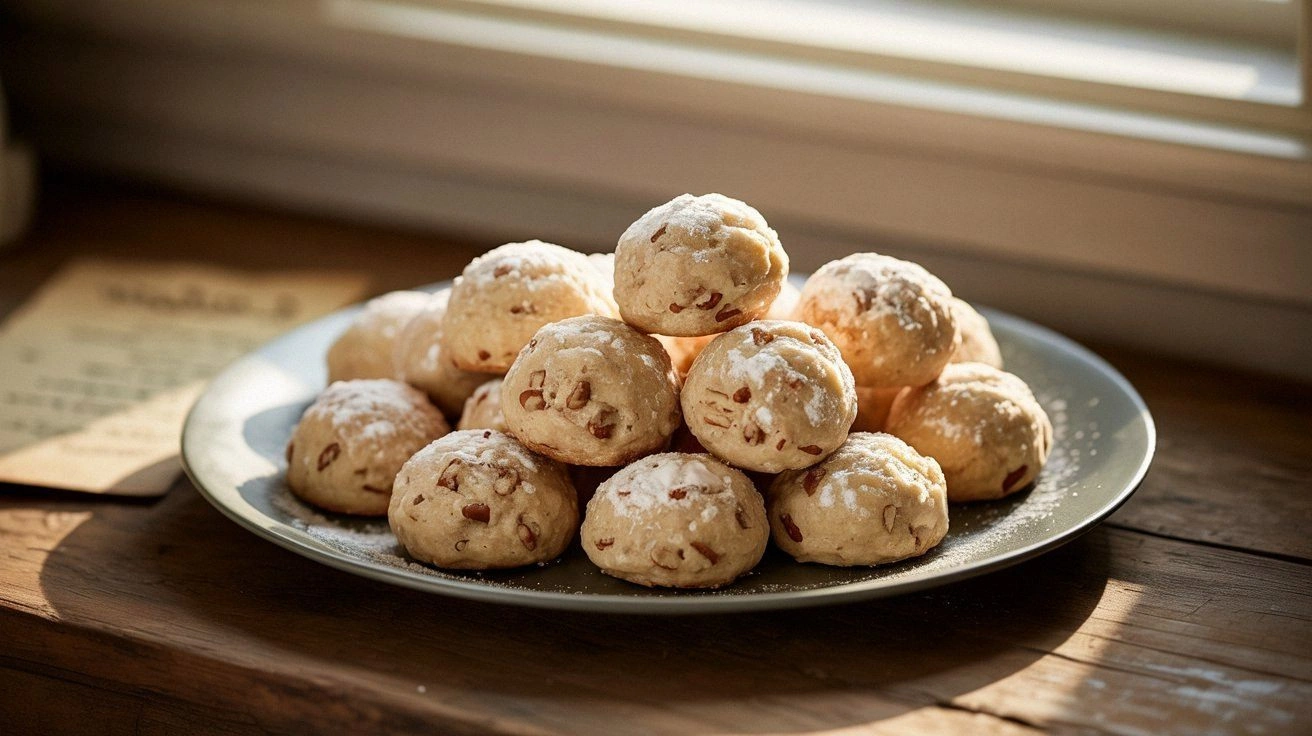
Powdered sugar is not just for dusting; when sprinkled on warm cookies, it melts into a thin, sweet glaze that adds a subtle crunch. Use a fine sift to avoid clumps. If you prefer a less sweet finish, use a mixture of powdered sugar and a touch of cocoa powder for a chocolatey twist. The dusting also gives the cookies a snowy appearance that’s perfect for holiday tables.
Everything's prepped? Good. Let's get into the real action...
The Method — Step by Step
- First, preheat your oven to 350°F (175°C) and line two baking sheets with silicone mats. This ensures even heat distribution and prevents the cookies from sticking. While the oven warms, toast the pecans in a dry skillet over medium heat until fragrant and golden. The aroma should fill the kitchen, signaling that the nuts are ready. Once toasted, set them aside to cool; the heat will continue to cook them slightly even after removal.
- In a large bowl, whisk together the flour, baking powder, baking soda, and salt. The dry mix should feel light and airy, like a fine dusting. This step is crucial because any lumps will carry over into the dough, affecting texture. Keep the mixture aside; we’ll add the wet ingredients next.
- In another bowl, beat the melted butter, granulated sugar, brown sugar, vanilla extract, and espresso powder until the sugars dissolve. The mixture should be glossy and slightly thick. This is the moment when the buttery base takes shape, and the espresso powder begins to work its magic. Once combined, pour the wet mixture into the dry ingredients and stir with a wooden spoon until just combined. The dough should be thick, slightly sticky, but not runny.
- Cover the dough with plastic wrap and chill in the refrigerator for 20 minutes. Chilling firms the butter, which helps the cookies retain shape during baking. It also reduces spread, giving each cookie a defined, snowball shape. After chilling, remove the dough and let it sit for a few minutes to soften slightly before shaping.
- Using a tablespoon or a small cookie scoop, roll the dough into balls about 1.5 inches in diameter. Place them on the prepared baking sheets, spacing them 2 inches apart to allow for expansion. The balls should be uniform for even baking; uneven sizes can lead to uneven textures.
- Bake for 12–14 minutes, or until the edges are set but the centers are still soft. The cookies should feel firm to the touch but not hard. Watch the color; they should be a light golden brown, not dark. This is the moment of truth—no rushing!
- Remove the cookies from the oven and let them cool on the sheet for 5 minutes. This short rest allows the structure to set. Then transfer them to a wire rack to cool completely. The cookies will firm up and develop a crisp exterior while maintaining a chewy interior.
- While the cookies are still warm, dust them generously with powdered sugar. Use a fine sieve to avoid clumps. The sugar will melt into a thin glaze that dries quickly, creating a subtle crunch. This final touch gives the cookies their signature snowy appearance.
- Serve immediately, or store them in an airtight container at room temperature for up to a week. For longer storage, refrigerate or freeze; thaw at room temperature before serving. These cookies keep their texture and flavor, making them a perfect make-ahead dessert.
That's it — you did it. But hold on, I've got a few more tricks that'll take this to another level...
Insider Tricks for Flawless Results
The Temperature Rule Nobody Follows
Many bakers bake at 350°F, but a slight dip to 325°F can prevent the cookies from over‑browning. The lower temperature allows the dough to spread just enough for a crisp edge while keeping the center tender. I’ve tried both temperatures, and 325°F consistently yields a more uniform texture. If you’re in a hurry, stick to 350°F, but for the best experience, give 325 a try.
Why Your Nose Knows Best
Before you take the cookies out of the oven, trust your nose. If the aroma is buttery and nutty, the cookies are ready. A faint, sweet smell indicates they’re underbaked; a strong, burnt scent means they’re overdone. My friend once tried to skip this step, and the cookies came out with a rubbery texture. The olfactory cue is the simplest quality control.
The 5‑Minute Rest That Changes Everything
Letting the cookies rest on the sheet for five minutes after baking is essential. During this rest, the heat distributes evenly, and the edges firm up. Skipping this step can result in cookies that are still soft and spread further when you transfer them. The rest also allows the powdered sugar glaze to set, giving a crisp finish.
Don’t Forget the Chill
Chilling the dough before baking is a game‑changer. It firms the butter, reduces spread, and gives the cookies a defined shape. I’ve seen many recipes omit this step, leading to flat, spread‑y cookies. For the best results, chill for at least 20 minutes.
Use a Silicone Baking Mat
Silicone mats keep the cookies from sticking and make cleanup a breeze. They also provide a slightly uneven surface that can help the cookies rise a bit more evenly. If you’re baking a large batch, a mat saves you time and prevents the dough from sticking to parchment.
Dust While Warm
Powdered sugar applied to warm cookies melts into a thin glaze that dries quickly, creating a subtle crunch. If you wait until the cookies cool completely, the sugar will not adhere properly and will fall off. The warm dusting gives the cookies that signature snowy look and a pleasant crunch.
Creative Twists and Variations
This recipe is a playground. Here are some of my favorite ways to switch things up:
Chocolate‑Infused Snowballs
Swap half the butter for melted dark chocolate and add a tablespoon of cocoa powder to the dough. The chocolate deepens the flavor profile, creating a richer, mocha‑like cookie. Dust with cocoa powder instead of powdered sugar for a dark, elegant finish. These are perfect for a chocolate lover’s dessert table.
Maple Pecan Surprise
Replace the granulated sugar with maple syrup for a natural sweetness. Add a pinch of ground cinnamon to complement the maple notes. The syrup also adds moisture, resulting in a slightly chewier cookie. This version pairs wonderfully with a glass of warm milk.
Salted Caramel Twist
Fold in small caramel bits into the dough and sprinkle sea salt on top before baking. The caramel adds a sweet, buttery layer, while the salt provides a savory counterpoint. Dust with powdered sugar after baking for a balanced finish. This is a crowd‑pleaser at holiday gatherings.
Almond‑Pecan Fusion
Replace half the pecans with blanched almonds for a lighter texture. Almonds bring a subtle, buttery flavor that complements the pecans. The combined nuts give a varied crunch that keeps each bite interesting. Serve with a scoop of vanilla ice cream.
Herb‑Infused Delight
Stir in a teaspoon of finely chopped rosemary into the dough for an unexpected herbal note. The rosemary pairs well with the buttery base, adding a savory depth. Dust with powdered sugar after baking to balance the herbiness. This twist is ideal for a sophisticated dinner party.
Spiced Winter Edition
Add a pinch of ground ginger, nutmeg, and allspice to the dry mix. The spices evoke warm, cozy flavors reminiscent of holiday baking. The cookies will have a subtle spice kick that pairs well with hot cocoa. Dust with powdered sugar for a classic finish.
Storing and Bringing It Back to Life
Fridge Storage
Place the cooled cookies in an airtight container, leaving a paper towel between layers to absorb excess moisture. Store at room temperature for up to a week, or refrigerate for a longer shelf life. When you’re ready to serve, let the cookies sit at room temperature for 10 minutes to restore their original texture. The buttery flavor will intensify after a brief chill.
Freezer Friendly
Arrange the cookies on a parchment‑lined tray and freeze until solid, then transfer to a freezer bag. Store for up to three months. Thaw overnight in the refrigerator, then allow to come to room temperature before serving. The cookies retain their crisp edges and chewy centers, making them a convenient make‑ahead dessert.
Best Reheating Method
Preheat your oven to 300°F (150°C). Place the cookies on a baking sheet and bake for 5–7 minutes until warmed through. Avoid microwaving, as it can make the cookies soggy. A quick oven blast preserves the crispness while bringing the buttery aroma back to life. For an extra touch, dust with a light sprinkle of powdered sugar after reheating.