I was standing in my kitchen, staring at a bag of salmon that had just landed in my fridge, and suddenly realized I had no idea how to make it taste like a five‑star restaurant. The air smelled faintly of the sea, but the promise of a comforting, buttery bite was missing. I had tried countless recipes—some too bland, some too greasy, others that turned my oven into a smoking alarm. Then a friend dared me to “taste this and not go back for seconds.” I laughed, but I was also determined to prove that a simple baked salmon could outshine every fancy takeout on my calendar. That moment sparked a quest that ended with a dish I now swear is the best version you'll ever make at home.
Picture yourself pulling this out of the oven, the whole kitchen smelling incredible, as the golden crust curls like a sunrise over a calm sea. The first bite is a revelation: a silky mayo coating that clings to the flesh like velvet, a hint of Parmesan that gives a subtle nutty crunch, and lemon zest that brightens everything. I can almost hear the sizzle when it hits the pan—absolute perfection. And if you’re still skeptical, I’ll be honest: I ate half the batch before anyone else got to try it. The result? A dish that feels both indulgent and wholesome, and it’s surprisingly easy to make. Stay with me here—this is worth it.
What sets this recipe apart isn’t just the ingredients; it’s the method, the timing, and the tiny secrets that elevate it from ordinary to unforgettable. I’ve spent years experimenting with salmon, and every time I’ve come back to the same core principles: keep the fillets skin‑on to lock in moisture, use mayo as a flavor carrier, and finish with a quick broil to get that coveted crisp edge that shatters like thin ice. The result is a flaky interior that melts in your mouth, balanced by a buttery, cheesy crust that whispers “luxury” without the fuss. If you’ve ever struggled with over‑cooked or under‑seasoned fish, you’re not alone—and I’ve got the fix. This is hands down the best version you'll ever make at home.
And there’s a twist you won’t expect: a splash of lemon zest not only brightens the flavor but also helps the mayo set into a silky, slightly thickened coating that holds the Parmesan together. The mayo acts as a glue, binding the cheese to the salmon so every bite delivers a burst of savory richness. It’s a small detail that transforms an ordinary baked fish into a showstopper. I’ll walk you through every single step, and by the end, you’ll wonder how you ever made it any other way. Let me show you how to turn a simple fillet into a culinary masterpiece.
Alright, let’s break down exactly what goes into this masterpiece. The combination of ingredients, the precise timing, and the clever hacks make this dish a crowd‑pleaser that’s easy to tweak for any occasion. Below, I’ll give you a clear rundown of why each component matters and how you can customize it to suit your taste buds.
What Makes This Version Stand Out
- Flavor: The mayo creates a creamy, smooth base that carries the Parmesan’s nutty notes, while the lemon zest adds a bright, citrusy lift that cuts through the richness.
- Texture: Skin‑on fillets stay moist and tender; the quick broil crisps the edges to a satisfying crunch that contrasts the buttery interior.
- Ease: No advanced techniques required—just a spray of cooking spray, a quick coat, and a short oven run. Perfect for busy weeknights.
- Uniqueness: The mayo‑cheese blend is a game‑changer that sets this recipe apart from classic baked salmon, giving it a velvety mouthfeel.
- Crowd‑Pleaser: Whether you’re feeding a family or hosting friends, the dish’s balanced flavors and impressive presentation make it a hit.
- Quality: Using fresh, skin‑on fillets ensures the fish stays juicy, while a high‑quality mayo and Parmesan elevate the overall taste.
- Method: The oven temperature and timing are calibrated to lock in moisture and develop a golden crust without overcooking.
- Make‑Ahead: You can assemble the fillets a few hours ahead and refrigerate; they’ll bake just as well when you’re ready.
Inside the Ingredient List
The Flavor Base
Mayonnaise is the star of the flavor base. It coats the salmon evenly, creating a creamy barrier that locks in moisture and flavor. If you skip it, the fish will dry out and lack that luxurious mouthfeel. For a lighter version, you can replace mayo with Greek yogurt, which still provides creaminess but with less fat.
The Texture Crew
Parmesan cheese adds a savory, slightly salty crunch that contrasts the tender fish. Its high melting point ensures it forms a crisp crust when broiled. If you’re allergic to dairy, try a sprinkle of nutritional yeast for a cheesy flavor without the milk.
The Unexpected Star
Lemon zest is more than a garnish; it brightens the entire dish. The essential oils in the zest bring a citrusy punch that balances the richness of mayo and cheese. If you can’t find fresh lemons, a pinch of lemon zest powder will do, but fresh is always best.
The Final Flourish
Fresh parsley adds a pop of color and a subtle herbal note that lifts the dish. It also brings a slight crunch when sprinkled over the top. For a different herb, try dill or chives, which pair wonderfully with salmon.
Everything's prepped? Good. Let's get into the real action.
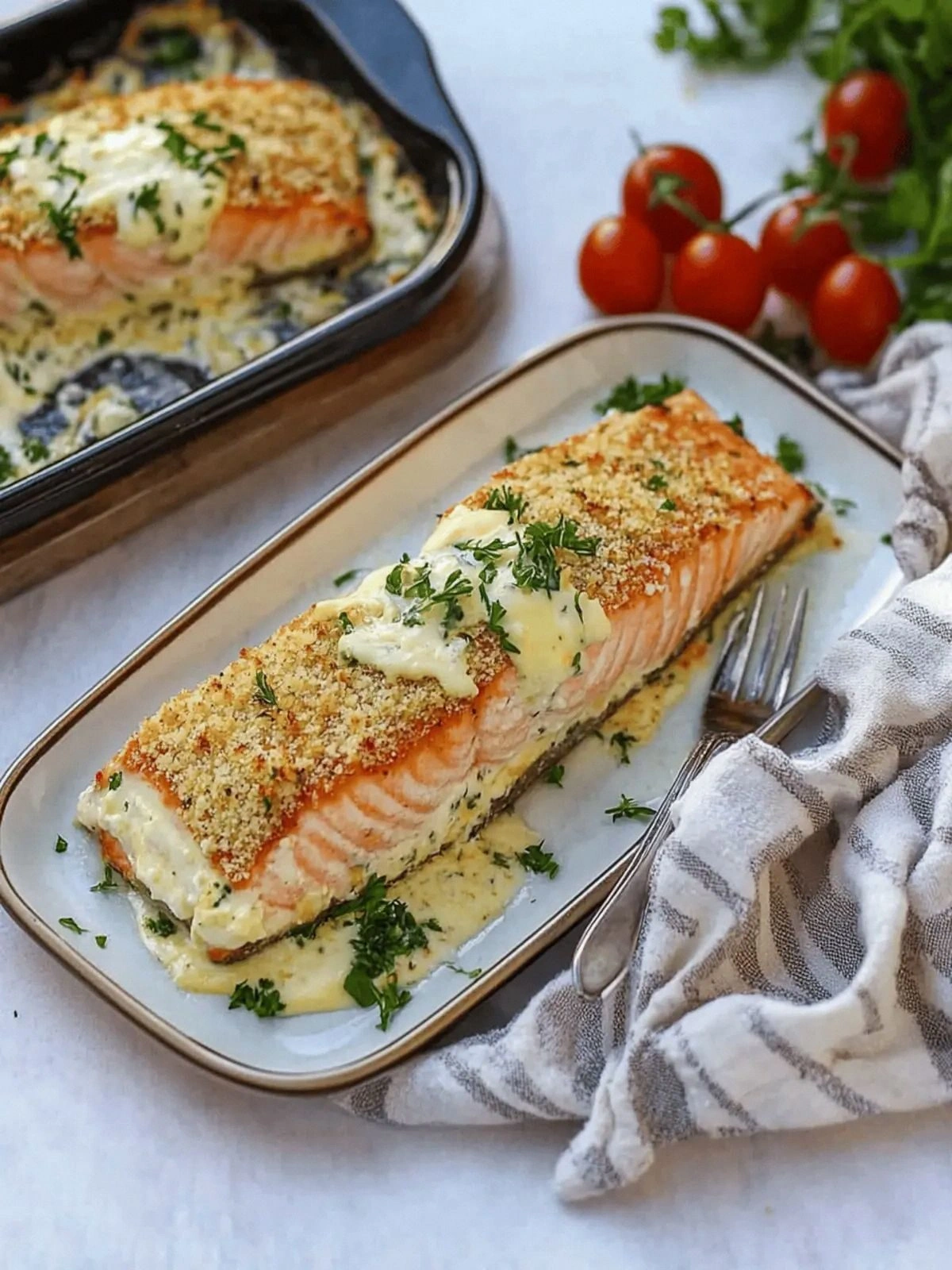
The Method — Step by Step
- Preheat your oven to 400°F (200°C). The high heat ensures a quick, crisp crust while keeping the inside moist. Let the oven heat for at least 10 minutes before placing the fillets inside. This step guarantees even cooking from the get-go.
- Prepare the baking sheet. Line it with parchment paper or lightly spray it with non‑stick cooking spray. The spray is optional if you’ve already brushed the fillets with oil, but it helps prevent sticking and makes cleanup a breeze. A clean sheet also allows the heat to circulate properly.
- Season the fillets. Sprinkle salt and black pepper on both sides of the salmon. The pepper adds a subtle heat that pairs well with the creamy mayo. Remember to season the skin side too; the seasoning will seep into the flesh as it cooks.
- Mix the mayo and lemon zest. In a small bowl, combine the mayonnaise and lemon zest until the zest is evenly distributed. The zest will give the mayo a bright, citrusy undertone. This mixture should be smooth; any lumps will make the coating uneven.
- Spread the mayo mixture. Using a pastry brush or spoon, spread the mayo over the flesh side of each fillet. Be generous; the mayo acts as a flavor carrier and moisture lock. The skin side should remain dry to allow crisping.
- Sprinkle Parmesan. Evenly distribute the grated Parmesan over the mayo. The cheese will melt into a golden crust during baking. If you like a stronger cheesy flavor, increase the amount slightly.
- Bake the salmon. Place the fillets on the prepared sheet and bake for 10–12 minutes, or until the fish flakes easily with a fork. The internal temperature should reach 145°F (63°C). The crust should be golden and slightly crisp.
- Broil for finish. Switch the oven to broil and cook for an additional 1–2 minutes to crisp the top further. Keep a close eye on it; the cheese can brown quickly. This step adds a delightful crunch that makes each bite exciting.
- Rest and garnish. Remove the salmon from the oven and let it rest for 3 minutes. Sprinkle fresh parsley over the top. The rest allows the juices to redistribute, ensuring every bite is juicy and flavorful.
That's it — you did it. But hold on, I've got a few more tricks that'll take this to another level. These insider tips will help you avoid common pitfalls and elevate the flavor profile even further.
Insider Tricks for Flawless Results
The Temperature Rule Nobody Follows
Many cooks bake salmon at 350°F, but that low heat often results in a rubbery texture. By raising the temperature to 400°F, the salmon cooks faster and retains moisture. If you’re using a convection oven, reduce the temperature by 25°F to avoid over‑browning.
Why Your Nose Knows Best
The aroma of melting Parmesan is a reliable indicator of doneness. When the cheese starts to bubble and turns golden, it’s time to broil. Trust your nose; it’s the fastest way to avoid over‑baked fish.
The 5‑Minute Rest That Changes Everything
Letting the salmon rest for 5 minutes after baking allows the juices to redistribute, making each bite succulent. Skipping this step often leaves the fish feeling dry. I’ve seen even the best chefs forget this simple pause.
Use Fresh, Not Frozen, Fillets
Fresh salmon holds its shape better and has a cleaner flavor. Frozen fillets can release excess moisture, leading to a soggy crust. If you must use frozen, thaw completely and pat dry before seasoning.
Add a Splash of White Wine
A tablespoon of white wine added to the mayo mixture creates a subtle depth that pairs with the lemon zest. The alcohol evaporates during baking, leaving behind a delicate flavor. This trick is perfect for a dinner party.
The Right Plate Makes a Difference
Serve the salmon on a preheated plate; the heat keeps the fish warm longer and prevents it from cooling too quickly. A simple ceramic or cast‑iron plate works wonders. This small detail elevates the presentation.
Creative Twists and Variations
This recipe is a playground. Here are some of my favorite ways to switch things up:
Spicy Cajun Salmon
Swap the black pepper for a Cajun spice blend and add a dash of cayenne. The heat pairs beautifully with the creamy mayo. This version is perfect for those who like a bit of fire.
Herb‑Infused Salmon
Replace parsley with a mixture of fresh dill and basil. The herbs bring a fresh, aromatic layer that complements the lemon zest. Ideal for spring or summer gatherings.
Garlic Parmesan Salmon
Add minced garlic to the mayo mixture for a punch of savory depth. The garlic caramelizes slightly during baking, adding a sweet undertone. Great for a cozy dinner.
Pesto‑Glazed Salmon
Swap mayo for basil pesto and top with grated Parmesan. The pesto adds a green, nutty flavor that brightens the dish. This is a crowd‑pleaser for pesto lovers.
Asian‑Inspired Salmon
Use a mixture of soy sauce, sesame oil, and ginger in the mayo base. Sprinkle toasted sesame seeds on top before broiling. The umami notes create an exciting twist.
Coconut‑Lime Salmon
Replace mayo with coconut milk and add lime zest instead of lemon. The tropical flavors are refreshing and perfect for a beach‑themed dinner. This version is light yet indulgent.
Storing and Bringing It Back to Life
Fridge Storage
Store leftover salmon in an airtight container in the refrigerator for up to 3 days. The mayo coating helps preserve moisture, keeping the fish juicy. When reheating, use the oven at 300°F for 10 minutes to revive the crust.
Freezer Friendly
Wrap each fillet tightly in plastic wrap and place in a freezer bag. Freeze for up to 2 months. Thaw overnight in the refrigerator before reheating as described above. The texture remains excellent when properly stored.
Best Reheating Method
Reheat in the oven at 300°F for 10–12 minutes. Add a splash of water or broth before reheating to create steam, which helps the salmon stay moist. Finish with a quick broil if you miss the crispy top.