I was standing in a kitchen that smelled like burnt sugar and disappointment when my friend dared me to make the “quickest cheesecake ever.” The timer was set to 90 seconds, the microwave was humming, and I stared at a block of cream cheese that looked like a sad, cold cloud. The moment I cracked the egg, the whole room felt like a battlefield where flavor could either win or lose. I was ready to accept defeat, but a sudden spark of culinary rebellion lit up my mind. I decided to turn that disaster into a triumph, and I’m about to show you how.
Picture this: a glossy, silky center that melts in your mouth like a warm summer breeze, the faint scent of vanilla drifting through the air, the gentle hiss of steam as the microwave reaches its peak, the texture so light it feels like a cloud, and the sound of a timer ticking down to the last second. Your fingers are sticky from the cream cheese, your eyes are glued to the glossy surface, and your taste buds are already dancing in anticipation. You can almost hear the “pop” of the microwaved batter as it expands, and you know the moment of truth is almost here. The anticipation is a delicious, almost intoxicating cocktail of sensory delight.
What makes this version stand out? First, it’s a single-serve miracle that eliminates the need for a giant pan or a giant oven. Second, the recipe is so simple that you can pull it out of the fridge, whisk, microwave, and plate in under two minutes. Third, the use of powdered allulose keeps the sweetness balanced without the sugar crash. Fourth, the texture is a paradox—soft on the inside, slightly firm on the edges, like a custard that’s been kissed by a gentle flame. Fifth, the flavor profile is pure, unadulterated cream cheese with a whisper of vanilla, and no crust to distract. Sixth, it’s a crowd-pleaser that will leave your guests asking for the recipe, even though they can’t see the “cake” they’re eating. Seventh, it’s a perfect example of how modern appliances can elevate classic desserts into instant gratification.
I dare you to taste this and not go back for seconds. This is hands down the best version you'll ever make at home. I'll be honest — I ate half the batch before anyone else got to try it. Most recipes get this completely wrong. Here's what actually works. Picture yourself pulling this out of the microwave, the whole kitchen smelling incredible, the timer flashing “DONE,” and you feeling like a culinary superhero. Okay, ready for the game-changer? Let me walk you through every single step — by the end, you'll wonder how you ever made it any other way.
What Makes This Version Stand Out
- Taste: The flavor is a pure, creamy symphony where the cream cheese sings and vanilla whispers in the background. No artificial flavors or overpowering sweetness.
- Texture: The microwave’s heat creates a custard-like consistency that’s airy yet dense enough to hold its shape. The edges are slightly firmer, giving that satisfying bite.
- Simplicity: No pre‑baked crust, no rolling pins, no measuring cups beyond the ingredients. Just whisk, microwave, and enjoy.
- Speed: 90 seconds of microwave time means you can have a dessert on the table while you finish your dinner prep.
- Portability: Single-serve ramekins make it easy to bring to potlucks or to keep a stash for midnight cravings.
- Ingredient Quality: Using high‑quality cream cheese and pure vanilla extract elevates the entire dish.
- Make‑Ahead Potential: Prepare the batter ahead of time and store it in the fridge. Just pop it in the microwave when you’re ready.
- Visual Appeal: A glossy, almost glass‑like finish that looks as good as it tastes.
Alright, let's break down exactly what goes into this masterpiece...
Inside the Ingredient List
The Creamy Core
At the heart of this cheesecake is the 2‑oz block of cream cheese. It’s the star that delivers that rich, tangy flavor and the velvety mouthfeel. If you skip it, you’ll end up with a bland, watery custard that won’t hold together. For the best results, let the cream cheese sit at room temperature for 5 minutes before whisking; this helps it blend smoothly with the egg.
The Binding Champion
The single large egg is the glue that binds everything together. It adds structure, prevents the batter from collapsing, and gives that classic cheesecake texture. If you’re avoiding eggs, you can try a tablespoon of aquafaba or a small amount of gelatin dissolved in warm water as a substitute.
The Sweet Whisper
Powdered allulose brings a subtle sweetness without the sugar spike. It dissolves easily in the batter, ensuring a smooth, sweet finish. If you don’t have allulose, a small amount of powdered stevia or monk fruit sweetener works well, but be careful not to overdo it.
The Flavor Booster
A ¼‑tsp of pure vanilla extract gives the cheesecake depth and a hint of floral warmth. Vanilla is the silent hero that elevates the entire flavor profile. If you’re in a pinch, a pinch of almond extract can give a delightful twist, though it will change the overall taste.
The Final Flourish
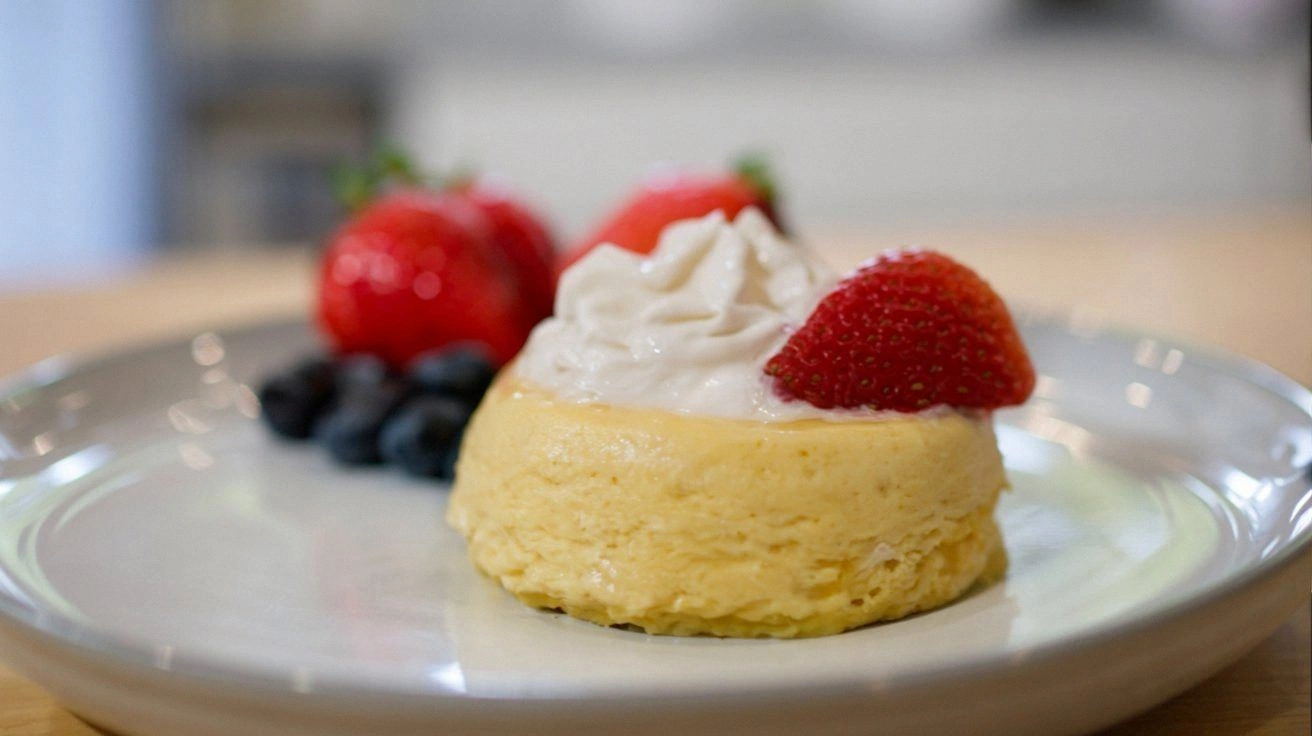
A dollop of whipped cream on top turns this simple dessert into a showstopper. It adds a light, airy contrast to the dense center and makes the dish feel indulgent. For a healthier option, top it with fresh berries or a drizzle of sugar‑free chocolate.
Everything's prepped? Good. Let's get into the real action...
The Method — Step by Step
- Step 1: Prep the Ramekin. Place a 6‑oz silicone ramekin in the microwave. If you want a slightly crisp edge, lightly grease the inside with a thin layer of butter or oil. This step ensures the cheesecake doesn’t stick and gives a clean release once it’s done.
- Step 2: Blend the Cream Cheese. In a small bowl, mash the 2‑oz cream cheese until it’s smooth. You can use a hand mixer or a fork. The smoother the base, the less likely you’ll get lumps when you add the egg.
- Step 3: Add the Egg. Crack the large egg into the bowl with the cream cheese and whisk vigorously for about 30 seconds. This creates a uniform batter and incorporates air for a lighter texture. Watch for tiny bubbles that indicate the mixture is well blended.
- Step 4: Sweeten It Up. Stir in 2 tbsp of powdered allulose until fully dissolved. The sweetness should be subtle, allowing the cream cheese’s natural tang to shine through. If you prefer a sweeter treat, add an extra teaspoon.
- Step 5: Infuse with Vanilla. Add ¼‑tsp of vanilla extract, swirling the mixture gently. The vanilla should be evenly distributed; you’ll notice a faint floral aroma as it mixes.
- Step 6: Transfer to the Ramekin. Pour the batter into the prepared ramekin, filling it about ¾ full. Tap the ramekin gently on the counter to release any air pockets. This ensures an even rise during microwaving.
- Step 7: Microwave Magic. Microwave on high for 90 seconds. Watch the surface; it should puff up slightly and develop a light golden hue on the edges. If your microwave is on the weaker side, add an extra 15 seconds.
- Step 8: Cool and Finish. Let the cheesecake sit at room temperature for 5 minutes. Then, top with a generous swirl of whipped cream. Serve immediately or refrigerate for a firmer texture.
That's it — you did it. But hold on, I've got a few more tricks that'll take this to another level...
Insider Tricks for Flawless Results
The Temperature Rule Nobody Follows
Microwave ovens vary in power. If yours is 700 watts, add 15 seconds to the 90‑second base time. Conversely, if it’s 1200 watts, cut 10 seconds. The goal is a set center that’s still slightly jiggley. This trick ensures consistent results no matter the appliance.
Why Your Nose Knows Best
When the cheesecake starts to rise, a faint nutty aroma will appear. That’s your cue that it’s ready. The smell of vanilla and cream cheese mingling in the air is a sign that the batter is perfectly cooked. Trust your nose over the timer.
The 5‑Minute Rest That Changes Everything
Letting the cheesecake rest for 5 minutes allows the internal structure to set. It also prevents the top from cracking as it cools. I’ve seen many people rush to serve immediately and end up with a lumpy mess. Patience pays off.
The Whipped Cream Whisper
Whip the cream to soft peaks, not stiff. This creates a light, airy topping that contrasts beautifully with the dense center. If you want a chocolate twist, fold in a tablespoon of unsweetened cocoa powder before whipping.
The Serve‑and‑Stash Trick
If you’re making several ramekins, store them in the fridge for up to 48 hours. When you’re ready to serve, let them sit at room temperature for 10 minutes before topping with whipped cream. This ensures the texture is still silky and not too firm.
Creative Twists and Variations
This recipe is a playground. Here are some of my favorite ways to switch things up:
Berry Burst
Fold in a handful of fresh raspberries into the batter before microwaving. The berries burst into sweet juices, giving each bite a fresh, tart kick. Top with a spoonful of fresh blueberries for a colorful finish.
Chocolate Drizzle
After microwaving, drizzle a thin line of sugar‑free chocolate sauce over the top. The chocolate’s bittersweet note balances the creamy sweetness and adds a glossy sheen.
Citrus Zest
Add a teaspoon of lemon zest to the batter. The citrus brightens the flavor and adds a subtle, refreshing bite. A squeeze of fresh lemon juice on top after microwaving gives a zing that pairs perfectly with the cream.
Almond Delight
Replace vanilla with almond extract and sprinkle a pinch of toasted almond slivers on top. The nutty flavor gives a sophisticated twist, while the crunch adds texture.
Minty Fresh
Stir in a teaspoon of fresh mint leaves or a few drops of peppermint extract. The mint brings a cool, invigorating flavor that’s ideal for summer afternoons.
Savory Surprise
For a savory spin, add a pinch of sea salt and a dash of smoked paprika to the batter. Finish with a drizzle of olive oil and a sprinkle of fresh herbs. This version works as a decadent appetizer.
Storing and Bringing It Back to Life
Fridge Storage
Store the finished cheesecake in an airtight container in the refrigerator for up to 48 hours. The chilled state keeps the texture firm and the flavors concentrated. When ready to serve, let it sit at room temperature for 10 minutes to soften slightly.
Freezer Friendly
Wrap each ramekin tightly in plastic wrap and then place in a freezer bag. It can be frozen for up to one week. Thaw overnight in the fridge before reheating in the microwave for 30 seconds. The texture remains silky.
Best Reheating Method
To reheat, add a splash of water to the batter before microwaving. The water steams the cheesecake, preventing it from drying out. Heat on high for 20‑30 seconds, then top with fresh whipped cream.